Castle tower medieval
1344×768 · AVIF · CC BY 4.0
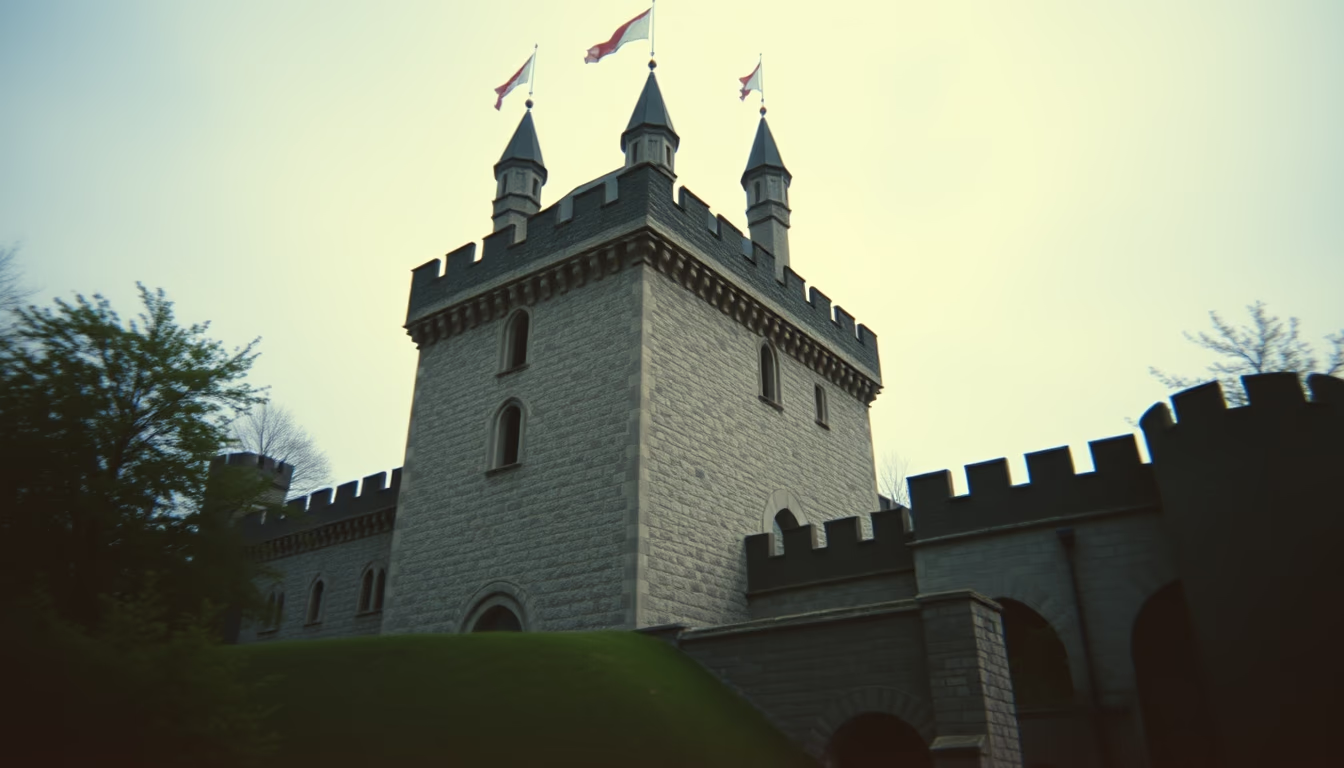
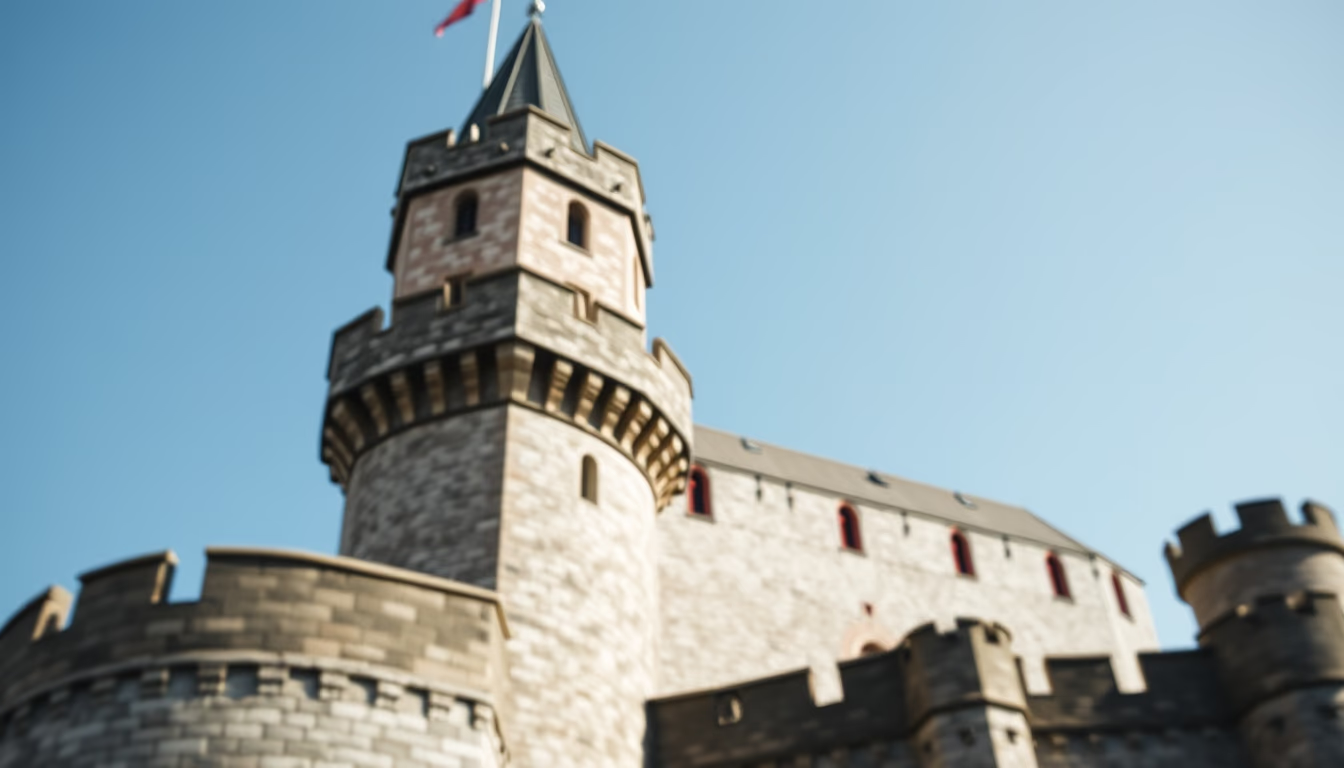
Medieval castle tower, a defensive structure and symbol of power used between the 11th and 16th centuries, found in European fortifications and often associated with the feudal system.
About this subject
Medieval castle towers are iconic architectural elements that combined military function with representation of authority. They emerged in Europe between the 11th and 16th centuries during the feudal period, when local lords built fortifications to protect their lands and exert control over the population. Different types of towers exist, such as the keep (torre de menagem), which served as residence and last refuge, and flanking turrets, which allowed surveillance and enfilading fire along walls. Stone construction, especially granite or limestone, was preferred for its resistance to attacks and fire, while battlements at the top offered protection to archers during battles.
The evolution of towers reflects changes in warfare and medieval society. Initially, square towers were common, but after the 12th century, round towers emerged, which better resisted projectiles and had fewer blind spots. Famous castles, such as the Tower of London (White Tower) and Château de Chambord in France, exemplify this transition. Towers also served as prisons, supply depots, and observation points. In regions like Germany, gate towers controlled the main entrance and often featured drawbridges and portcullises.
Culturally, medieval towers symbolized the power of the feudal lord and the safety of the manor. In Western Europe, the Romanesque style prevailed until the 13th century, with thick walls and narrow windows, while in the Gothic period towers became taller and more ornate, as seen in fortified cathedrals. Interestingly, many towers were repurposed during the Renaissance as noble residences, losing their original military function. Today, they are historical heritage sites attracting millions of tourists annually, especially in France, England, and Germany.
Frequently Asked Questions
What is the difference between a keep and a turret?
The keep was the central, most fortified structure of the castle, used as residence and last refuge. A turret was a smaller tower, often at corners or gates, serving surveillance and flanking defense.
Why were towers built of stone?
Stone offered resistance to fire attacks, battering rams, and projectiles, and was durable. Wooden towers were vulnerable to fire and less secure, so they were replaced from the 11th century onward.
What was the function of battlements on medieval towers?
Battlements are notches on the top of walls that allowed defenders to shoot arrows or drop projectiles while remaining protected. They also supported temporary shields and facilitated water drainage.
Direct URL
https://pub-c7d6a6ea828543ac903a74a341ccb2e1.r2.dev/imagens/castle-tower-medieval-lo-fi-disposable-camera-p0.avifHow to credit
Include a visible link back to UtilizAí. Copy one of the snippets below:
<a href="https://xn--utiliza-eza.com/en/midia/imagens/castle-tower-medieval-lo-fi-disposable-camera-p0">Castle tower medieval</a> by <a href="https://xn--utiliza-eza.com">UtilizAí</a>, licensed under <a href="https://creativecommons.org/licenses/by/4.0/">CC BY 4.0</a>.
[Castle tower medieval](https://xn--utiliza-eza.com/en/midia/imagens/castle-tower-medieval-lo-fi-disposable-camera-p0) by [UtilizAí](https://xn--utiliza-eza.com), CC BY 4.0
License: CC-BY-4.0