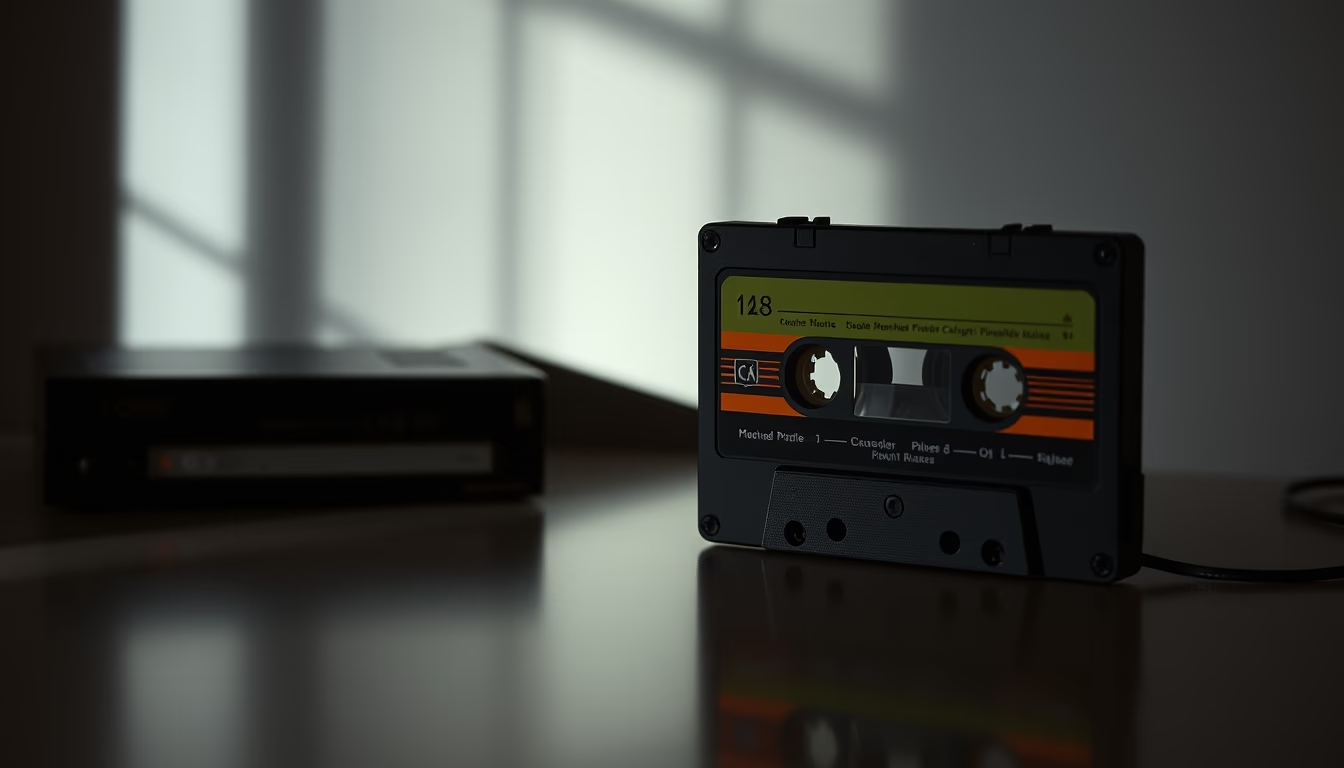
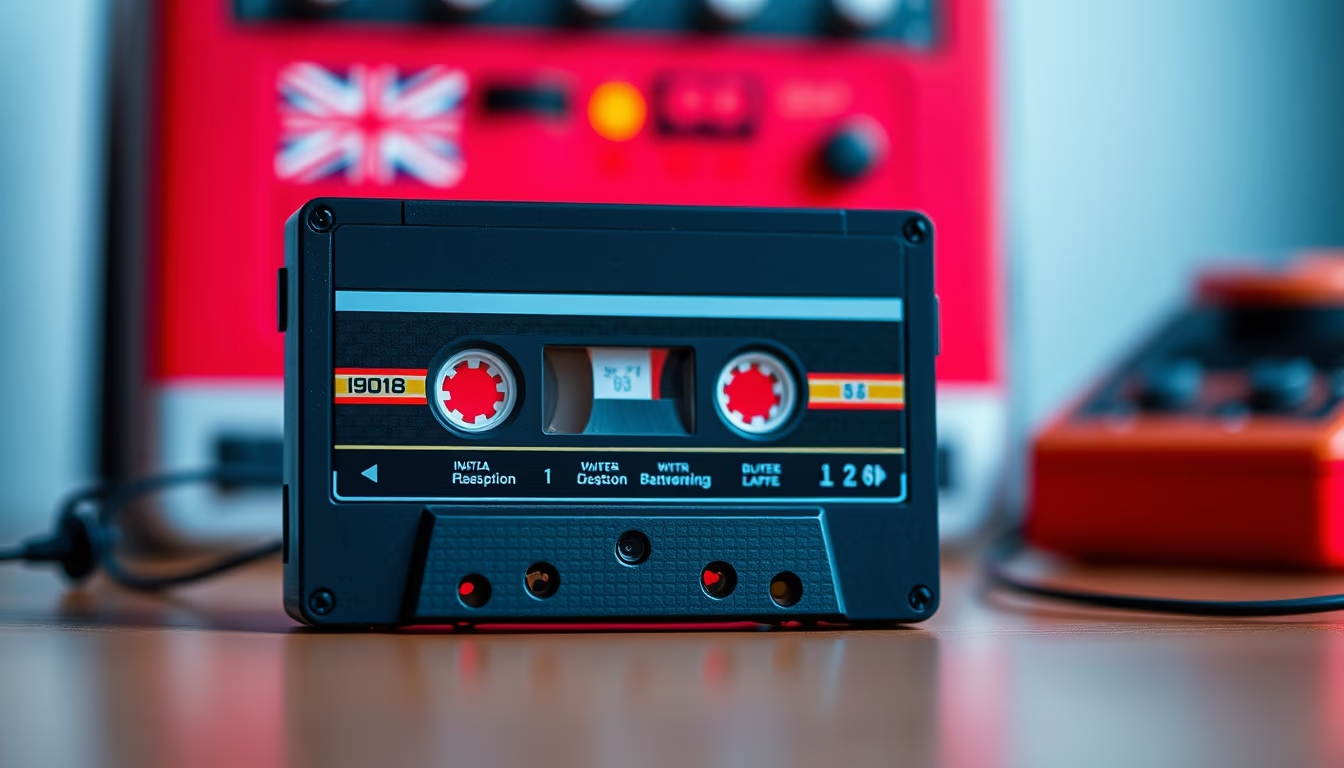
Cassette walkman 1980s
1344×768 · AVIF · CC BY 4.0
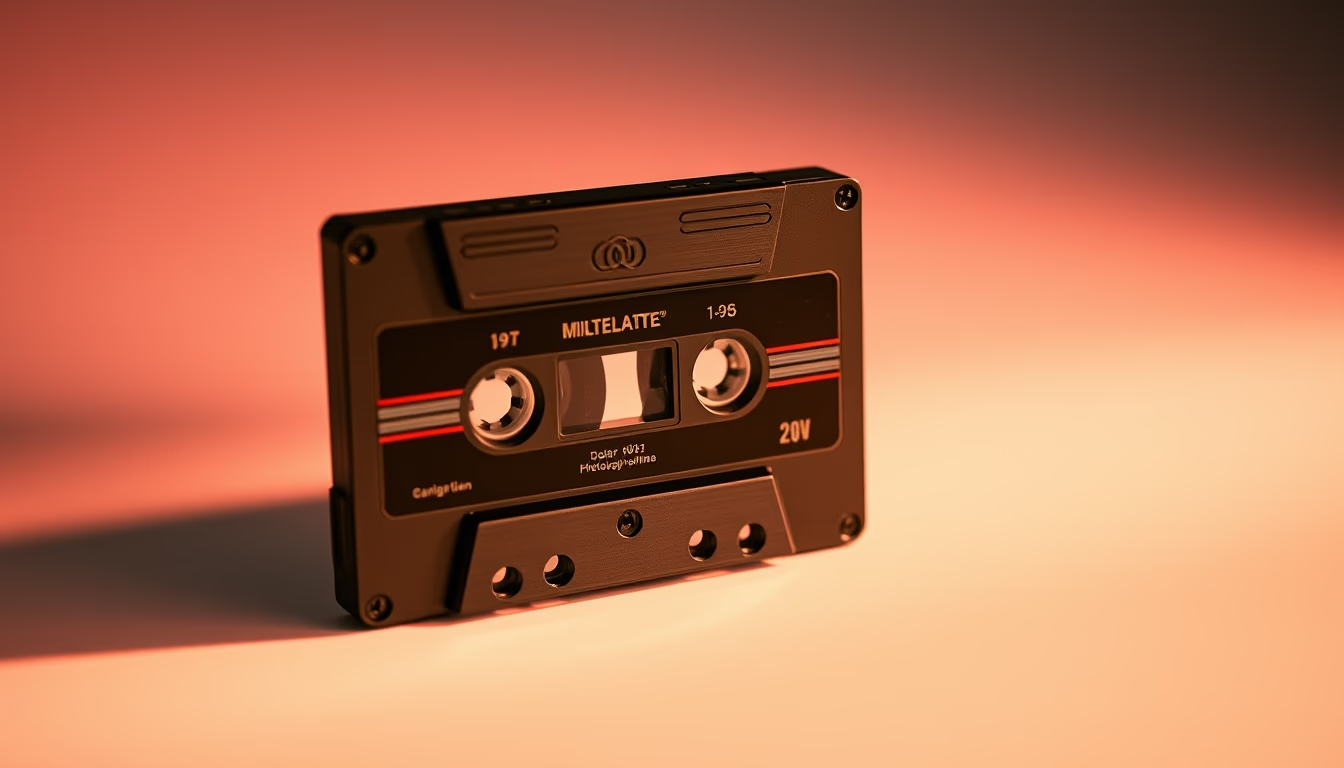
The walkman revolutionized music listening in the 1980s, turning portable audio into a global cultural phenomenon.
About this subject
The walkman was launched by Sony in 1979 in Japan, with the model TPS-L2. Initially called 'Soundabout' in the United States and 'Stowaway' in the United Kingdom, the name 'Walkman' stuck after co-founder Akio Morita insisted. The device allowed people to listen to music on cassette tapes while on the move, a novelty at the time. Its compact design, lightweight headphones, and the ability to personalize one's daily soundtrack transformed music consumption.
The cultural impact was immediate. The walkman became a symbol of individuality and freedom, especially among youth. In the 1980s, it was common to see people jogging, cycling, or commuting with their headphones on. Sony released variations like the Walkman Sport (yellow, water-resistant) in 1984, targeting exercise enthusiasts. The popularity boosted cassette tape sales, which surpassed vinyl records by the mid-1980s.
With the advent of portable CD players (Discman) and later MP3 players, the walkman declined, but its legacy endures. It established the concept of personal, portable music, a precursor to iPods and smartphones. Interestingly, the term 'walkman' is so iconic that it was added to the Oxford Dictionary and is still used generically for any portable audio player, even as technology has evolved.
Frequently Asked Questions
When and by whom was the first walkman launched?
The first walkman was launched by Sony on July 1, 1979, in Japan, with the model TPS-L2. The design was led by engineer Nobutoshi Kihara.
Why was the walkman so important for music culture?
It personalized the music listening experience, allowing people to create their own soundtrack on the go. This changed social habits and influenced fashion, leisure, and even exercise.
What was the most iconic walkman model?
The Sony Walkman TPS-L2 (the first) and the Sony Walkman Sports WM-55 (yellow, water-resistant) are considered the most iconic. The yellow model became a symbol of the 1980s and an active lifestyle.
Direct URL
https://pub-c7d6a6ea828543ac903a74a341ccb2e1.r2.dev/imagens/cassette-walkman-1980s-fine-art-photography-fresh5.avifHow to credit
Include a visible link back to UtilizAí. Copy one of the snippets below:
<a href="https://xn--utiliza-eza.com/en/midia/imagens/cassette-walkman-1980s-fine-art-photography-fresh5">Cassette walkman 1980s</a> by <a href="https://xn--utiliza-eza.com">UtilizAí</a>, licensed under <a href="https://creativecommons.org/licenses/by/4.0/">CC BY 4.0</a>.
[Cassette walkman 1980s](https://xn--utiliza-eza.com/en/midia/imagens/cassette-walkman-1980s-fine-art-photography-fresh5) by [UtilizAí](https://xn--utiliza-eza.com), CC BY 4.0
License: CC-BY-4.0