Cardiology heart monitor
1344×768 · AVIF · CC BY 4.0
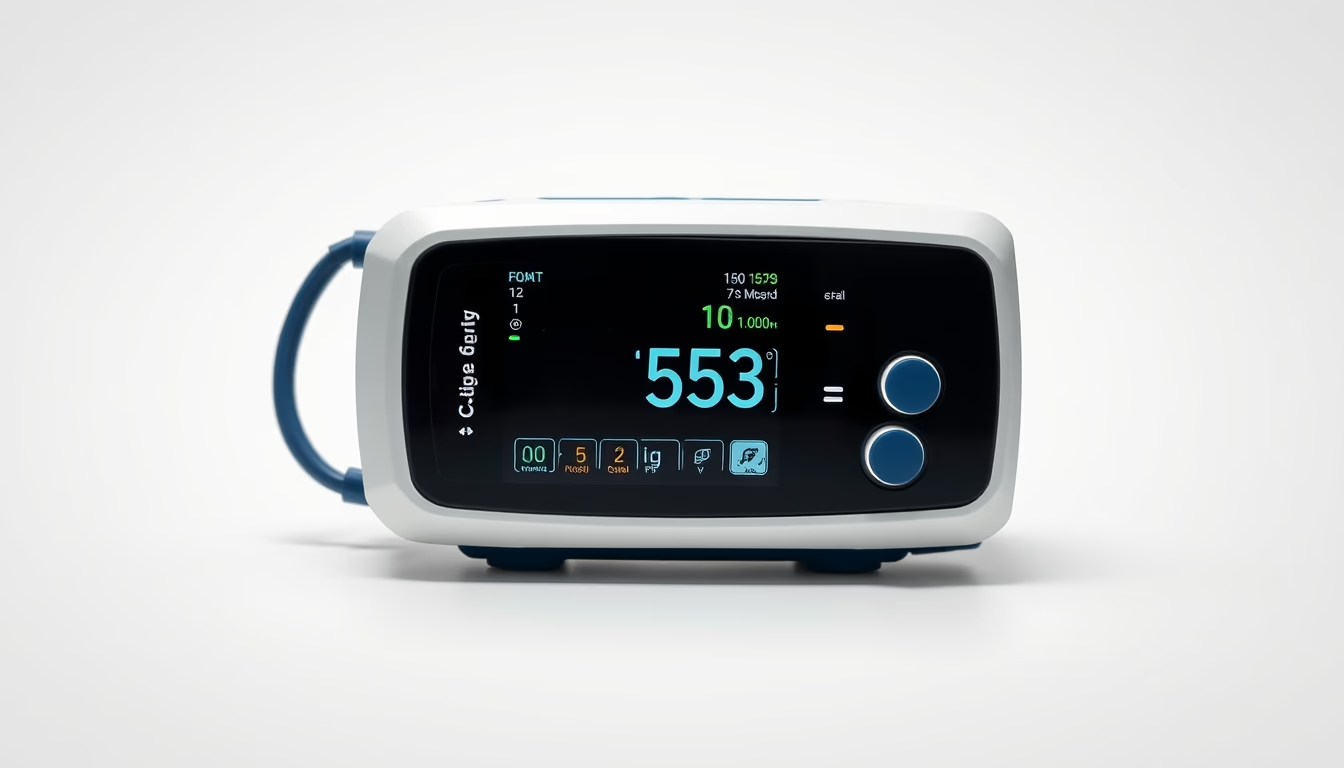
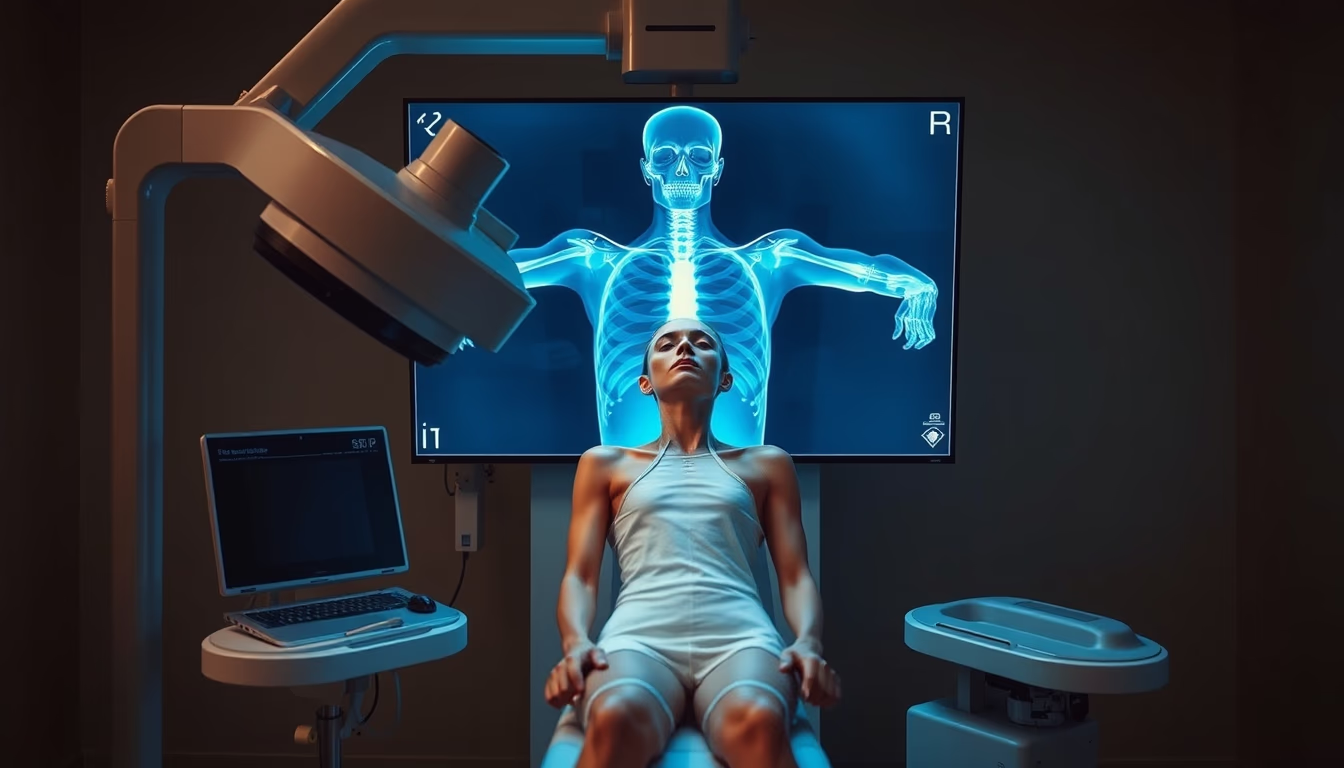
Cardiology heart monitors are essential devices for diagnosing and monitoring arrhythmias and other heart conditions, used in hospitals and telemedicine.
About this subject
Cardiology heart monitors, also known as ECG monitors or Holter devices, record the electrical activity of the heart over time. They are classified into three main types: continuous bedside monitors used in ICUs and operating rooms; portable Holter monitors that record for 24 to 48 hours; and event monitors that are activated by patients when they feel symptoms. Technological advancements have made these devices increasingly compact and connected, with remote data transmission to physicians via the cloud.
The clinical importance of heart monitors lies in detecting silent arrhythmias, such as atrial fibrillation, which can lead to strokes. According to the World Health Organization, cardiovascular diseases are the leading cause of death globally, and continuous monitoring is essential for prevention. In Brazil, the public health system (SUS) offers exams like Holter in public hospitals, but demand still exceeds supply.
Historical curiosities: the first electrocardiogram was recorded by Willem Einthoven in 1903, using a machine that filled an entire room. Today, there are wearable heart monitors, such as smartwatches with ECG approved by ANVISA, allowing patients to track their heart health in real time. Artificial intelligence is also being integrated into these monitors to detect abnormal patterns early, reducing false alarms and increasing diagnostic accuracy.
Frequently Asked Questions
What is the difference between a Holter monitor and an event monitor?
A Holter monitor continuously records heart activity for 24 to 48 hours, ideal for frequent arrhythmias. An event monitor is manually activated by the patient when they feel symptoms, recording for shorter periods, useful for sporadic symptoms.
Is the Holter test covered by Brazil's public health system (SUS)?
Yes, Holter is included in the SUS procedure table, but availability varies by region. There are often waiting lists, and a medical referral is required.
Can smartwatch heart monitors replace doctors?
No. Smartwatches with ECG are screening tools, not replacements for medical evaluation. They can help with early detection, but any changes should be confirmed by clinical exams.
Direct URL
https://pub-c7d6a6ea828543ac903a74a341ccb2e1.r2.dev/imagens/cardiology-heart-monitor-commercial-product-photography-p5.avifHow to credit
Include a visible link back to UtilizAí. Copy one of the snippets below:
<a href="https://xn--utiliza-eza.com/en/midia/imagens/cardiology-heart-monitor-commercial-product-photography-p5">Cardiology heart monitor</a> by <a href="https://xn--utiliza-eza.com">UtilizAí</a>, licensed under <a href="https://creativecommons.org/licenses/by/4.0/">CC BY 4.0</a>.
[Cardiology heart monitor](https://xn--utiliza-eza.com/en/midia/imagens/cardiology-heart-monitor-commercial-product-photography-p5) by [UtilizAí](https://xn--utiliza-eza.com), CC BY 4.0
License: CC-BY-4.0