Cardiology heart monitor
1344×768 · AVIF · CC BY 4.0
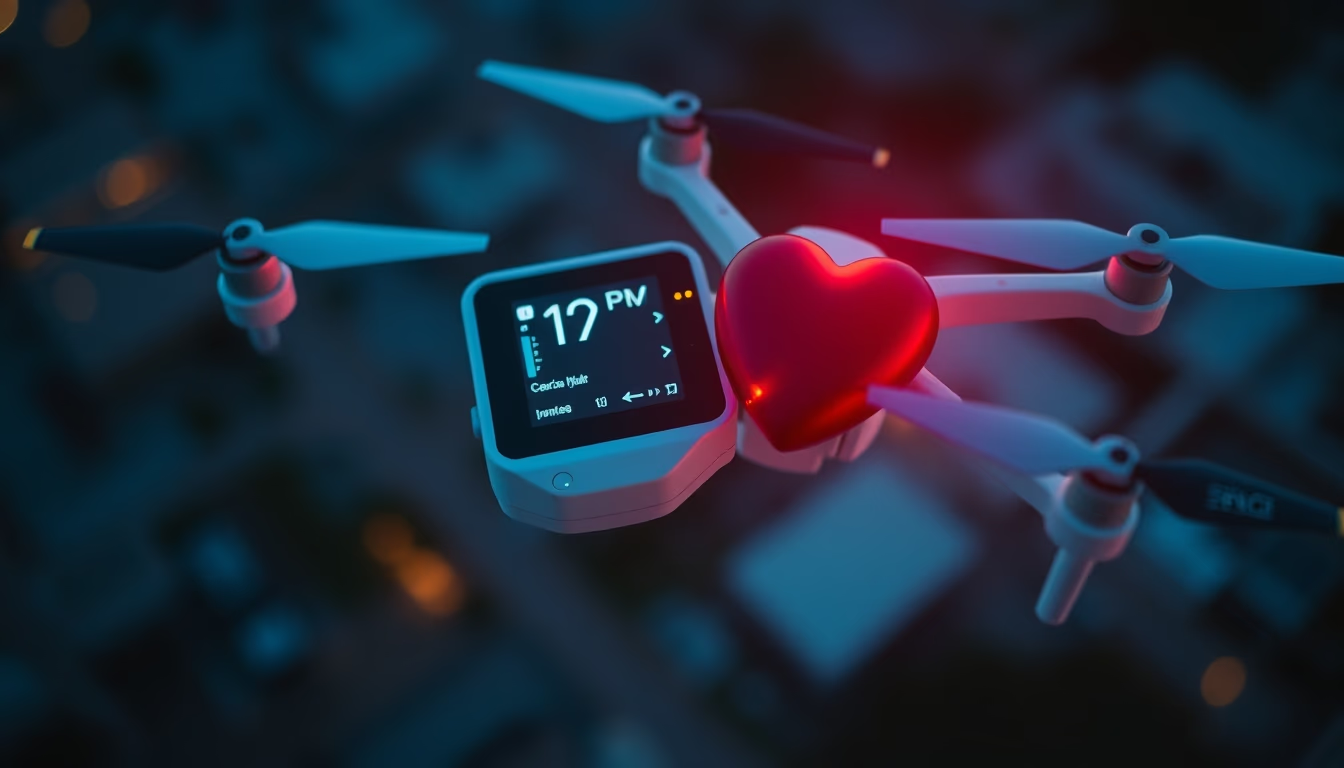
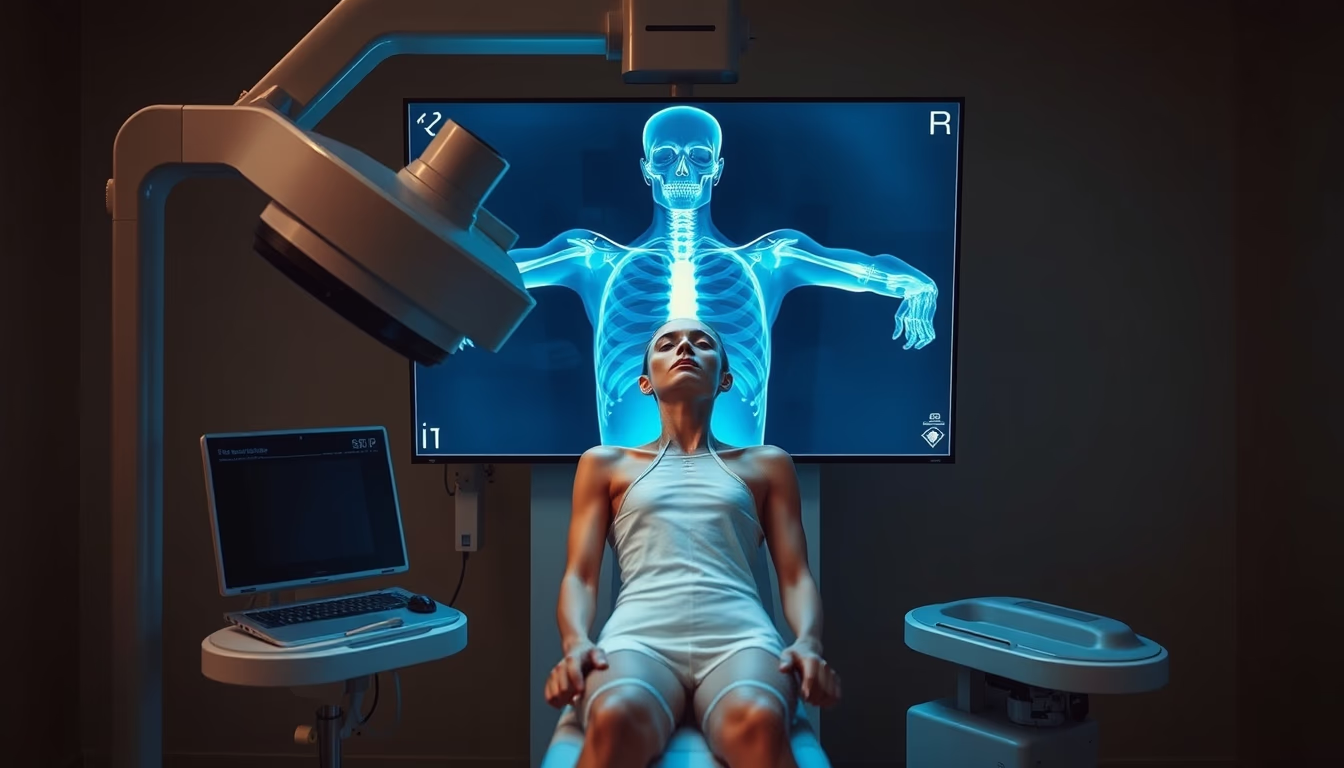
Cardiac monitors are essential devices in cardiology for continuously recording the heart's electrical activity, aiding in the diagnosis of arrhythmias and other conditions.
About this subject
Cardiac monitors, also known as Holter monitors or cardiac telemetry, are fundamental instruments in clinical cardiology practice. They continuously record the electrocardiogram (ECG) for periods ranging from 24 hours to several weeks, allowing detection of heart rhythm abnormalities that may be intermittent or asymptomatic. This technology is especially useful for patients with suspected arrhythmias, such as atrial fibrillation, tachycardias, or bradycardias, which may not be captured in a traditional resting ECG.
Various types of monitors exist, from portable devices worn by patients during daily activities to hospital telemetry systems that transmit data in real time to monitoring centers. Modern monitors are compact, lightweight, and can store days of recordings, with some models already incorporating artificial intelligence to automatically identify abnormal patterns. Cardiology has advanced significantly with these devices, reducing the need for prolonged hospitalizations and allowing patients to maintain their routine activities during monitoring.
Historically, the first Holter monitor was developed in the 1940s by biophysicist Norman Holter. Since then, miniaturization and digitization have transformed the equipment: today, adhesive sensors and even medically certified smartwatches perform similar functions. In Brazil, the Unified Health System (SUS) offers Holter monitoring as part of cardiology procedures, essential for monitoring patients with heart conditions. Data interpretation requires medical expertise, and reports are generated by cardiologists specialized in electrophysiology.
Interestingly, cardiac monitors are also used in clinical research to evaluate the impact of medications on heart rhythm and in population epidemiology studies. The popularization of wearable devices such as the Apple Watch and Fitbit has brought the technology closer to the general public, but professional cardiac monitoring remains the gold standard for accurate diagnoses. Their presence in intensive care units and surgical centers is indispensable for continuous surveillance of critically ill patients.
Frequently Asked Questions
What does a cardiology heart monitor measure?
It measures the electrical activity of the heart via electrodes, continuously recording the electrocardiogram (ECG). It identifies normal and abnormal heartbeats, such as arrhythmias, pauses, and rate variations.
How long can I wear a Holter monitor?
The duration varies depending on clinical purpose. The most common is 24 or 48 hours, but monitors for 7, 14, or even 30 days exist to capture rare events. The doctor determines the ideal period.
What is the difference between a standard ECG and a continuous monitor?
A standard ECG captures only about 10 seconds of heart activity, while a continuous monitor records hours or days. This allows detection of intermittent arrhythmias that might be missed in a brief test.
Direct URL
https://pub-c7d6a6ea828543ac903a74a341ccb2e1.r2.dev/imagens/cardiology-heart-monitor-aerial-drone-shot-p0.avifHow to credit
Include a visible link back to UtilizAí. Copy one of the snippets below:
<a href="https://xn--utiliza-eza.com/en/midia/imagens/cardiology-heart-monitor-aerial-drone-shot-p0">Cardiology heart monitor</a> by <a href="https://xn--utiliza-eza.com">UtilizAí</a>, licensed under <a href="https://creativecommons.org/licenses/by/4.0/">CC BY 4.0</a>.
[Cardiology heart monitor](https://xn--utiliza-eza.com/en/midia/imagens/cardiology-heart-monitor-aerial-drone-shot-p0) by [UtilizAí](https://xn--utiliza-eza.com), CC BY 4.0
License: CC-BY-4.0