Capsule hotel japan
1344×768 · AVIF · CC BY 4.0
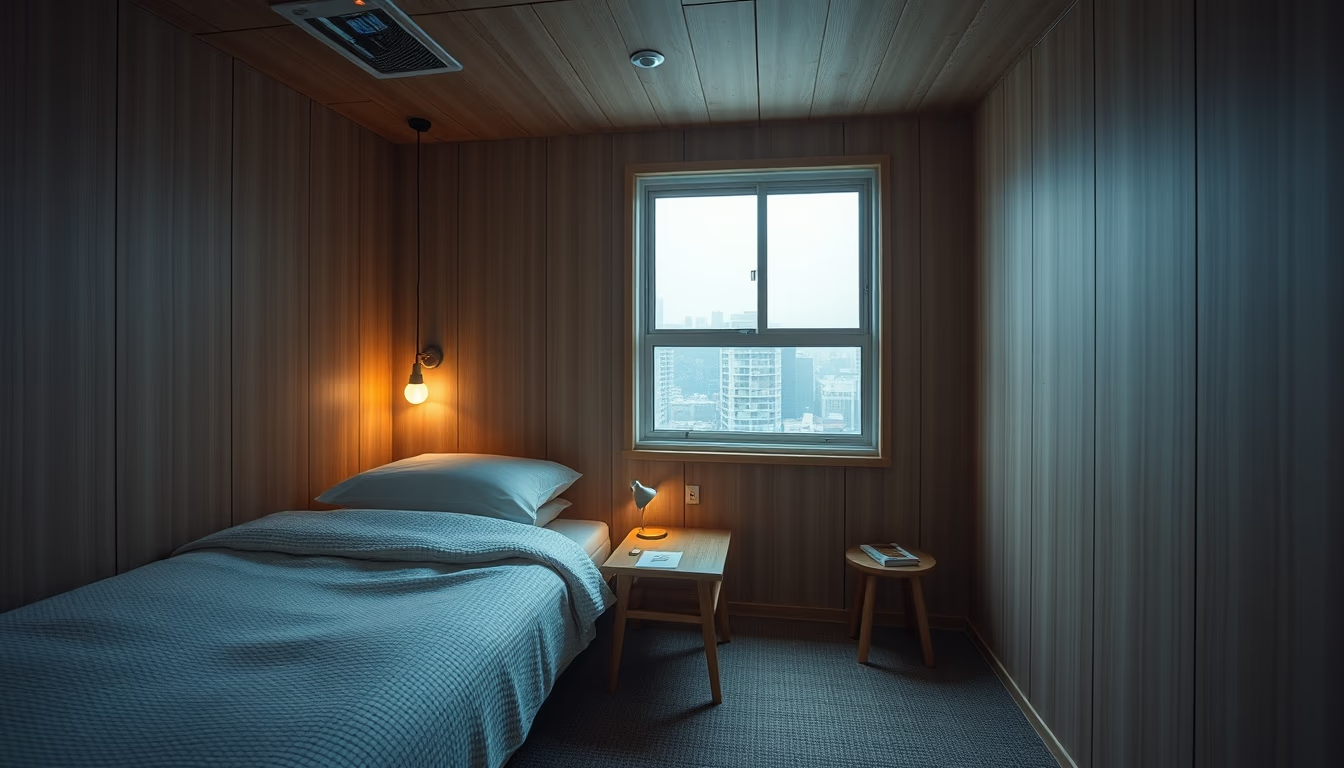
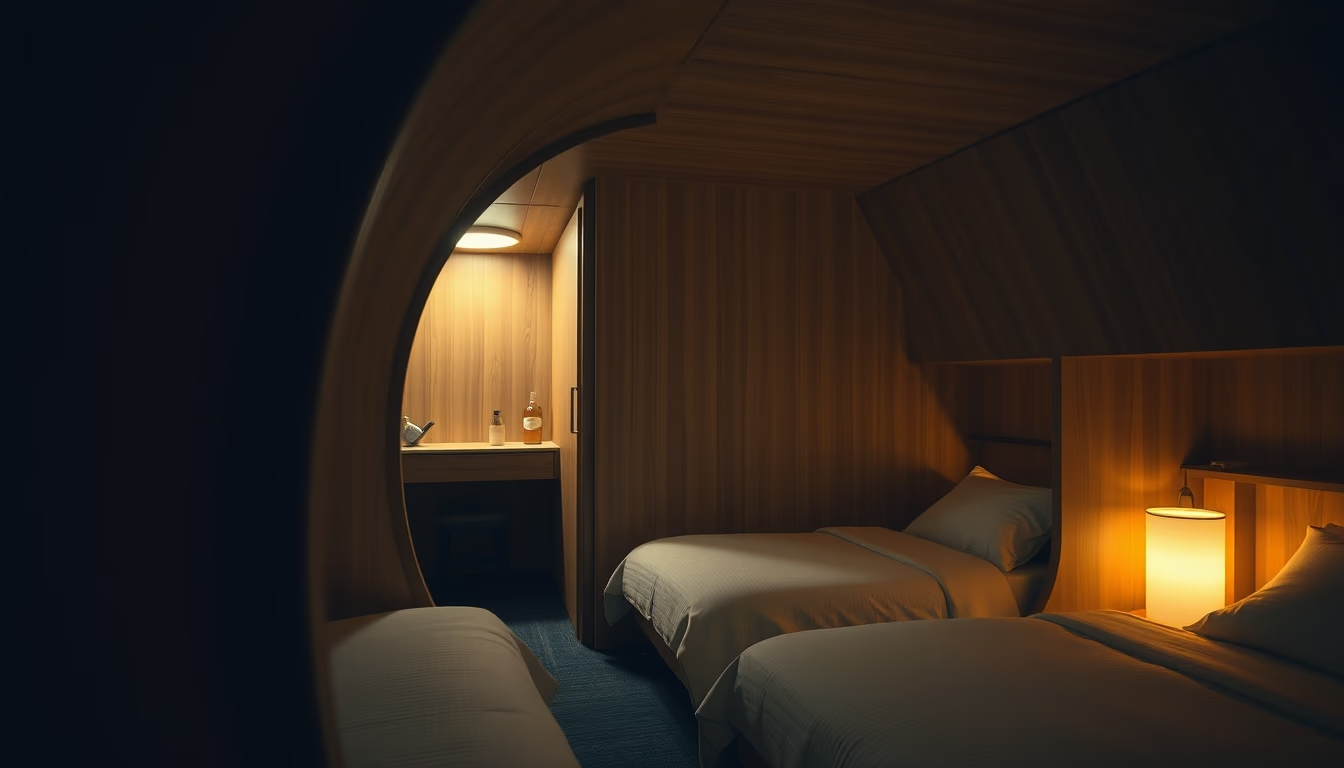
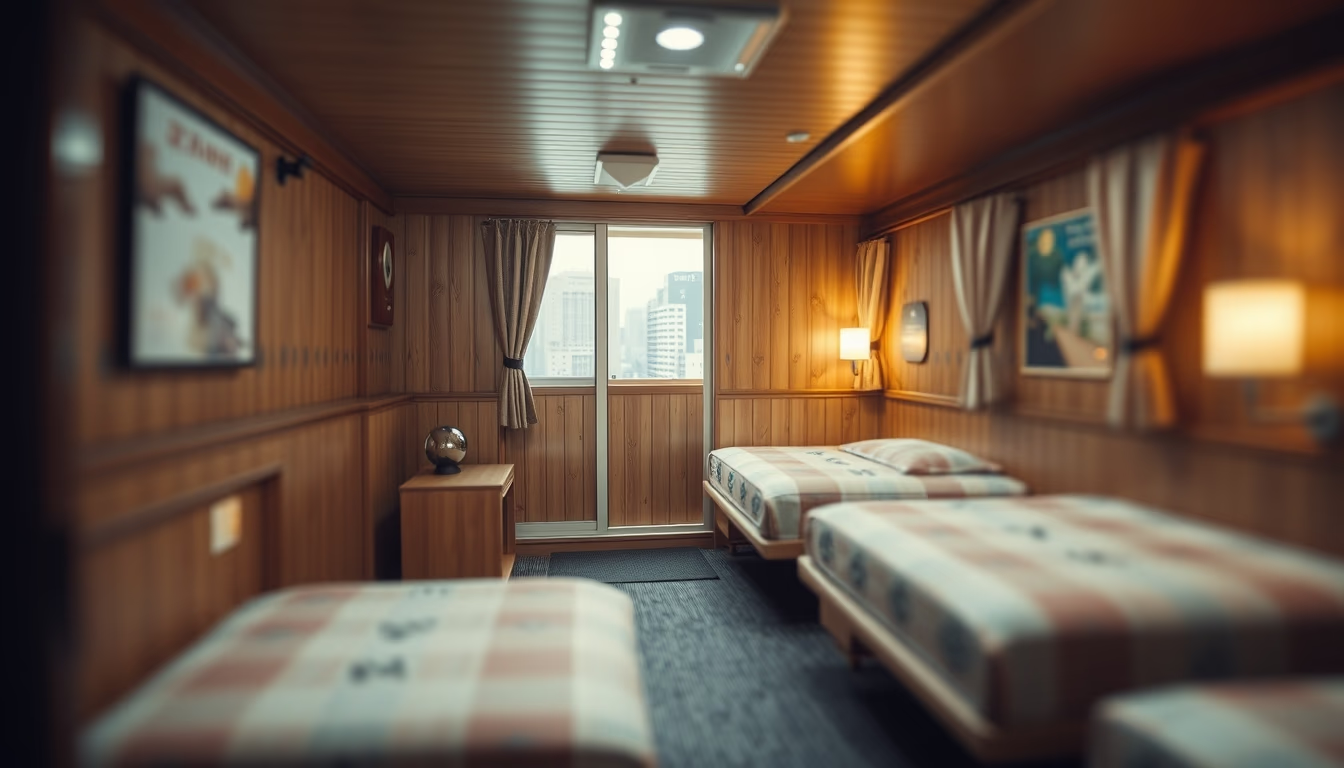
Japan's capsule hotels: a compact and efficient accommodation solution for urban travelers, featuring minimalist design and Japanese technology.
About this subject
Capsule hotels, a Japanese innovation born in the 1970s, were designed to offer low-cost, space-efficient accommodation. The first, 'Capsule Inn,' opened in Osaka in 1979. Since then, they have spread across Tokyo, Kyoto, and other cities, targeting corporate workers who missed the last train and budget-conscious travelers. Each capsule, typically made of fiberglass or plastic, measures about 1 meter wide, 2 meters long, and 1.25 meters high, equipped with a mattress, pillow, lighting, ventilation, and in modern versions, power outlets and Wi-Fi. Bathrooms and common areas are shared, preserving individual privacy.
The concept reflects Japanese culture of space optimization and respect for others. Capsules are arranged in rows, often stacked two high, with curtains or louvered doors for partial visual and acoustic isolation. The architecture is functional and minimalist, prioritizing resource efficiency. While associated with budget travel, modern capsule hotels have evolved to include amenities like lounges, saunas, and even themed capsules with futuristic designs. Some establishments, like '9h(nine hours)' in Kyoto, combine sleek design with efficiency, offering automated check-in and laundry services.
From a technical standpoint, capsule engineering includes soundproofing and individual climate control systems to ensure thermal comfort and noise reduction. Ventilation is managed through ducts that renew air without compromising space. Adjustable LED lighting allows guests to create personalized environments. These details make capsule hotels an example of user-centered design in densely populated areas. Safety is also prioritized: most have lockable lockers for personal items and capsule doors that open only from the inside or with a magnetic card.
Interesting facts: Japan has over 100 capsule hotels, concentrated in central areas like Shinjuku and Shibuya. The world's shortest capsule, at 1.2 meters high, is in a Tokyo hotel. They have inspired variations abroad, such as 'pod hotels' in China and 'cabins' in Europe. Originally male-oriented, there are now women-only establishments and gender-separated floors. The concept gained international attention during the pandemic, when some were adapted for quarantine or remote offices, showcasing the versatility of the idea.
Frequently Asked Questions
What was the first capsule hotel in Japan?
The first capsule hotel was the Capsule Inn, opened in Osaka in 1979, designed by architect Kisho Kurokawa.
Are capsule hotels only for men?
No, today there are women-only capsule hotels and gender-separated floors, as well as mixed options with specific rules.
How much does a night in a capsule hotel in Japan cost?
Prices range from 2,000 to 5,000 yen (about $15 to $40 USD), depending on location and amenities.
Direct URL
https://pub-c7d6a6ea828543ac903a74a341ccb2e1.r2.dev/imagens/capsule-hotel-japan-studio-still-life-fresh12.avifHow to credit
Include a visible link back to UtilizAí. Copy one of the snippets below:
<a href="https://xn--utiliza-eza.com/en/midia/imagens/capsule-hotel-japan-studio-still-life-fresh12">Capsule hotel japan</a> by <a href="https://xn--utiliza-eza.com">UtilizAí</a>, licensed under <a href="https://creativecommons.org/licenses/by/4.0/">CC BY 4.0</a>.
[Capsule hotel japan](https://xn--utiliza-eza.com/en/midia/imagens/capsule-hotel-japan-studio-still-life-fresh12) by [UtilizAí](https://xn--utiliza-eza.com), CC BY 4.0
License: CC-BY-4.0