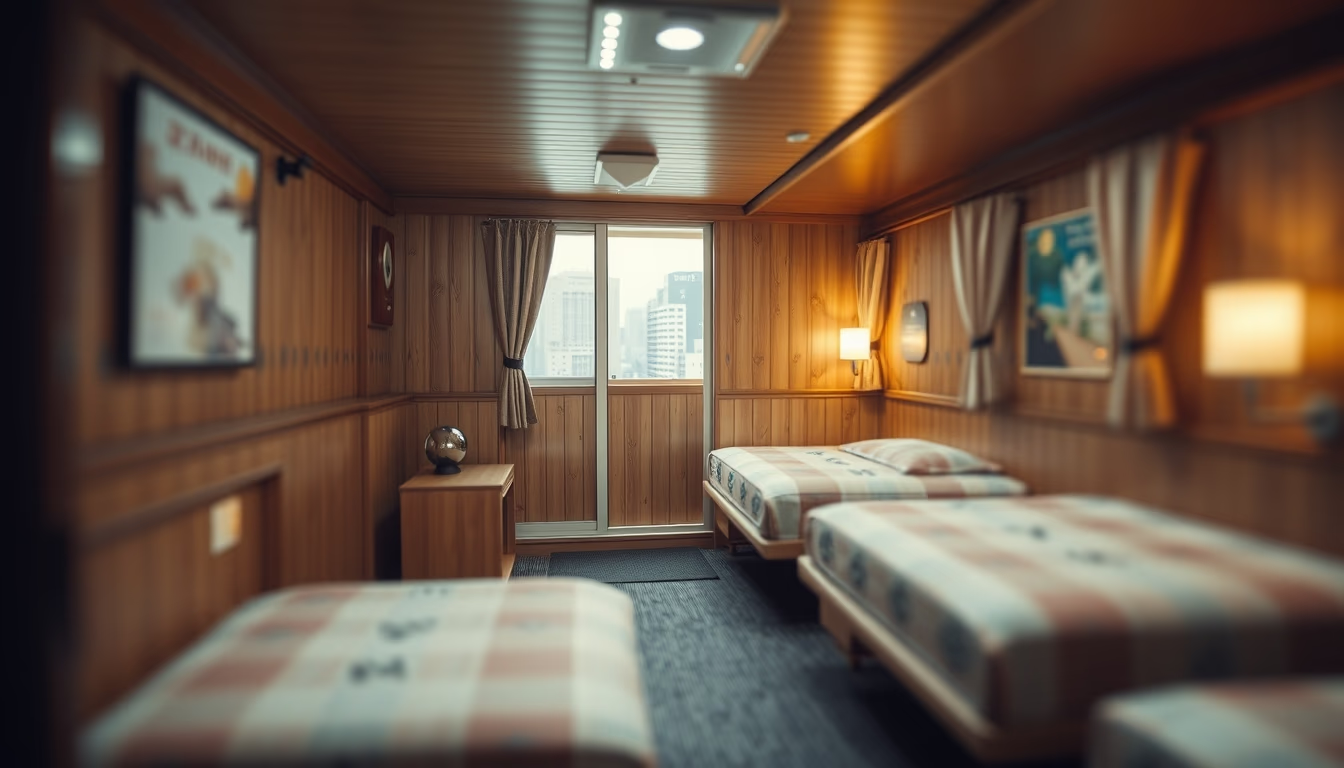
Capsule hotel japan
1344×768 · AVIF · CC BY 4.0
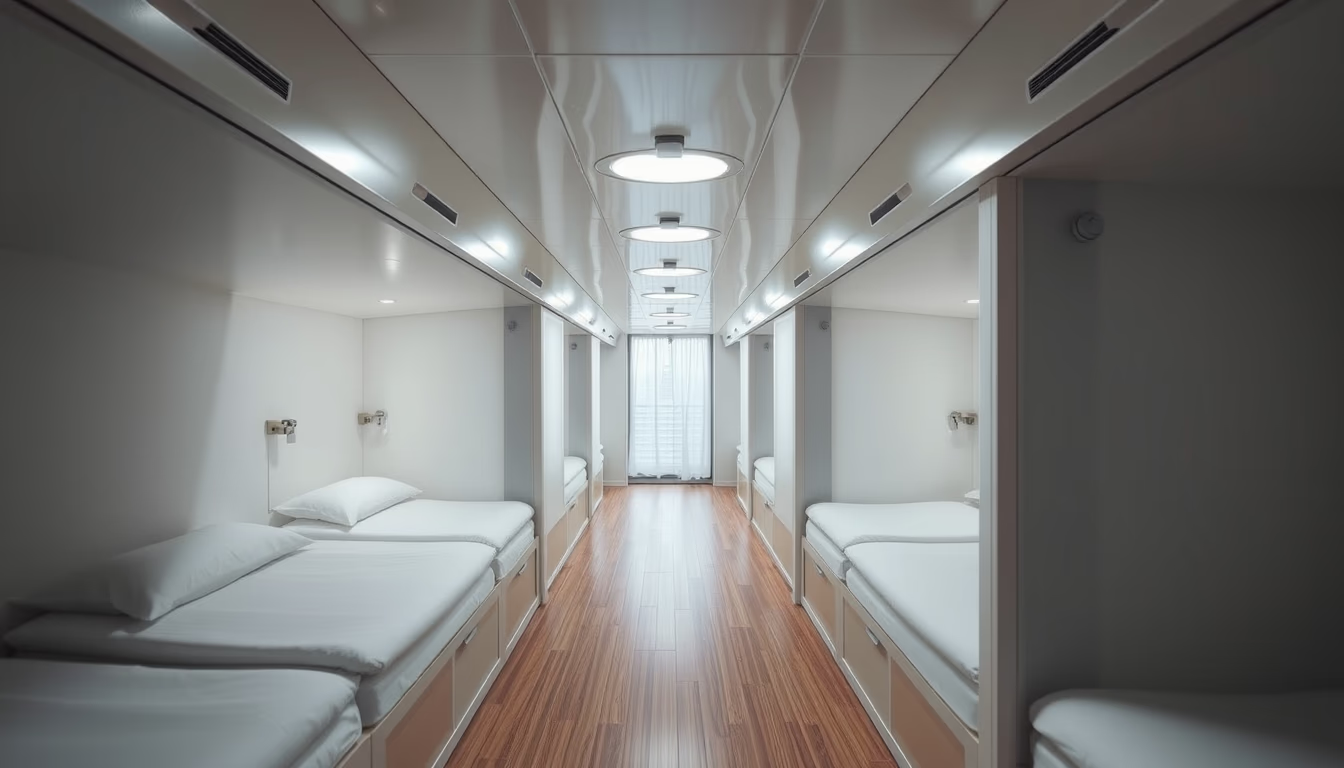
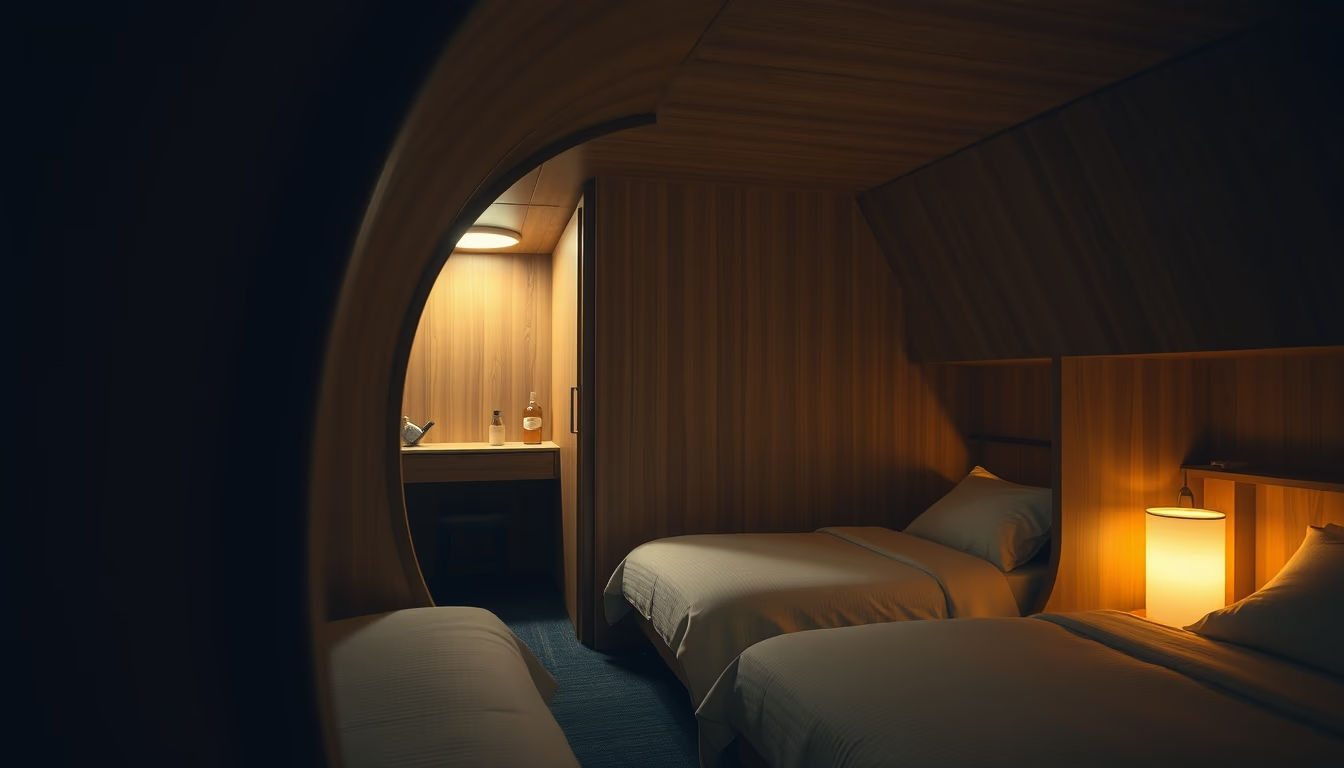
Capsule hotels in Japan provide compact and efficient accommodations, blending innovative design with practicality in urban centers.
About this subject
Capsule hotels originated in Japan in the 1970s as a solution for travelers needing cheap, functional lodging in densely populated metropolitan areas. The first was the Capsule Inn Osaka, opened in 1979, designed by architect Kisho Kurokawa, a leading figure of the Japanese Metabolist movement. Each capsule measures about 2 meters long, 1 meter wide, and 1.25 meters high, providing enough space for a mattress, pillow, lighting, ventilation, and a small TV. The concept reflects Japanese culture of space optimization and the need for affordable accommodations near train stations and business districts.
Initially aimed at businessmen who missed the last train, capsule hotels have evolved to serve tourists worldwide. Modern units include technology such as electronic locks, USB ports, Wi-Fi, and even spa or shared lounge services. Privacy is ensured by curtains or doors, while bathrooms and lockers are communal, following the tradition of ryokans and sentōs. Cities like Tokyo, Osaka, and Kyoto concentrate most of these establishments, with themed variations ranging from futuristic designs to those inspired by temples.
The global popularity of capsule hotels has inspired adaptations in other countries, but the Japanese model remains iconic for its balance between minimalism and functionality. They exemplify Japan's ability to create innovative solutions for urban challenges, such as space constraints and high mobility demand. Some establishments offer double capsules or suites, broadening the target audience. The experience of staying in a capsule hotel is often described as safe, clean, and efficient, representing an immersion into modern Japanese life.
Culturally, capsule hotels also engage with practices of shared spaces, like hostel dormitories, but with a higher degree of individual privacy. The architecture of the units, often stacked like modules, echoes the modularity and industrial aesthetics that characterize contemporary Japanese design. For budget-conscious travelers or those seeking a unique experience, capsule hotels remain a relevant option, contributing to accessible tourism in Japan.
Frequently Asked Questions
What was the first capsule hotel in Japan?
The first was Capsule Inn Osaka, opened in 1979, designed by architect Kisho Kurokawa.
How much does a night in a capsule hotel in Japan cost on average?
Prices range from 2,500 to 5,000 yen (approximately 20 to 40 USD), depending on location and amenities.
Are capsule hotels safe for foreign tourists?
Yes, they are considered safe, with electronic locking systems and monitored common areas. Many provide instructions in English.
Direct URL
https://pub-c7d6a6ea828543ac903a74a341ccb2e1.r2.dev/imagens/capsule-hotel-japan-architectural-photography-fresh9.avifHow to credit
Include a visible link back to UtilizAí. Copy one of the snippets below:
<a href="https://xn--utiliza-eza.com/en/midia/imagens/capsule-hotel-japan-architectural-photography-fresh9">Capsule hotel japan</a> by <a href="https://xn--utiliza-eza.com">UtilizAí</a>, licensed under <a href="https://creativecommons.org/licenses/by/4.0/">CC BY 4.0</a>.
[Capsule hotel japan](https://xn--utiliza-eza.com/en/midia/imagens/capsule-hotel-japan-architectural-photography-fresh9) by [UtilizAí](https://xn--utiliza-eza.com), CC BY 4.0
License: CC-BY-4.0