Capacitor electrolytic blown
1344×768 · AVIF · CC BY 4.0
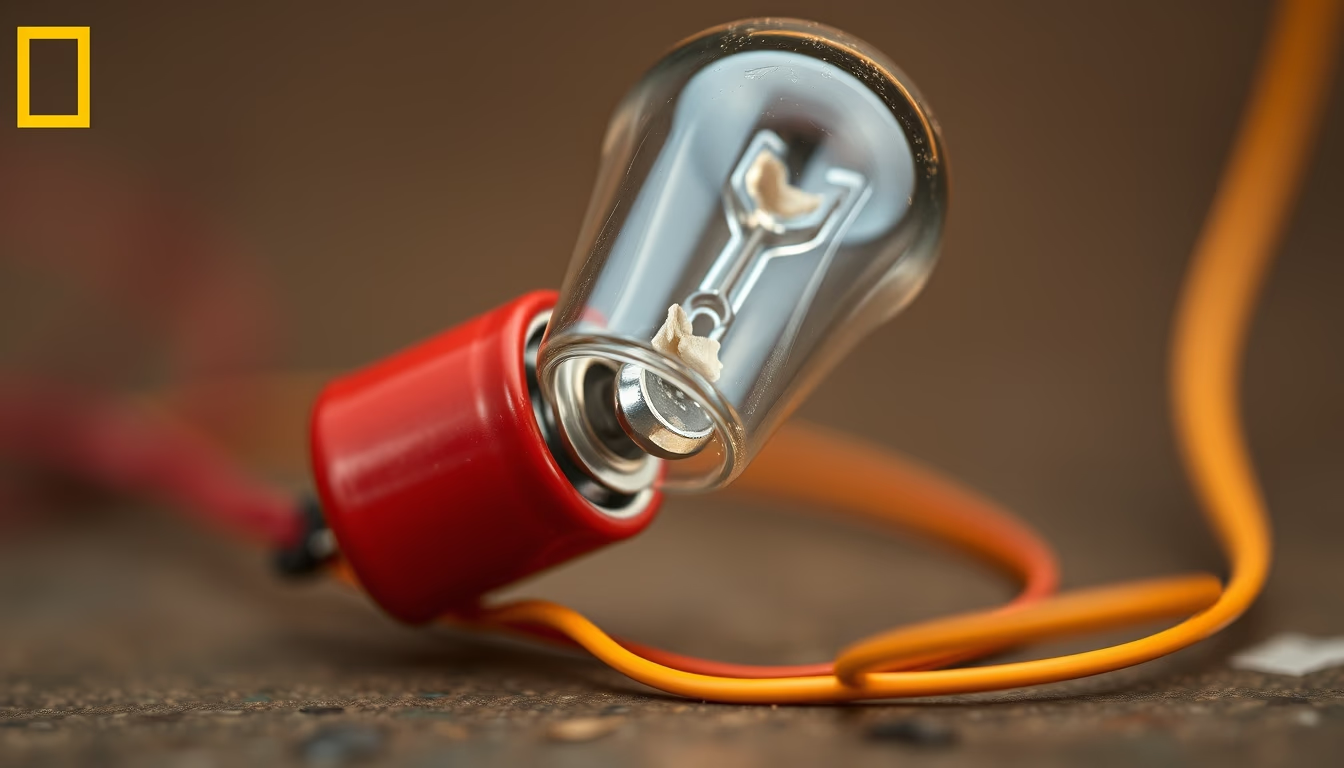
Electrolytic capacitors bulge or burst due to overvoltage, aging, or heat, compromising power supplies and electronic circuit boards.
About this subject
An electrolytic capacitor is an electronic component that stores electrical energy in an electrostatic field, using a metal oxide dielectric and a liquid or gel electrolyte. It is widely used in power supplies, inverters, and audio equipment to smooth output voltage and filter noise. Its capacitance can range from microfarads to farads, with typical voltage ratings between 6.3 V and 450 V.
Failure of an electrolytic capacitor, known as 'blown', occurs when internal pressure builds up due to gas formation. This happens due to reasons such as reverse or excessive voltage, ripple current exceeding the limit, natural aging (lifespan of 1,000 to 5,000 hours at 105 °C), or high ambient temperatures. The aluminum casing has a pressure relief vent that ruptures to prevent full explosion, releasing electrolyte and causing leakage.
Visible signs of a bulged or burst capacitor include a domed top (convex shape), expanded base, or corrosion marks and brown residue on the PCB. In many cases, the failure is silent and only detected when the equipment stops working. Defective capacitors can cause malfunction of switch-mode power supplies, oscillations in audio circuits, and permanent damage to nearby components.
Replacing blown capacitors is a common repair in motherboards, computer power supplies, and vintage audio gear. It is recommended to use parts with the same capacitance and voltage rating, preferably choosing high-temperature and low-impedance series for longer life. Careful soldering and polarity verification are essential to avoid recurrence.
Frequently Asked Questions
How can I identify a blown electrolytic capacitor?
Look for bulging at the top (convex or cross-shaped), brown or yellowish electrolyte leakage, corrosion on leads, or a burnt smell. In some cases, the pressure relief vent may be open or the casing ruptured.
What are the main causes of electrolytic capacitor failure?
Common causes include excessive voltage or ripple current, high operating temperatures, natural aging, reverse polarity, and poor component quality. Poorly designed power supplies also accelerate degradation.
Is it safe to replace a blown capacitor at home?
Yes, provided the equipment is unplugged and large capacitors are discharged with a resistor to prevent electric shock. Use a proper soldering iron and replace with components of equal or higher specifications.
Direct URL
https://pub-c7d6a6ea828543ac903a74a341ccb2e1.r2.dev/imagens/capacitor-electrolytic-blown-national-geographic-style-p4.avifHow to credit
Include a visible link back to UtilizAí. Copy one of the snippets below:
<a href="https://xn--utiliza-eza.com/en/midia/imagens/capacitor-electrolytic-blown-national-geographic-style-p4">Capacitor electrolytic blown</a> by <a href="https://xn--utiliza-eza.com">UtilizAí</a>, licensed under <a href="https://creativecommons.org/licenses/by/4.0/">CC BY 4.0</a>.
[Capacitor electrolytic blown](https://xn--utiliza-eza.com/en/midia/imagens/capacitor-electrolytic-blown-national-geographic-style-p4) by [UtilizAí](https://xn--utiliza-eza.com), CC BY 4.0
License: CC-BY-4.0