Capacitor electrolytic blown
1344×768 · AVIF · CC BY 4.0
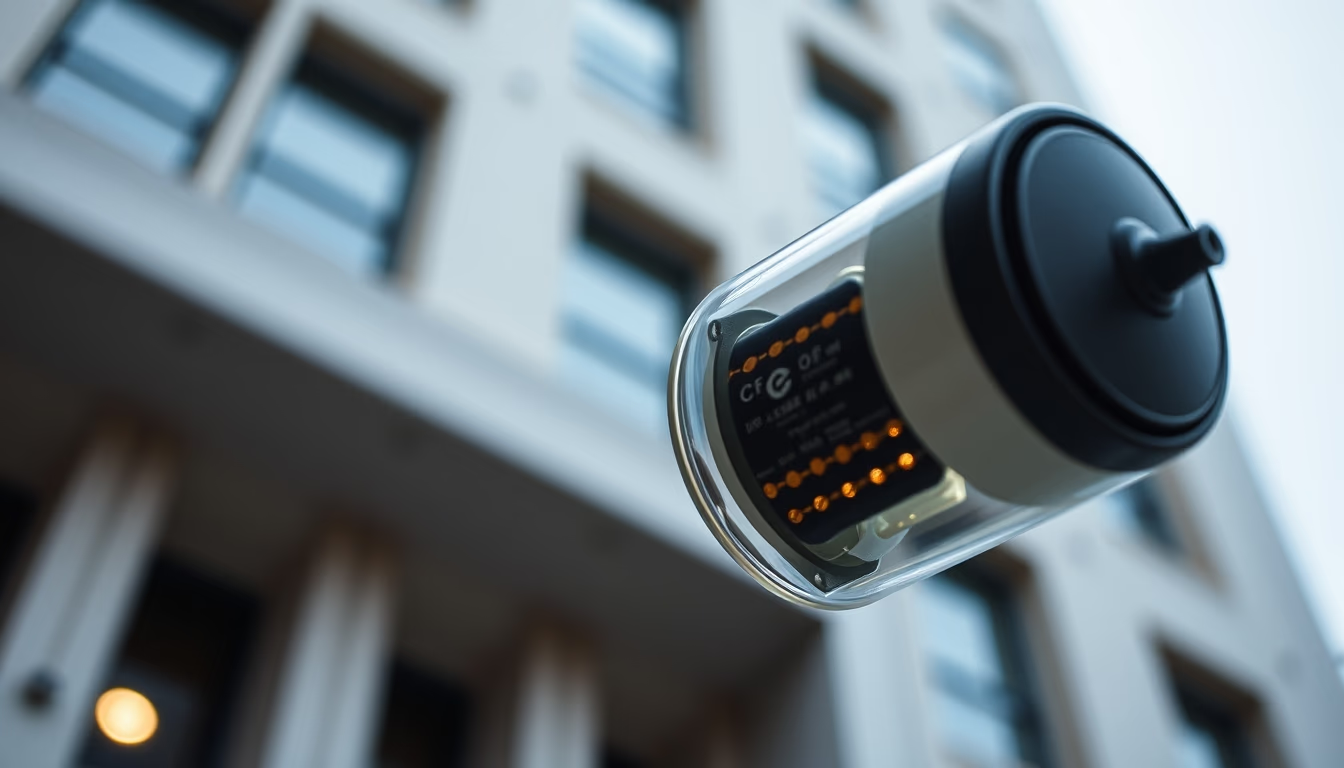
Blown electrolytic capacitor: common causes, risks, and how to identify failure signs in electronic components.
About this subject
Electrolytic capacitors are widely used in power supplies and electronic circuits for smoothing voltages and filtering noise. They contain a liquid or gel dielectric that degrades over time, especially under thermal or electrical stress. A typical failure involves bulging or rupture of the pressure relief vent, releasing electrolyte and producing a characteristic odor.
Common causes include reverse voltage application, overvoltage beyond rated limits, natural aging with electrolyte drying, and high operating temperatures. Switching power supplies in monitors, computers, and audio equipment are frequent locations for blown capacitors. Failure can lead to malfunction, excessive output ripple, and permanent damage to other components.
Visual inspection is key: the top may show bulging along the scored lines, or the vent may have opened. In advanced cases, there is leakage of brownish or dried substance. Multimeter capacitance measurements show values far below nominal. In powered circuits, a blown capacitor can cause a short circuit, tripping fuses or protection circuits.
Replacement must use a capacitor with the same capacitance, equal or higher voltage rating, and low equivalent series resistance (ESR). Low-quality or counterfeit components are prone to early failure. Reliable brands such as Nichicon, Rubycon, and Panasonic are preferred for repairs.
Frequently Asked Questions
What causes an electrolytic capacitor to blow?
Causes include reverse voltage, overvoltage, high temperature, natural aging, and low-quality components. Dielectric degradation produces gas, rupturing the pressure vent.
What are signs of a blown electrolytic capacitor?
Visually, the top bulges or opens, with possible electrolyte leakage. Capacitance measurement shows much lower than rated value. In operation, the circuit may malfunction or generate ripple.
How to properly replace a blown electrolytic capacitor?
Use a capacitor with identical capacitance, equal or higher voltage rating, and low ESR. Choose reputable brands like Nichicon, Rubycon, or Panasonic. Observe polarity during soldering.
Direct URL
https://pub-c7d6a6ea828543ac903a74a341ccb2e1.r2.dev/imagens/capacitor-electrolytic-blown-architectural-photography-p6.avifHow to credit
Include a visible link back to UtilizAí. Copy one of the snippets below:
<a href="https://xn--utiliza-eza.com/en/midia/imagens/capacitor-electrolytic-blown-architectural-photography-p6">Capacitor electrolytic blown</a> by <a href="https://xn--utiliza-eza.com">UtilizAí</a>, licensed under <a href="https://creativecommons.org/licenses/by/4.0/">CC BY 4.0</a>.
[Capacitor electrolytic blown](https://xn--utiliza-eza.com/en/midia/imagens/capacitor-electrolytic-blown-architectural-photography-p6) by [UtilizAí](https://xn--utiliza-eza.com), CC BY 4.0
License: CC-BY-4.0