Candle pouring hot wax
1344×768 · AVIF · CC BY 4.0
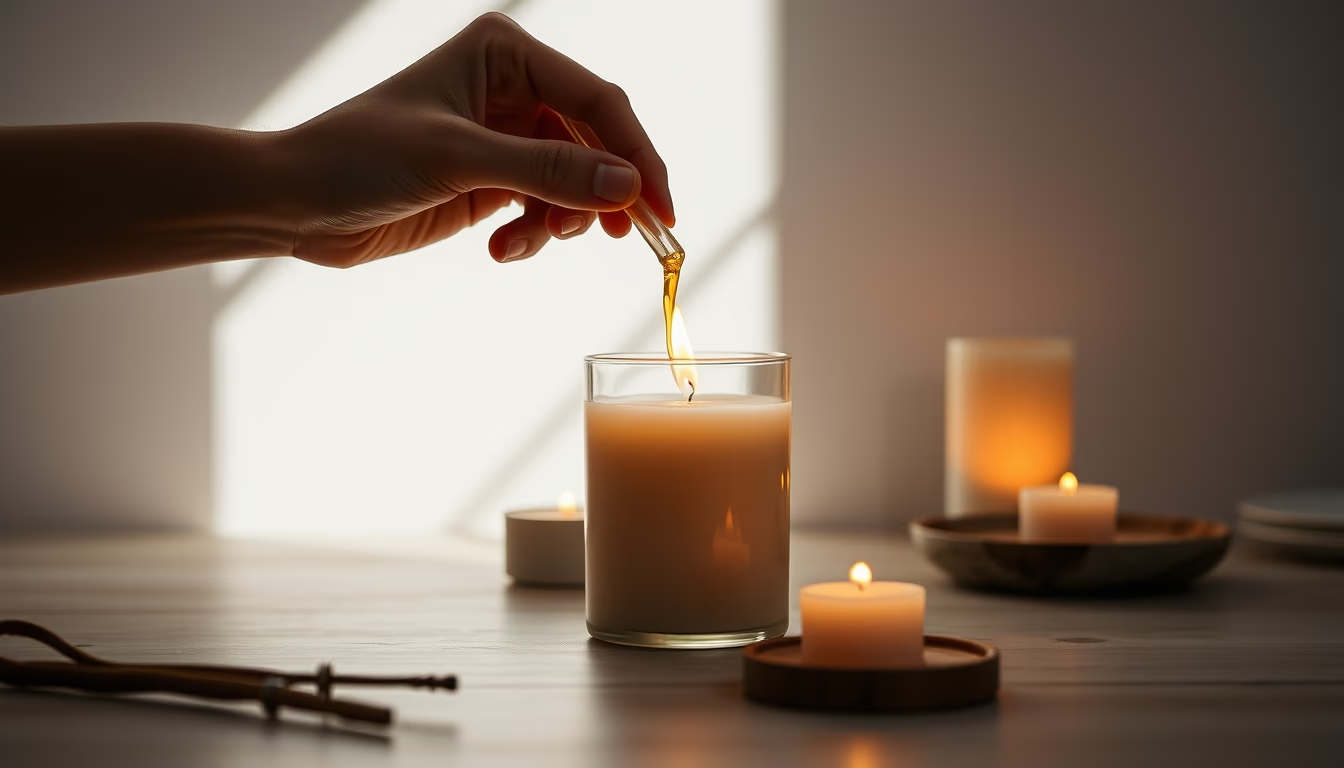
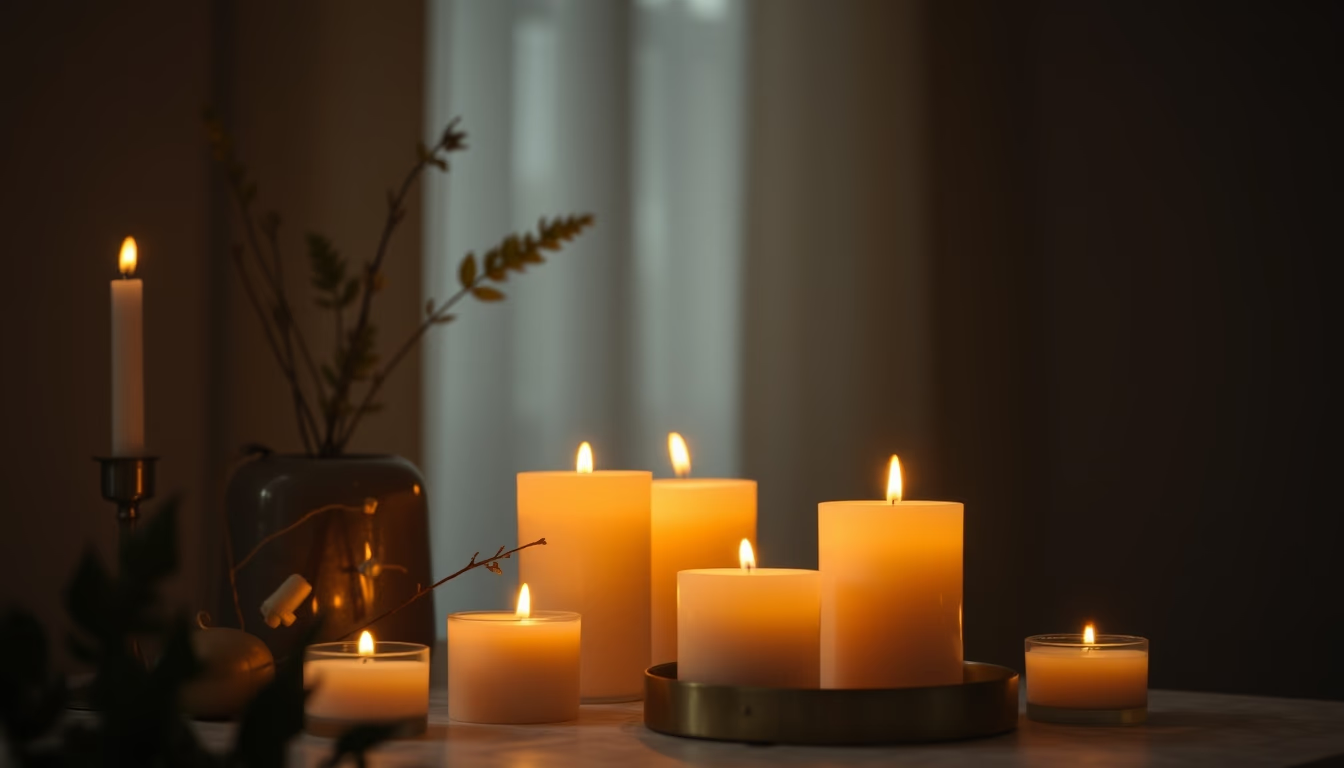
The artisanal process of pouring hot wax for candles, an ancient technique blending precision and creativity.
About this subject
Pouring hot wax is a key step in handmade candle making. The process involves melting wax (paraffin, soy, beeswax, or palm) to temperatures between 60°C and 85°C and carefully pouring it into molds or containers that hold the wick. Temperature control is critical to prevent bubbles, cracks, or uneven burning. As the wax cools, it solidifies and shrinks slightly, often requiring a second pour to create a smooth surface.
Candle making dates back to ancient civilizations. Egyptians used reeds soaked in animal fat, while Romans developed tallow candles. Beeswax candles became a luxury item in the Middle Ages, used in churches and wealthy homes. Today, candle crafting has revived with the DIY movement, focusing on sustainable decoration and aromatherapy. Soy wax, for instance, is popular for being biodegradable and producing less soot, with a longer burn time.
In minimalist aesthetics, pouring hot wax emphasizes simple shapes and material purity. Handcrafted candles are often placed in plain glass, ceramic, or metal containers, highlighting the wax's smooth texture and even color. Adding essential oils (lavender, eucalyptus, vanilla) turns the candle into a functional and sensory piece, influencing mood and well-being. An interesting fact: the ideal pouring temperature depends on the wax type, beeswax at around 70°C, soy wax between 65°C and 75°C.
Technically, the artisan must prepare an insulated mold to ensure uniform cooling. The wick must be centered and secured at the bottom before pouring. After pouring, the candle should cool for 24 to 48 hours before unmolding or lighting. This avoids defects like sinking (a depression caused by excessive shrinkage), common in large-diameter candles. Mastering these variables is key to a professional finish.
Frequently Asked Questions
What is the ideal temperature for pouring candle wax?
It varies: soy wax between 65°C and 75°C, beeswax around 70°C, paraffin between 65°C and 85°C. Use a thermometer for accuracy.
Why does my handmade candle have bubbles or holes?
Bubbles come from pouring too quickly or at too high a temperature. Holes (sinking) are due to wax shrinkage; do a second pour or use a heat gun to level.
How long should a candle cool after pouring?
Allow 24 to 48 hours before unmolding or lighting. This ensures proper curing and prevents defects.
Direct URL
https://pub-c7d6a6ea828543ac903a74a341ccb2e1.r2.dev/imagens/candle-pouring-hot-wax-minimalist-composition-p1.avifHow to credit
Include a visible link back to UtilizAí. Copy one of the snippets below:
<a href="https://xn--utiliza-eza.com/en/midia/imagens/candle-pouring-hot-wax-minimalist-composition-p1">Candle pouring hot wax</a> by <a href="https://xn--utiliza-eza.com">UtilizAí</a>, licensed under <a href="https://creativecommons.org/licenses/by/4.0/">CC BY 4.0</a>.
[Candle pouring hot wax](https://xn--utiliza-eza.com/en/midia/imagens/candle-pouring-hot-wax-minimalist-composition-p1) by [UtilizAí](https://xn--utiliza-eza.com), CC BY 4.0
License: CC-BY-4.0