Cacao pods harvested
1344×768 · AVIF · CC BY 4.0
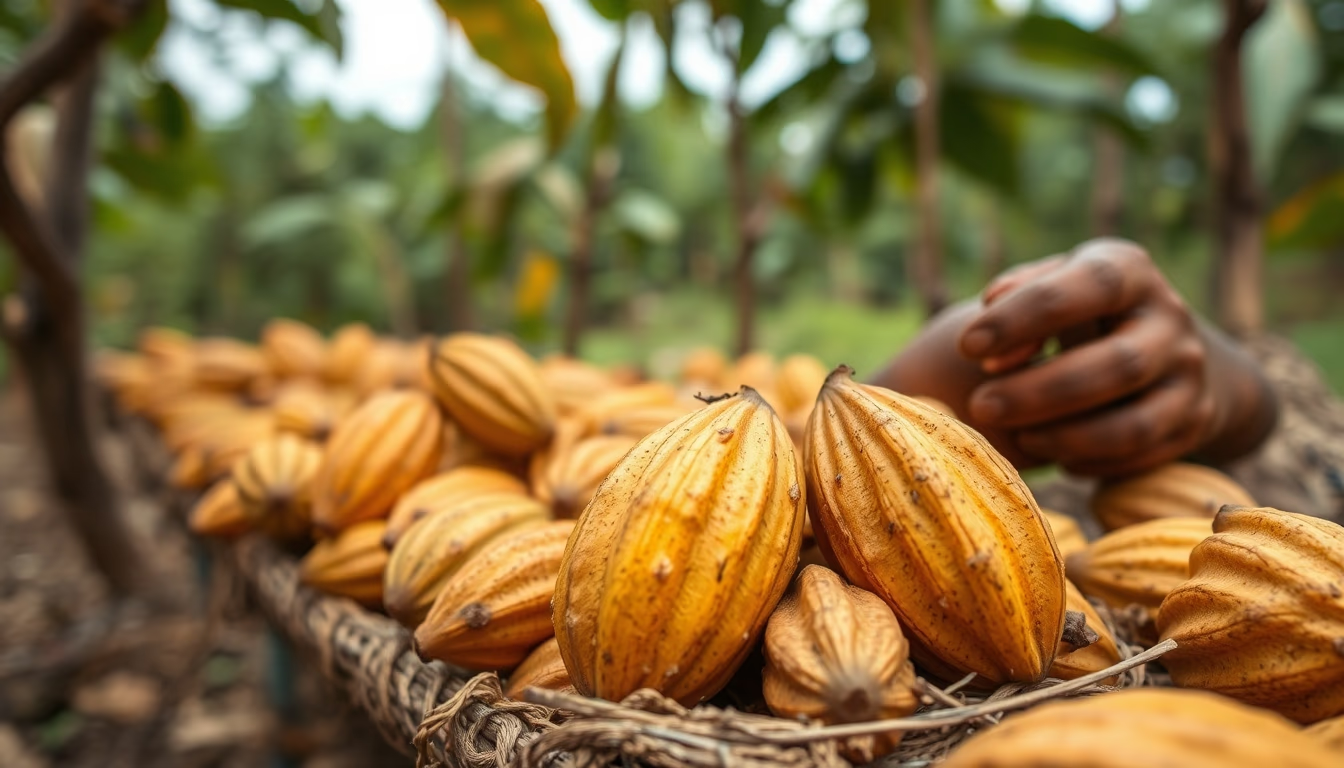
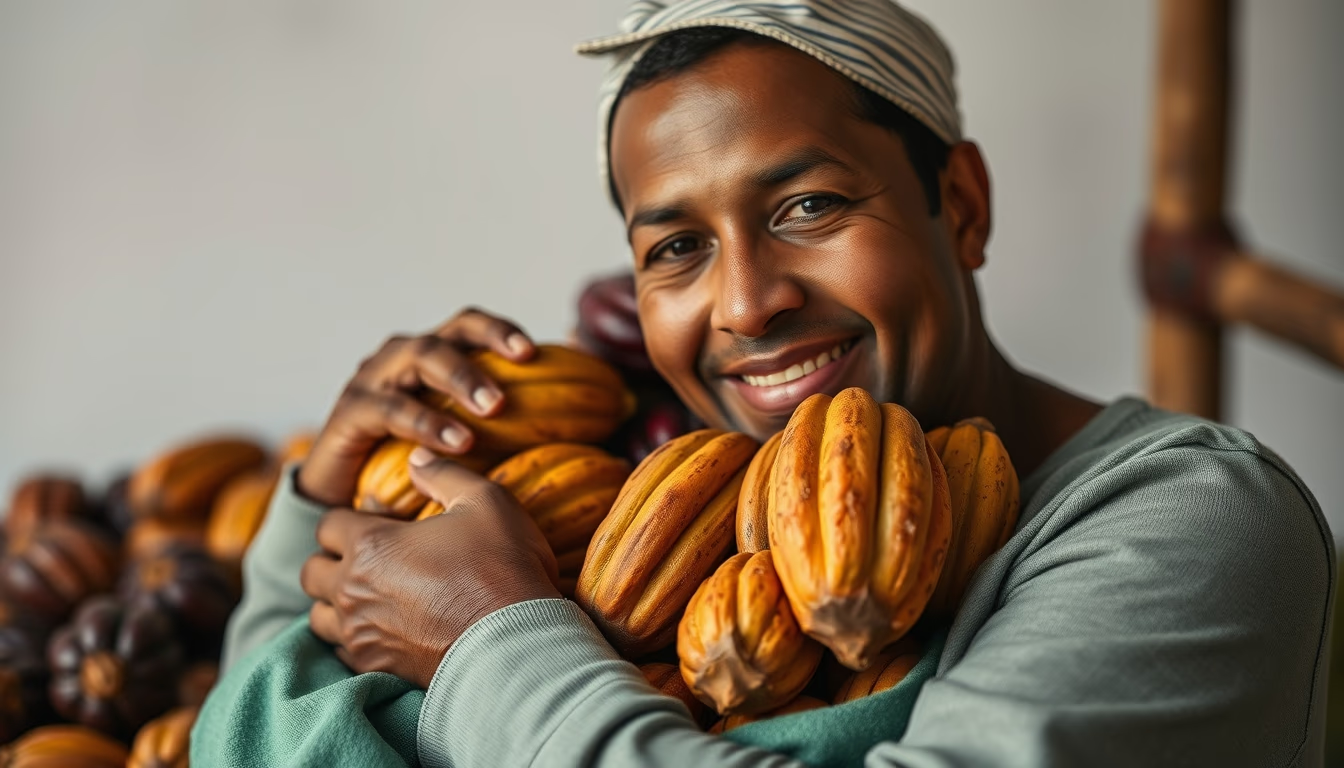
Freshly harvested cacao pods are the first step in chocolate production, a fruit of an Amazonian plant of great economic and cultural value.
About this subject
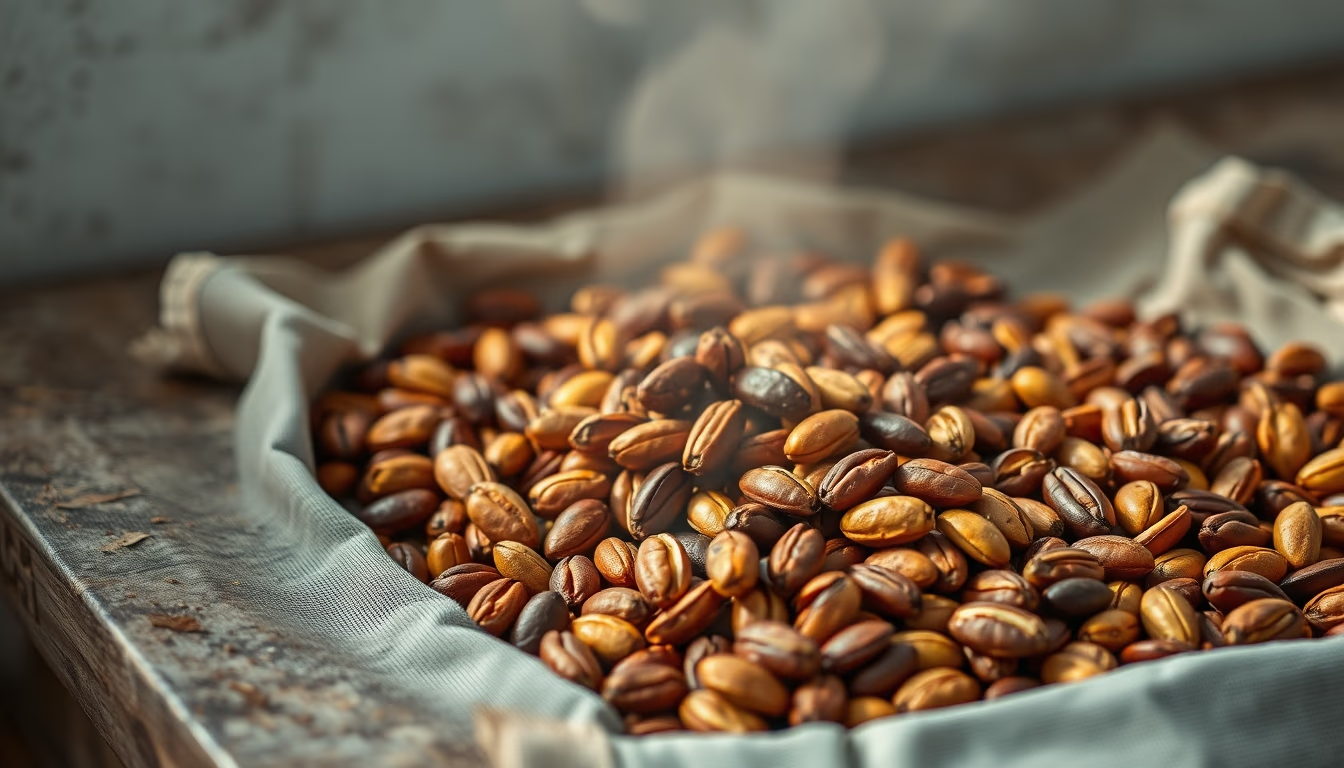
Cacao pods (Theobroma cacao) are the fruits of a tree native to the Amazon region of Brazil, now cultivated in various tropical parts of the world. Harvesting is done manually with machetes or special pruning shears to avoid damaging the trunk and to ensure seed quality. Each pod contains 20 to 60 seeds surrounded by a white, sweet pulp, which are fermented and dried before becoming cacao nibs, the base of chocolate.
Brazil's cacao harvest is concentrated mainly in southern Bahia and Pará, together accounting for over 90% of national production. Bahian cacao, in particular, is considered high quality, grown in agroforestry systems that preserve the Atlantic Forest. In Pará, cultivation takes place in floodplains and upland areas, with emphasis on the region of Medicilândia, the largest cacao producer in the world.
Beyond economic value (Brazil is the seventh-largest global producer), cacao has historical importance. In the 18th century, chocolate was used as currency in some Amazonian regions. Today, the fruit is celebrated in festivals like the Cacau Festival in Ilhéus, attracting tourists and gourmets interested in bean-to-bar chocolate.
Harvesting ripe pods is crucial for the final flavor of chocolate. Cacao harvested green or overripe can result in excessive bitterness or acidity. Therefore, experienced farmers recognize ripeness by the color of the husk (ranging from yellow to orange) and by the sound when gently tapping the pod.
Frequently Asked Questions
How to tell if cacao pods are ripe for harvest?
Ripe pods change color, usually from green to yellow or orange, and produce a hollow sound when lightly tapped. Experienced farmers also observe the glossiness of the husk.
What is the difference between cacao grown in Bahia and Pará?
Bahian cacao is often cultivated in the cabruca system (shaded by Atlantic Forest trees), resulting in more fruity and complex flavors. Pará cacao, from floodplains and uplands, tends to have a fuller, more bitter profile.
How many cacao seeds are needed to make a chocolate bar?
A 100g dark chocolate bar requires approximately 30 to 40 cacao seeds (beans), depending on the cocoa butter content and other ingredients.
Direct URL
https://pub-c7d6a6ea828543ac903a74a341ccb2e1.r2.dev/imagens/cacao-pods-harvested-documentary-nature-style-fresh5.avifHow to credit
Include a visible link back to UtilizAí. Copy one of the snippets below:
<a href="https://xn--utiliza-eza.com/en/midia/imagens/cacao-pods-harvested-documentary-nature-style-fresh5">Cacao pods harvested</a> by <a href="https://xn--utiliza-eza.com">UtilizAí</a>, licensed under <a href="https://creativecommons.org/licenses/by/4.0/">CC BY 4.0</a>.
[Cacao pods harvested](https://xn--utiliza-eza.com/en/midia/imagens/cacao-pods-harvested-documentary-nature-style-fresh5) by [UtilizAí](https://xn--utiliza-eza.com), CC BY 4.0
License: CC-BY-4.0