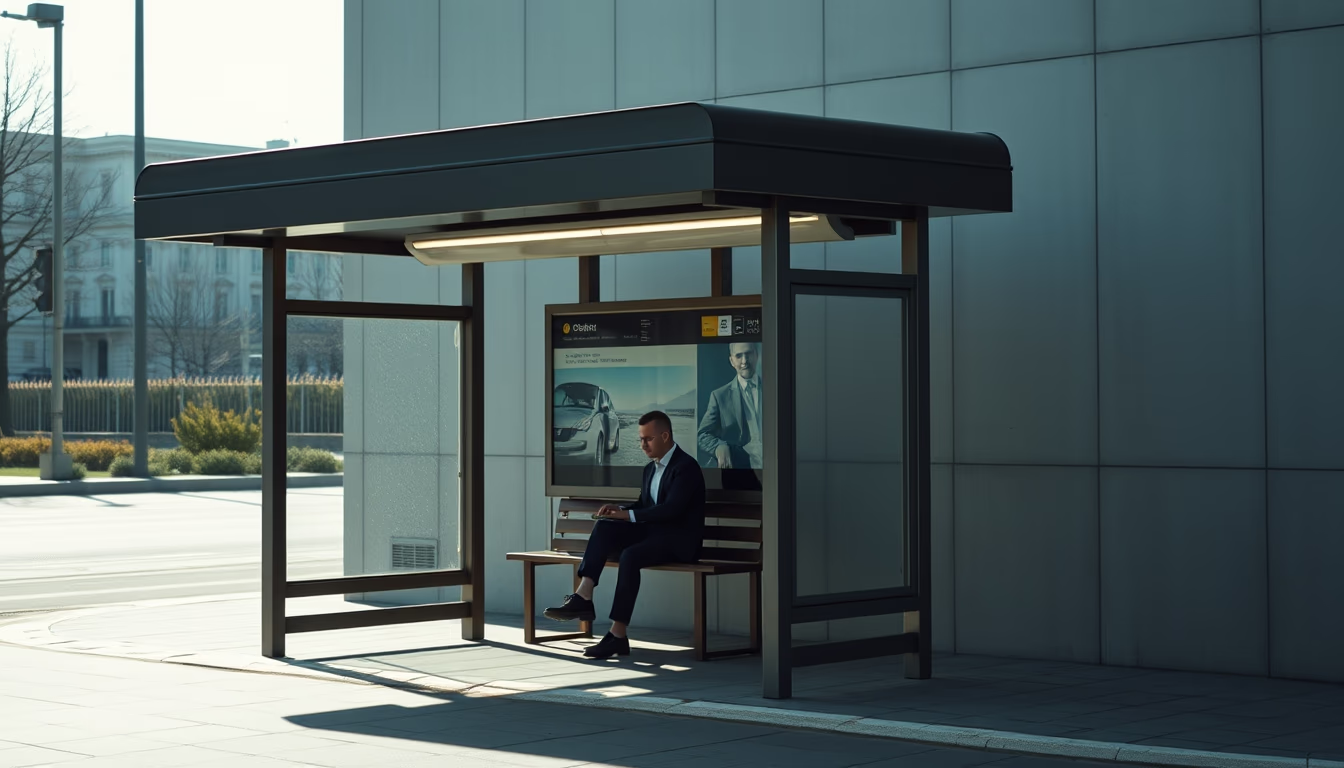
Bus stop minimalist
1344×768 · AVIF · CC BY 4.0
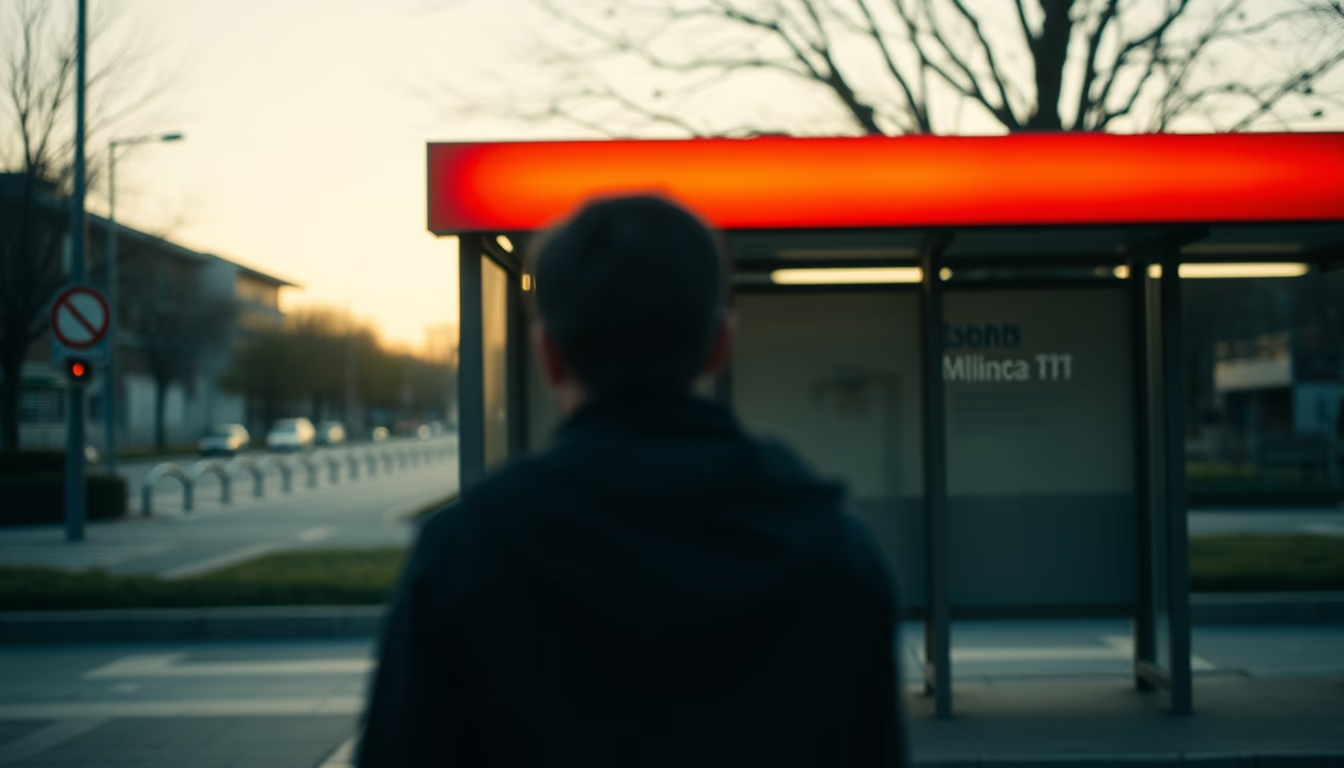
Minimalist bus stops combine functionality and clean aesthetics, providing efficient shelter without visual clutter.
About this subject
The minimalist bus stop is an example of design that prioritizes the essential: a simple shelter, usually a thin roof supported by slender columns and a discreet bench. This style gained traction from the 1960s onward, influenced by modernism and the minimalist movement in architecture. Cities like Tokyo, Zurich, and Curitiba have adopted models that eliminate excess, using materials such as steel and tempered glass.
Minimalist design seeks to integrate the bus stop into the urban environment without competing with the landscape. In Curitiba, the iconic glass tube stations are a functional and striking example, but even simple concrete shelters in Scandinavian cities follow the same principle. Reducing elements facilitates maintenance, lowers costs, and allows quick adaptation to different locations.
Beyond economy, the minimalist aesthetic improves safety and accessibility. Clean lines avoid blind spots and make cleaning easier. Many projects incorporate solar panels for LED lighting, reinforcing sustainability. Countries like Germany and Japan have standards that encourage this type of street furniture, reducing visual pollution and extending equipment lifespan.
Despite its apparent simplicity, minimalist design requires ergonomic study and resistance to weather. Sloped benches to prevent water accumulation, roofs with water runoff, and discreet signage are details that matter. For the user, the minimalist bus stop offers clear and safe shelter without unnecessary distractions.
Frequently Asked Questions
What defines a minimalist bus stop?
A minimalist bus stop is characterized by simple lines, reduced use of materials, and absence of ornamentation. It focuses on the essentials: roof, seat, and support, with a clean and functional design.
What are the benefits of minimalist bus stops?
Lower manufacturing and maintenance costs, better visual integration with the city, improved accessibility and safety, and quick installation in various locations.
Where can I find famous examples of minimalist bus stops?
In cities like Tokyo (Japan), Zurich (Switzerland), Curitiba (Brazil), and Helsinki (Finland). Models vary, but all follow principles of simplicity and efficiency.
Direct URL
https://pub-c7d6a6ea828543ac903a74a341ccb2e1.r2.dev/imagens/bus-stop-minimalist-documentary-photography-p0.avifHow to credit
Include a visible link back to UtilizAí. Copy one of the snippets below:
<a href="https://xn--utiliza-eza.com/en/midia/imagens/bus-stop-minimalist-documentary-photography-p0">Bus stop minimalist</a> by <a href="https://xn--utiliza-eza.com">UtilizAí</a>, licensed under <a href="https://creativecommons.org/licenses/by/4.0/">CC BY 4.0</a>.
[Bus stop minimalist](https://xn--utiliza-eza.com/en/midia/imagens/bus-stop-minimalist-documentary-photography-p0) by [UtilizAí](https://xn--utiliza-eza.com), CC BY 4.0
License: CC-BY-4.0