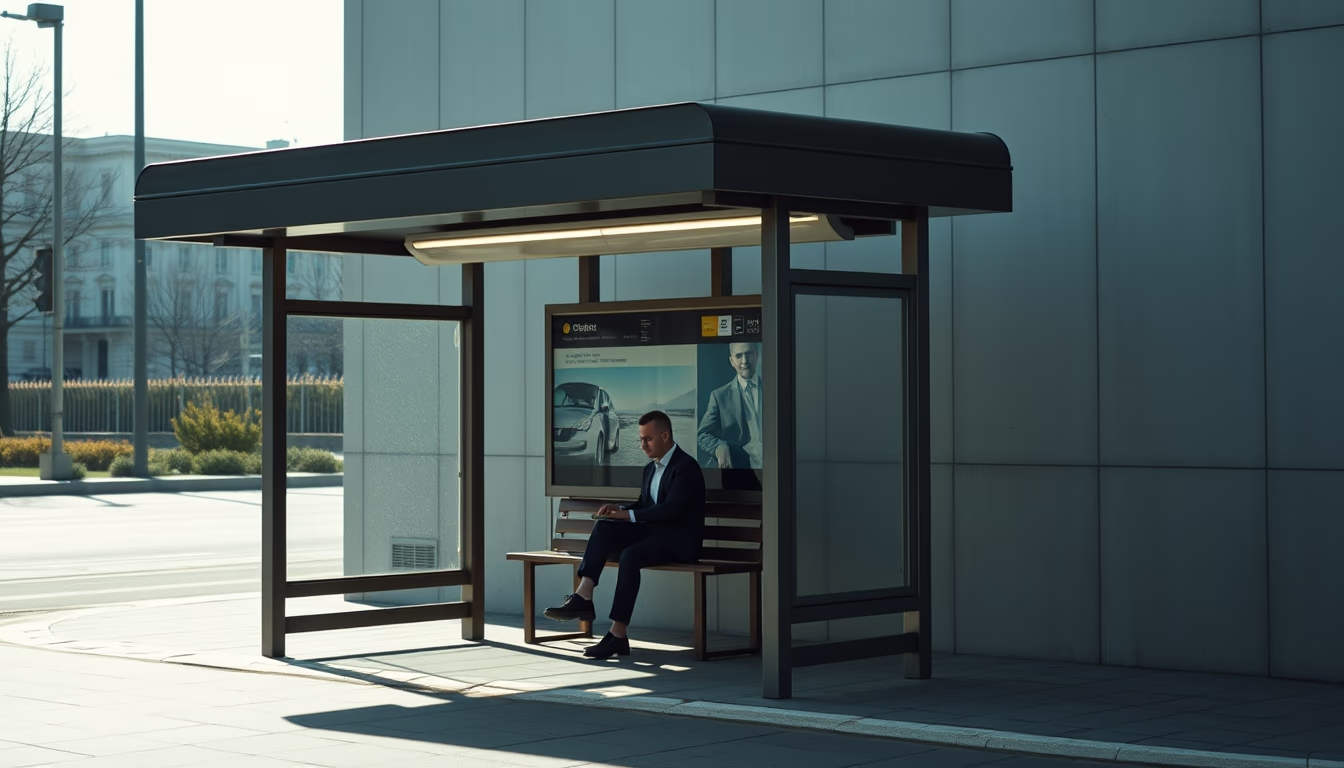
Bus stop minimalist
1344×768 · AVIF · CC BY 4.0
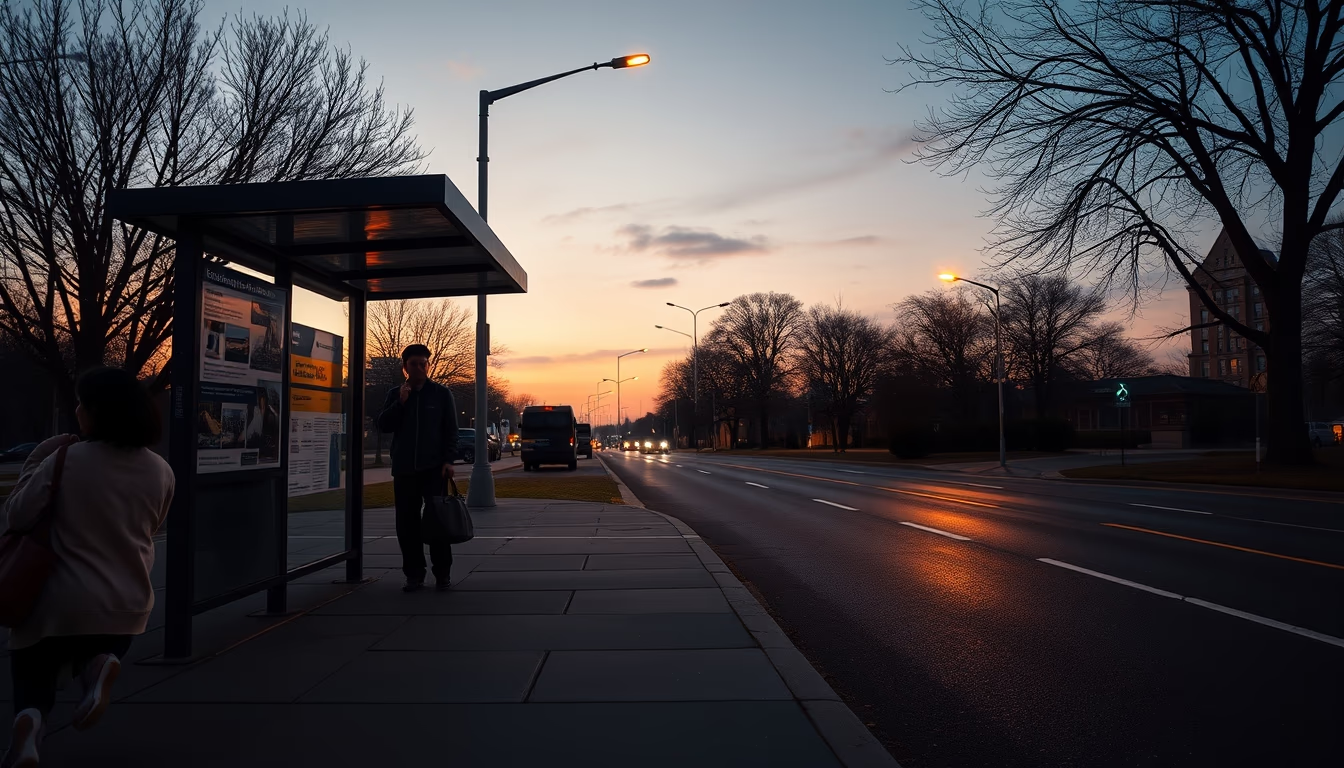
The minimalist bus stop represents the fusion of functionality and aesthetics, becoming an essential element in the modern urban landscape.
About this subject
Minimalist bus stop design emerges as a response to the need for cleaner and more efficient public spaces. Inspired by the modernist movement of the 20th century, this style prioritizes straight lines, neutral colors, and the removal of unnecessary elements. Cities like Copenhagen and Tokyo have adopted stops with glass and steel shelters, integrated benches, and digital information panels, creating a contrast with the visual clutter of advertisements and structures.
The importance of minimalist bus stops goes beyond aesthetics. Studies indicate that uncluttered environments reduce passenger stress and improve perceived safety. Moreover, the simplicity of construction facilitates maintenance and allows the incorporation of sustainable technologies, such as solar panels for nighttime lighting. In some cities, stops are designed by renowned architects, elevating urban furniture to design objects.
In Brazil, minimalist bus stops are still sporadic but are gaining ground in BRT corridors in cities like Curitiba and São Paulo. They differ from traditional ones by having no enclosed shelters or visual pollution, contributing to landscape integration. The global trend points to standardization and digitization, with stops offering real-time information and USB charging while maintaining a lean aesthetic.
Interestingly, minimalism at bus stops also reflects cultural shifts: valuing public transport as a space of transition, not permanence. The absence of cushioned seats or decorations encourages quick boarding, aligning with the dynamics of contemporary cities. Notable examples include bus stops in Utrecht, Netherlands, with green shelters and living roofs.
Frequently Asked Questions
What characterizes a minimalist bus stop?
A minimalist bus stop is defined by simple lines, neutral colors, and the absence of decorative or advertising elements. It prioritizes functionality with glass and steel shelters, integrated benches, and information panels, reducing visual pollution.
What are the benefits of minimalist bus stops for passengers?
They offer a cleaner and safer environment, ease orientation with clear information, and reduce visual stress. Additionally, they are easier to maintain and can include sustainable technologies like solar panels.
Where can I find examples of minimalist bus stops worldwide?
Notable examples are in Copenhagen (Denmark), Tokyo (Japan), and Utrecht (Netherlands). In Brazil, BRT corridors in Curitiba and São Paulo are beginning to adopt this style.
Direct URL
https://pub-c7d6a6ea828543ac903a74a341ccb2e1.r2.dev/imagens/bus-stop-minimalist-cinematic-wide-shot-p1.avifHow to credit
Include a visible link back to UtilizAí. Copy one of the snippets below:
<a href="https://xn--utiliza-eza.com/en/midia/imagens/bus-stop-minimalist-cinematic-wide-shot-p1">Bus stop minimalist</a> by <a href="https://xn--utiliza-eza.com">UtilizAí</a>, licensed under <a href="https://creativecommons.org/licenses/by/4.0/">CC BY 4.0</a>.
[Bus stop minimalist](https://xn--utiliza-eza.com/en/midia/imagens/bus-stop-minimalist-cinematic-wide-shot-p1) by [UtilizAí](https://xn--utiliza-eza.com), CC BY 4.0
License: CC-BY-4.0