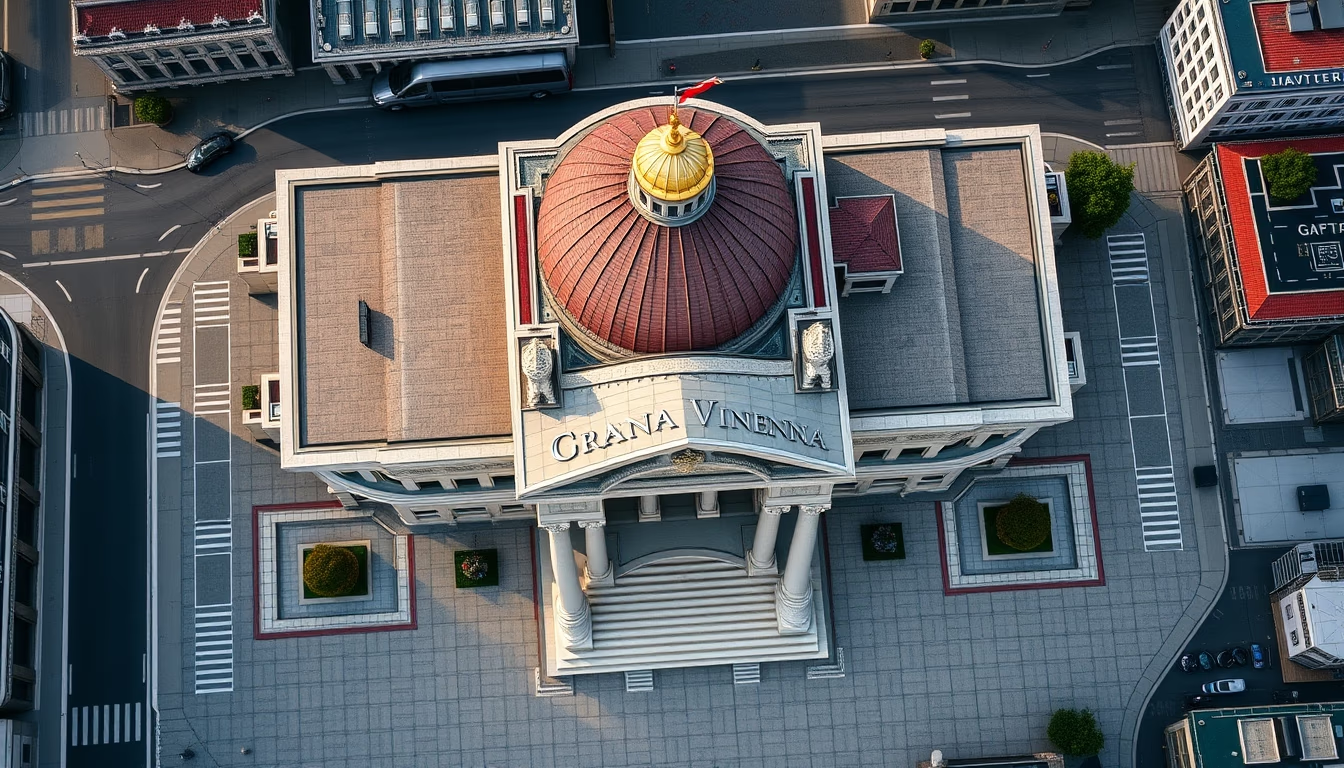
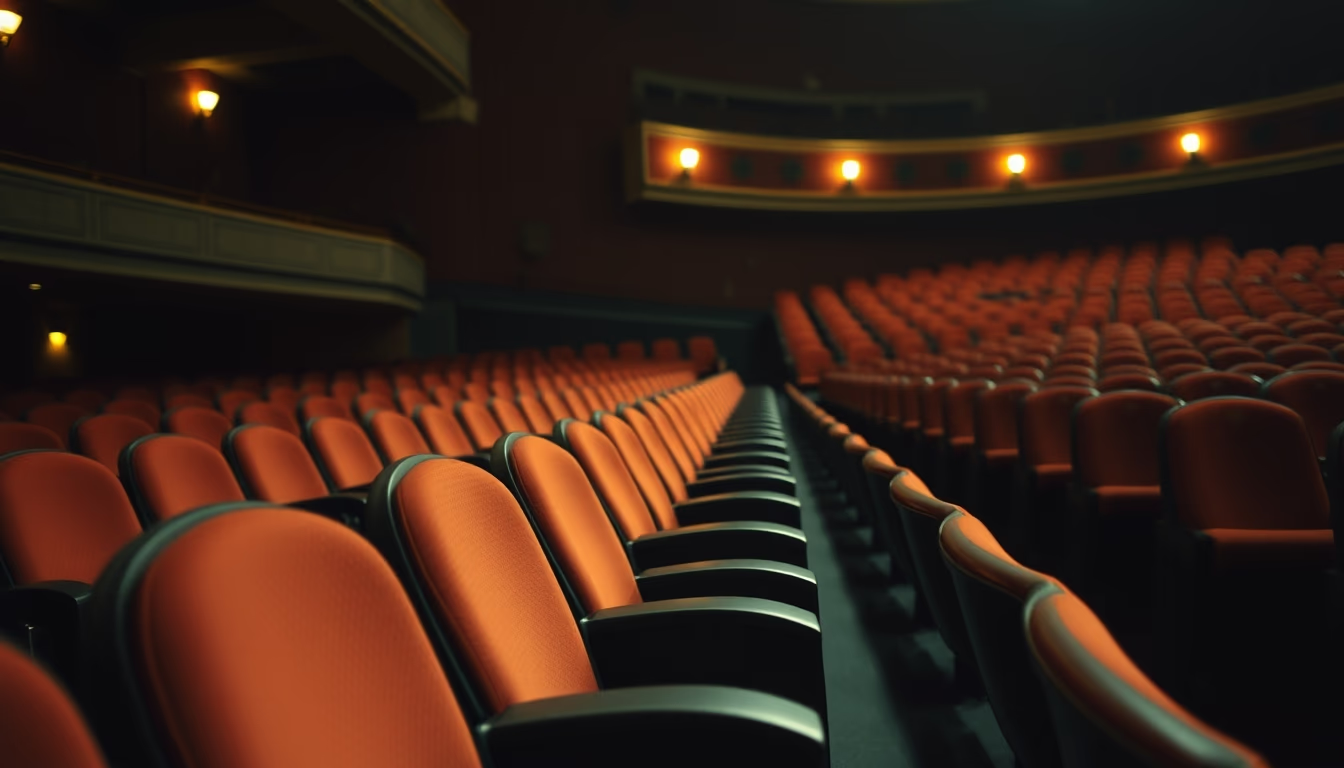
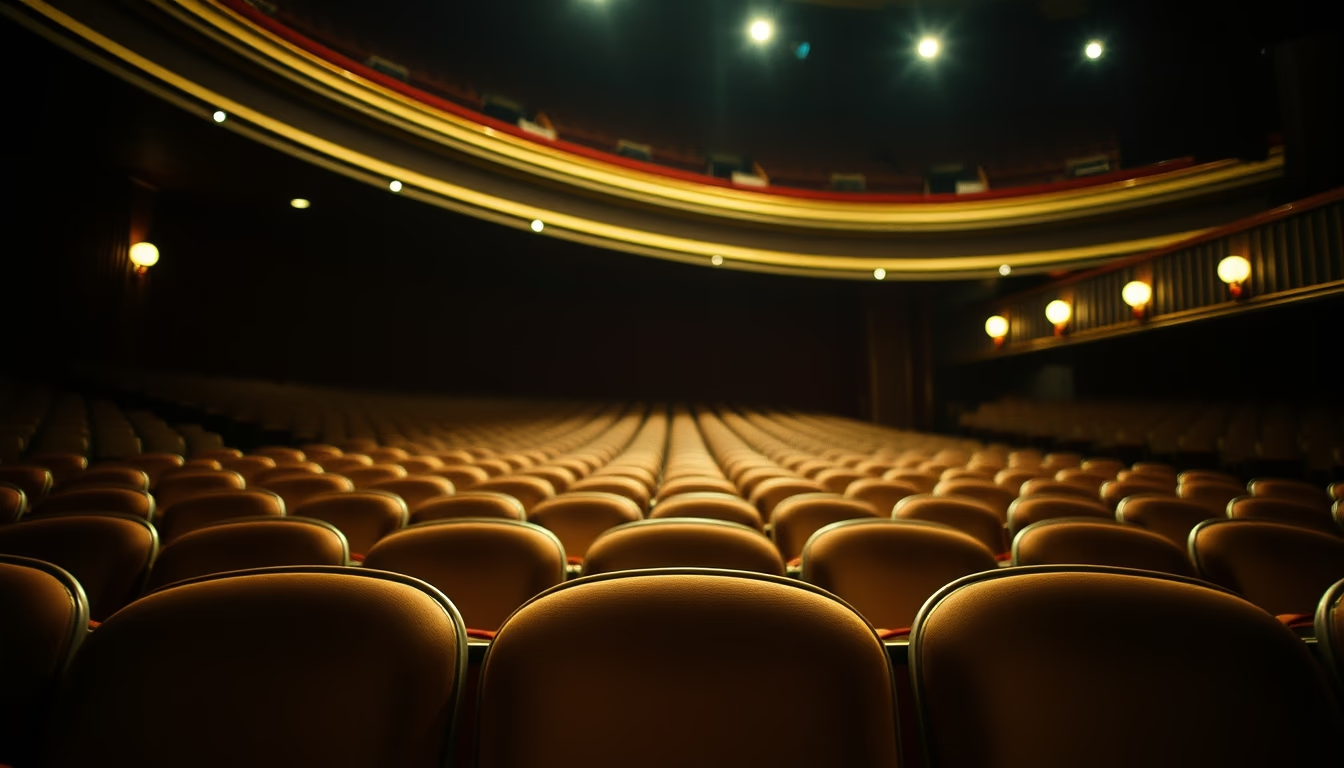
Broadway theater empty seats
1344×768 · AVIF · CC BY 4.0
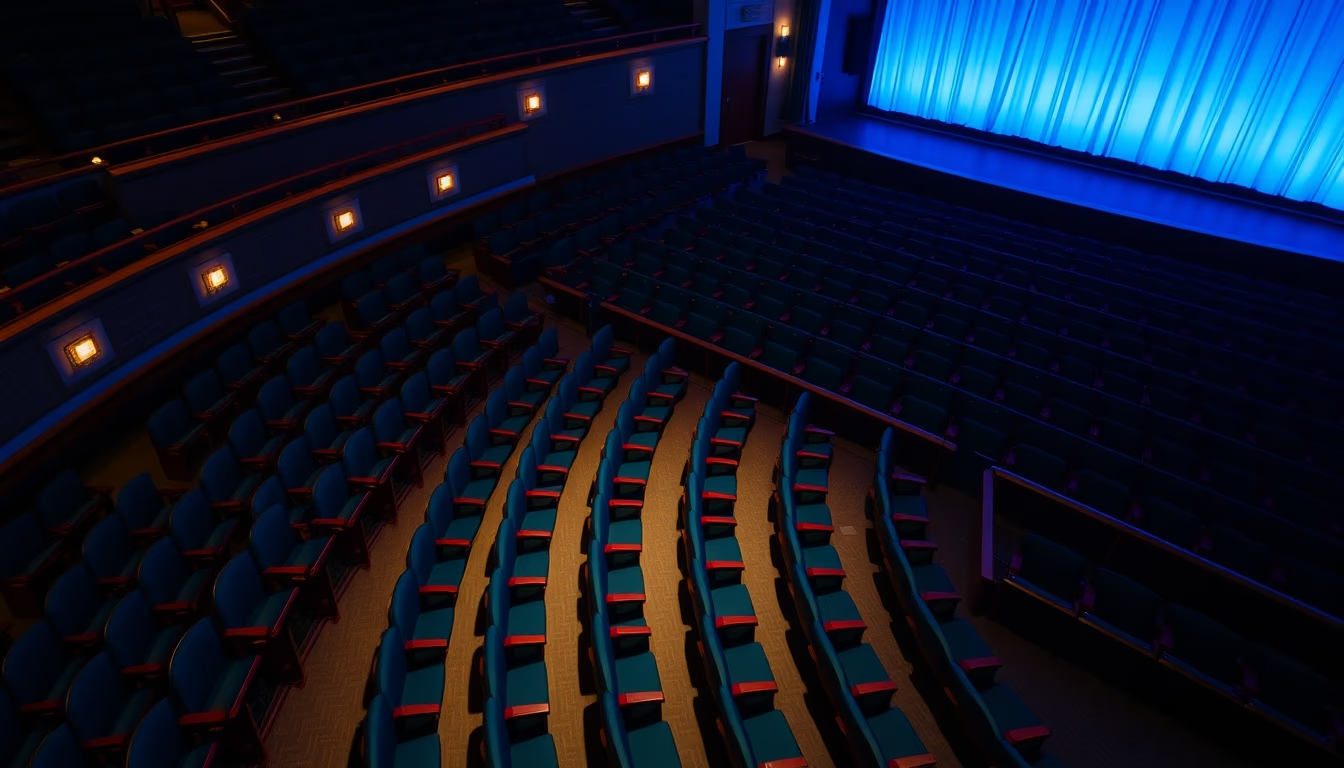
Broadway theaters in New York City have a rich architectural and cultural history, and their empty seats reveal box office dynamics and seasonality.
About this subject
Broadway, located in the heart of Manhattan, is the epicenter of commercial theater in the United States. Its theaters, many built between the late 19th and early 20th centuries, are true architectural gems. The Lyceum Theatre, for example, opened in 1903 and is the oldest still operating on Broadway. The Shubert Theatre, from 1913, is a landmark of Beaux-Arts style. These venues were designed to accommodate large audiences, with capacities ranging from 500 to over 1,800 seats. Empty seats, therefore, do not necessarily indicate low attendance but may reflect tourism seasonality, competition between shows, or even reserved tickets for critics and special guests.
Historically, Broadway has gone through periods of decline and renewal. In the 1970s, the area faced high crime rates and urban decay, driving audiences away. Revitalization came through initiatives like the Times Square Alliance and the transformation of areas into entertainment zones. During the COVID-19 pandemic, all theaters closed for over a year, leading to a reassessment of pricing and strict health measures. Currently, average occupancy rates hover around 70% to 85%, with peaks on weekends and holidays.
Empty seats also involve logistics: Broadway operates with dynamic ticket pricing, varying by demand. Many theaters maintain a strategic number of seats available for last-minute sales or sponsors. Furthermore, the acoustics and visibility of each seat are carefully designed to ensure a consistent experience. For instance, the Gershwin Theatre, home to the musical "Wicked," has one of the steepest balconies, allowing even the highest seats to have a good view of the stage.
Frequently Asked Questions
Why are there empty seats on Broadway even for popular shows?
Empty seats can result from holds for critics, sponsors, or special guests, as well as dynamic pricing and last-minute sales. Seasonality and competition among shows also affect occupancy.
What is the oldest Broadway theater still in operation?
The Lyceum Theatre, opened in 1903, is the oldest operating Broadway theater. It is located on West 45th Street in the Times Square theater district.
How did the COVID-19 pandemic affect Broadway theater occupancy?
The pandemic forced all theaters to close for over a year, from March 2020 to September 2021. Post-reopening, sanitary measures and socially distanced seating initially reduced capacity, but occupancy has gradually recovered to near pre-pandemic levels.
Direct URL
https://pub-c7d6a6ea828543ac903a74a341ccb2e1.r2.dev/imagens/broadway-theater-empty-seats-aerial-drone-shot-fresh7.avifHow to credit
Include a visible link back to UtilizAí. Copy one of the snippets below:
<a href="https://xn--utiliza-eza.com/en/midia/imagens/broadway-theater-empty-seats-aerial-drone-shot-fresh7">Broadway theater empty seats</a> by <a href="https://xn--utiliza-eza.com">UtilizAí</a>, licensed under <a href="https://creativecommons.org/licenses/by/4.0/">CC BY 4.0</a>.
[Broadway theater empty seats](https://xn--utiliza-eza.com/en/midia/imagens/broadway-theater-empty-seats-aerial-drone-shot-fresh7) by [UtilizAí](https://xn--utiliza-eza.com), CC BY 4.0
License: CC-BY-4.0