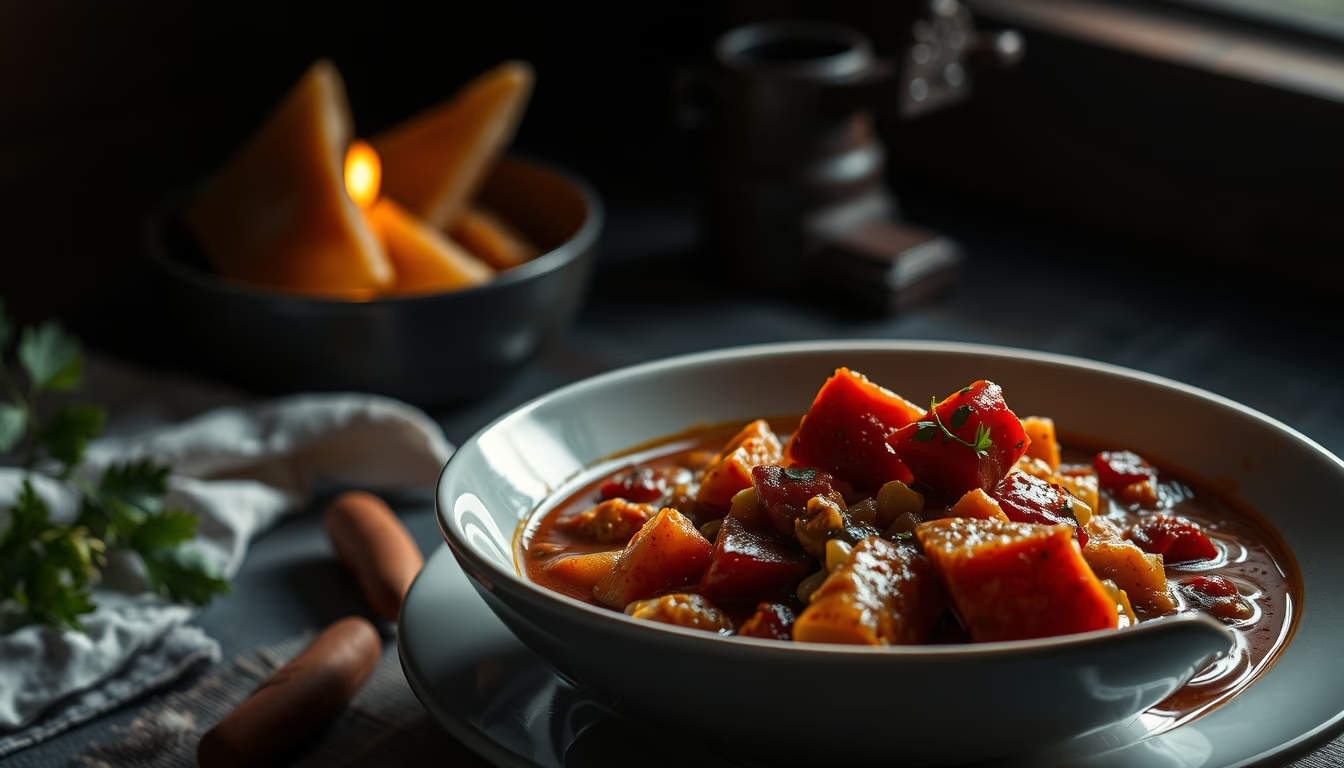
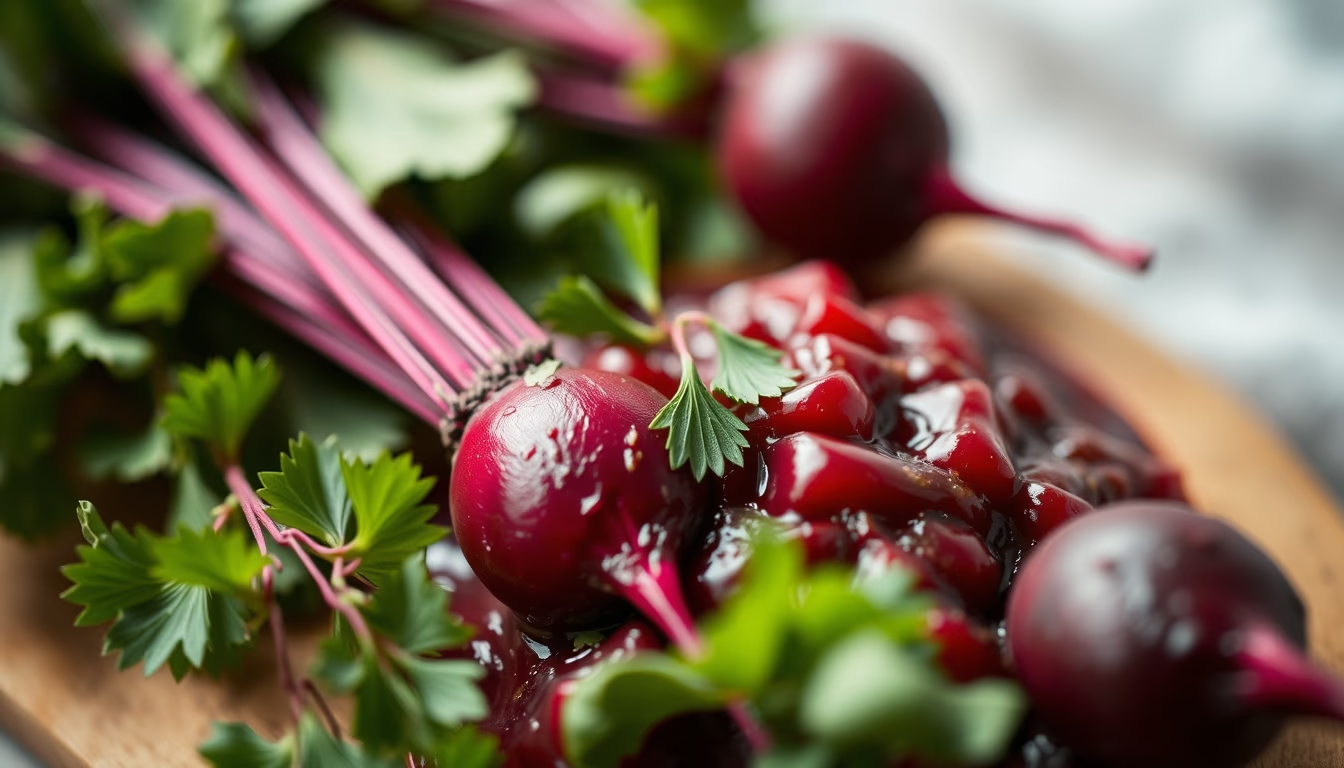
Borscht russian beet
1344×768 · AVIF · CC BY 4.0
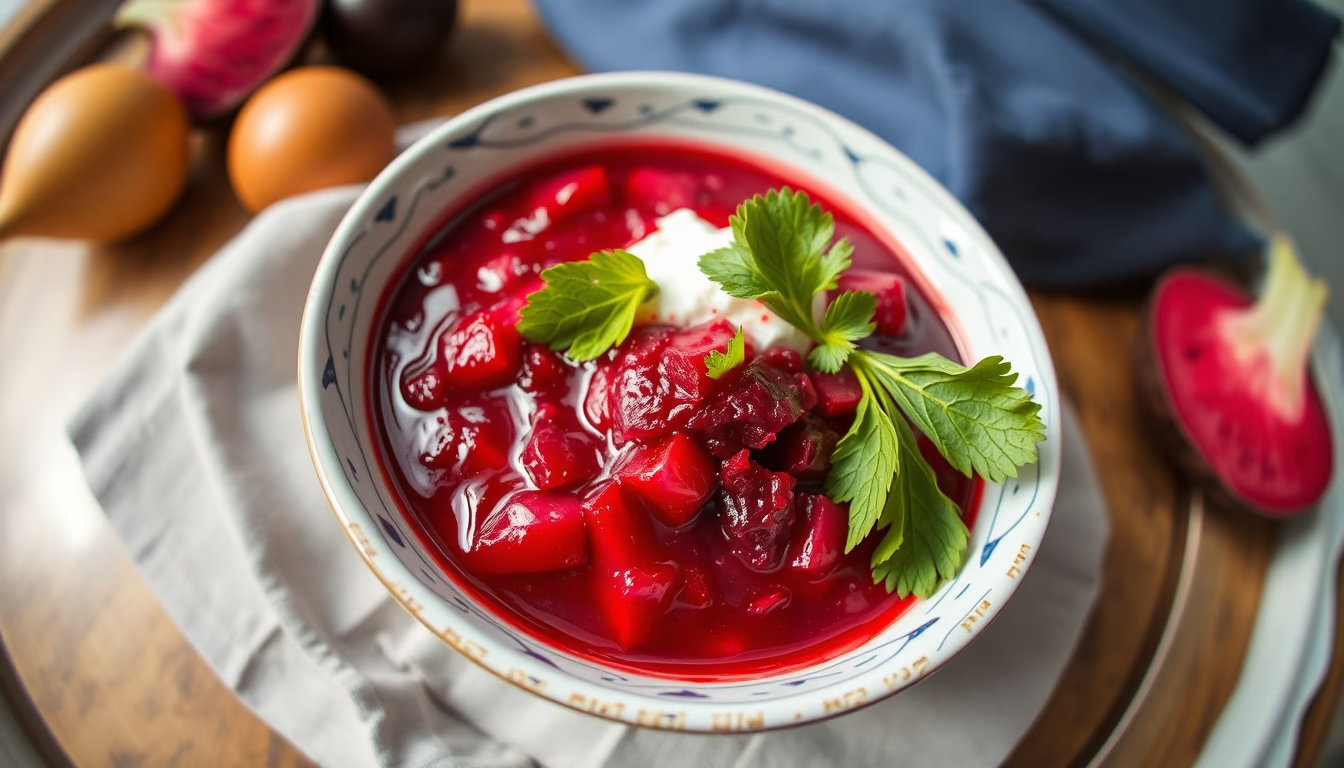
Borscht is a traditional Eastern European soup, primarily made with beets, which give it a distinctive red color and a slightly sweet flavor.
About this subject
Borscht is a beetroot soup originating from Ukraine, but widely consumed throughout Eastern Europe, especially in Russia, Poland, and Lithuania. Its history dates back to the 9th century, when beets began to be cultivated in the region. The most famous version, red borscht, includes beets, cabbage, potatoes, carrots, onions, and often meat (such as beef or pork). The broth is slow-cooked to extract flavors, and the soup is served hot or cold, often accompanied by smetana (sour cream) and fresh dill.
In Russian and Ukrainian culture, borscht is more than just a soup: it is a symbol of hospitality and tradition. Each family has its own recipe, passed down through generations. There are regional variations, such as green borscht (with sorrel and hard-boiled eggs) and cold borscht typical of summer. The name "borscht" is believed to come from the Old Slavic word "borshch," meaning "beet." Though an icon of Eastern European cuisine, borscht has also spread worldwide, especially after the migration of Jewish and Slavic communities.
Nutritionally, borscht is rich in vitamins A, C, and B complex, as well as minerals like potassium and iron. Beets are known for their health benefits, including lowering blood pressure and improving athletic performance. Traditionally, borscht is prepared in large pots and served as a main course, accompanied by rye bread and garlic. In Ukraine, there is even an annual festival dedicated to borscht, celebrating its cultural importance.
Despite many people associating borscht exclusively with Russia, Ukraine claims authorship of the soup, and in 2022 UNESCO recognized the culture of Ukrainian borscht as intangible cultural heritage. The soup is a perfect example of how a dish can unite people and represent the identity of a region.
Frequently Asked Questions
What is the difference between Ukrainian and Russian borscht?
Although similar, Ukrainian borscht often includes pork fat (salo) and is thicker, while Russian borscht may use pickled beets and is thinner. The main difference is cultural: Ukraine claims the dish's origin.
Can borscht be served cold?
Yes, cold borscht is common in summer, especially in Poland and Lithuania. It is made with cooked beets, kefir or yogurt, and sometimes dill, served chilled with boiled eggs and potatoes.
Is borscht healthy?
Yes, it is rich in fiber, vitamins, and antioxidants from beets and vegetables. The broth may be fatty if made with meat, but vegetarian versions are equally nutritious.
Direct URL
https://pub-c7d6a6ea828543ac903a74a341ccb2e1.r2.dev/imagens/borscht-russian-beet-fish-eye-wide-angle-fresh16.avifHow to credit
Include a visible link back to UtilizAí. Copy one of the snippets below:
<a href="https://xn--utiliza-eza.com/en/midia/imagens/borscht-russian-beet-fish-eye-wide-angle-fresh16">Borscht russian beet</a> by <a href="https://xn--utiliza-eza.com">UtilizAí</a>, licensed under <a href="https://creativecommons.org/licenses/by/4.0/">CC BY 4.0</a>.
[Borscht russian beet](https://xn--utiliza-eza.com/en/midia/imagens/borscht-russian-beet-fish-eye-wide-angle-fresh16) by [UtilizAí](https://xn--utiliza-eza.com), CC BY 4.0
License: CC-BY-4.0