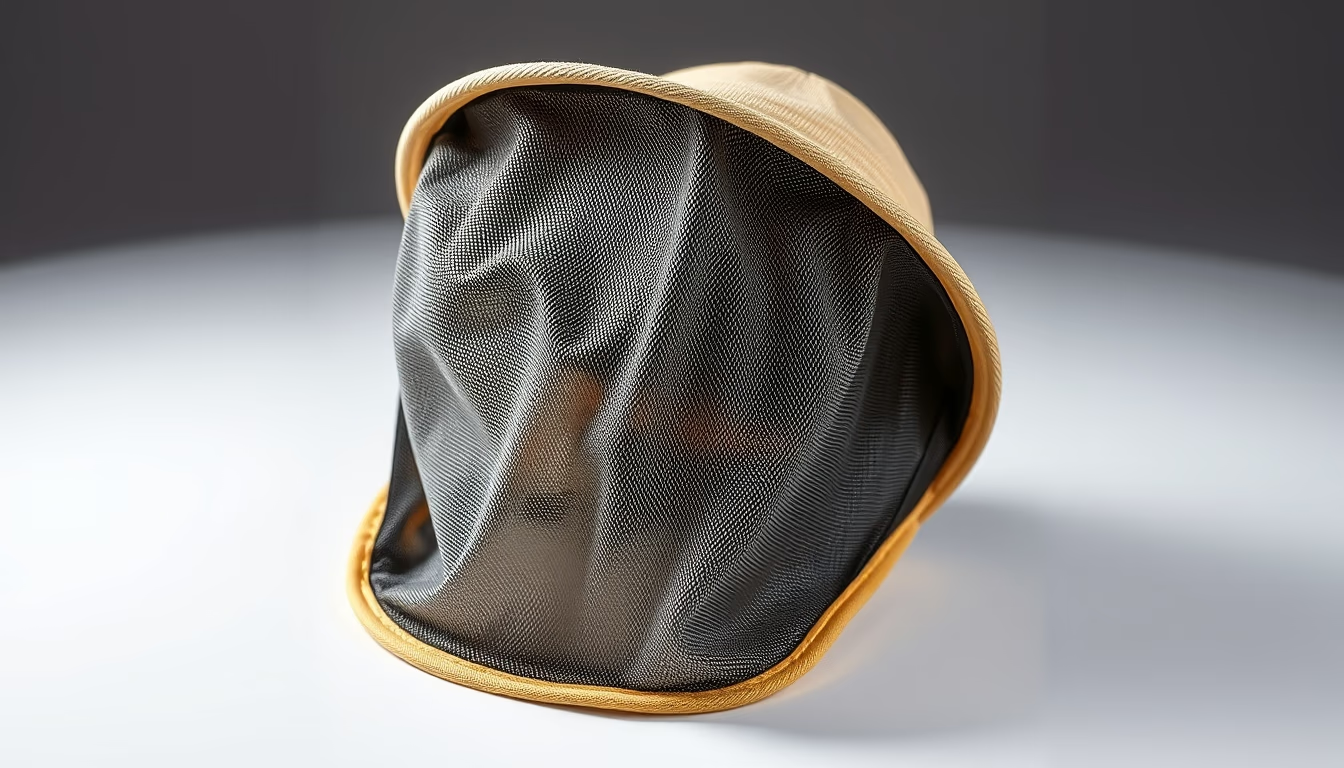
Beekeeper veil empty hat
1344×768 · AVIF · CC BY 4.0
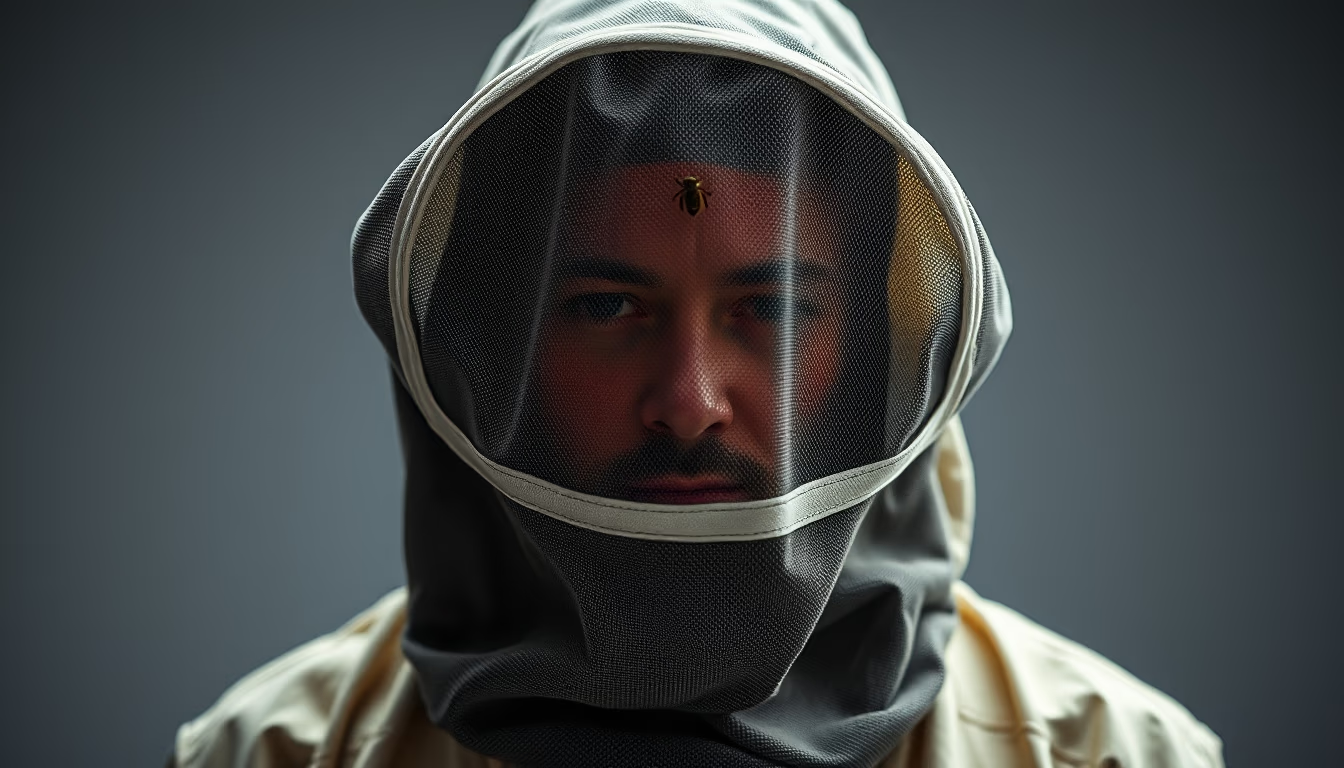
The beekeeper veil and hat are essential protective gear against stings, blending functionality and tradition in global beekeeping.
About this subject
The beekeeper veil is an essential safety item in beekeeping, designed to protect the face and neck from bee stings. Usually made of fine mesh netting, it allows visibility and airflow. The wide-brimmed hat, often of straw or felt, keeps the veil away from the face and provides shade. The combination forms the traditional bee veil hat, an iconic symbol of the profession.
Historically, modern beekeeping evolved from ancient practices, but facial protection became standardized only in the 19th century. Before that, beekeepers used improvised nets or cloth. Lorenzo Langstroth, a pioneer in modern beekeeping, recommended veils. Materials have evolved: early veils were cotton or linen, while today polyester or nylon is used, lighter and more durable. Straw hats are common in tropical regions, contrasting with felt hats used in temperate climates.
Culturally, the bee veil hat transcends utility: it appears in art, photography, and film as an icon of rural labor and the human nature relationship. In fine art photography, as in the depicted image, the empty gear evokes the beekeeper’s absence, inviting reflection on the interdependence between humans and bees. The minimalist composition highlights the objects’ form and texture, underscoring the importance of beekeeping for pollination and honey production.
Interestingly, despite the protection, many experienced beekeepers forgo some equipment in controlled situations. The veil is most used by beginners or during invasive manipulations. Material choice affects comfort: in hot climates, straw hats with wide mesh veils are preferred to avoid overheating. Proper maintenance, such as washing and inspecting for holes, ensures effectiveness.
Frequently Asked Questions
Why do beekeepers use a veil and hat?
The veil and hat protect the face, neck, and head from bee stings, which can cause allergic reactions. The fine mesh allows visibility and airflow, while the hat keeps the veil away from the skin.
What is the difference between beekeeping veils?
Veils vary in material (cotton, polyester, nylon) and shape. Some are attached to the hat, others are separate. Models with wire or frame keep the netting away from the face. Choice depends on climate and beekeeper comfort.
Can the beekeeper hat be used without the veil?
Yes, some beekeepers use only the hat for sun protection, but it does not offer sting protection. The veil is essential when handling hives, especially with more aggressive bees.
Direct URL
https://pub-c7d6a6ea828543ac903a74a341ccb2e1.r2.dev/imagens/beekeeper-veil-empty-hat-fine-art-photography-fresh10.avifHow to credit
Include a visible link back to UtilizAí. Copy one of the snippets below:
<a href="https://xn--utiliza-eza.com/en/midia/imagens/beekeeper-veil-empty-hat-fine-art-photography-fresh10">Beekeeper veil empty hat</a> by <a href="https://xn--utiliza-eza.com">UtilizAí</a>, licensed under <a href="https://creativecommons.org/licenses/by/4.0/">CC BY 4.0</a>.
[Beekeeper veil empty hat](https://xn--utiliza-eza.com/en/midia/imagens/beekeeper-veil-empty-hat-fine-art-photography-fresh10) by [UtilizAí](https://xn--utiliza-eza.com), CC BY 4.0
License: CC-BY-4.0