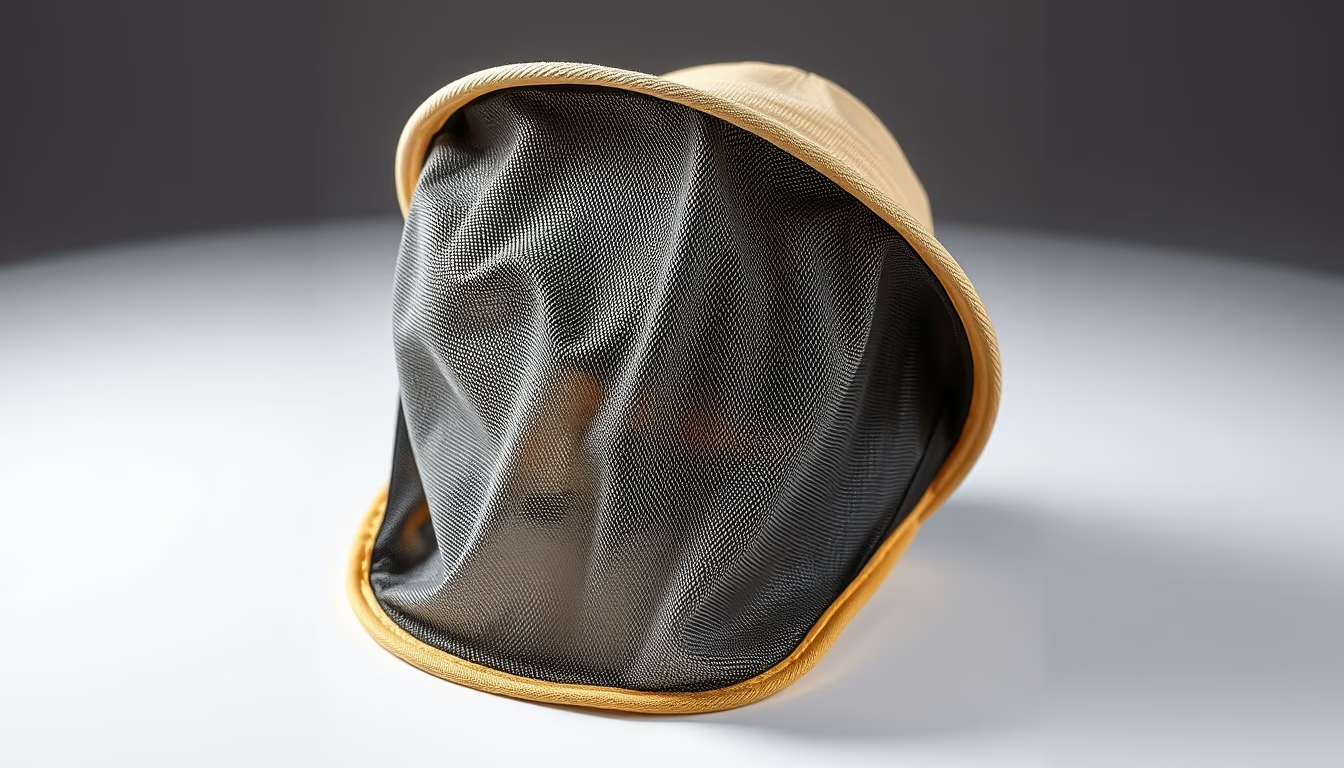
Beekeeper veil empty hat
1344×768 · AVIF · CC BY 4.0

A beekeeper veil and an empty hat symbolize safety and tradition in beekeeping, an ancient practice essential for pollination and honey production.
About this subject
The beekeeper veil is a crucial piece of protective equipment for anyone working with bees. Made of fine mesh or tulle, it shields the face, neck, and ears from stings, while the wide-brimmed hat keeps the veil away from the skin, ensuring visibility and airflow. This set is part of the basic beekeeping suit, along with the overalls and gloves, and is essential for safe hive management.
Historically, beekeeping dates back thousands of years, but the modern veil emerged only in the 19th century, with the development of the movable-frame hive by Lorenzo Langstroth. He observed that bees are less aggressive when handled calmly and that light colors, such as white, reduce insect stress. Therefore, veils and suits are typically white, also helping to reflect heat on sunny days.
In Brazil, beekeeping is a prominent activity, with production concentrated in the South and Northeast regions. The country ranks among the world's largest honey producers, especially orange blossom and eucalyptus honey. In addition to exotic bees (Apis mellifera), native stingless bees like jataí and uruçu are also managed with adapted protective gear. The use of the veil reflects the respect and care needed to maintain harmony between humans and these pollinating insects.
The empty hat in the image may evoke the absence of the beekeeper, but it also carries the heritage of knowledge passed down through generations. Beekeeping combines science, tradition, and observation of nature, and the veil is a symbol of the protection that enables this coexistence. Every detail, from material choice to how it is worn, shows how the practice has been refined over centuries to ensure safety and productivity.
Frequently Asked Questions
What is the purpose of a beekeeper veil?
The beekeeper veil protects the face, neck, and ears from bee stings, allowing safe and calm hive management.
What is the origin of the beekeeper veil?
The modern veil was developed in the 19th century alongside Lorenzo Langstroth's movable-frame hive and became standard in professional beekeeping.
Does the empty hat in the image have any meaning?
Yes, the empty hat can symbolize the beekeeper's absence, but it also represents the continuation of tradition and the importance of protective equipment in beekeeping.
Direct URL
https://pub-c7d6a6ea828543ac903a74a341ccb2e1.r2.dev/imagens/beekeeper-veil-empty-hat-cinematic-wide-shot-fresh5.avifHow to credit
Include a visible link back to UtilizAí. Copy one of the snippets below:
<a href="https://xn--utiliza-eza.com/en/midia/imagens/beekeeper-veil-empty-hat-cinematic-wide-shot-fresh5">Beekeeper veil empty hat</a> by <a href="https://xn--utiliza-eza.com">UtilizAí</a>, licensed under <a href="https://creativecommons.org/licenses/by/4.0/">CC BY 4.0</a>.
[Beekeeper veil empty hat](https://xn--utiliza-eza.com/en/midia/imagens/beekeeper-veil-empty-hat-cinematic-wide-shot-fresh5) by [UtilizAí](https://xn--utiliza-eza.com), CC BY 4.0
License: CC-BY-4.0