Bee on flower pollen
1344×768 · AVIF · CC BY 4.0
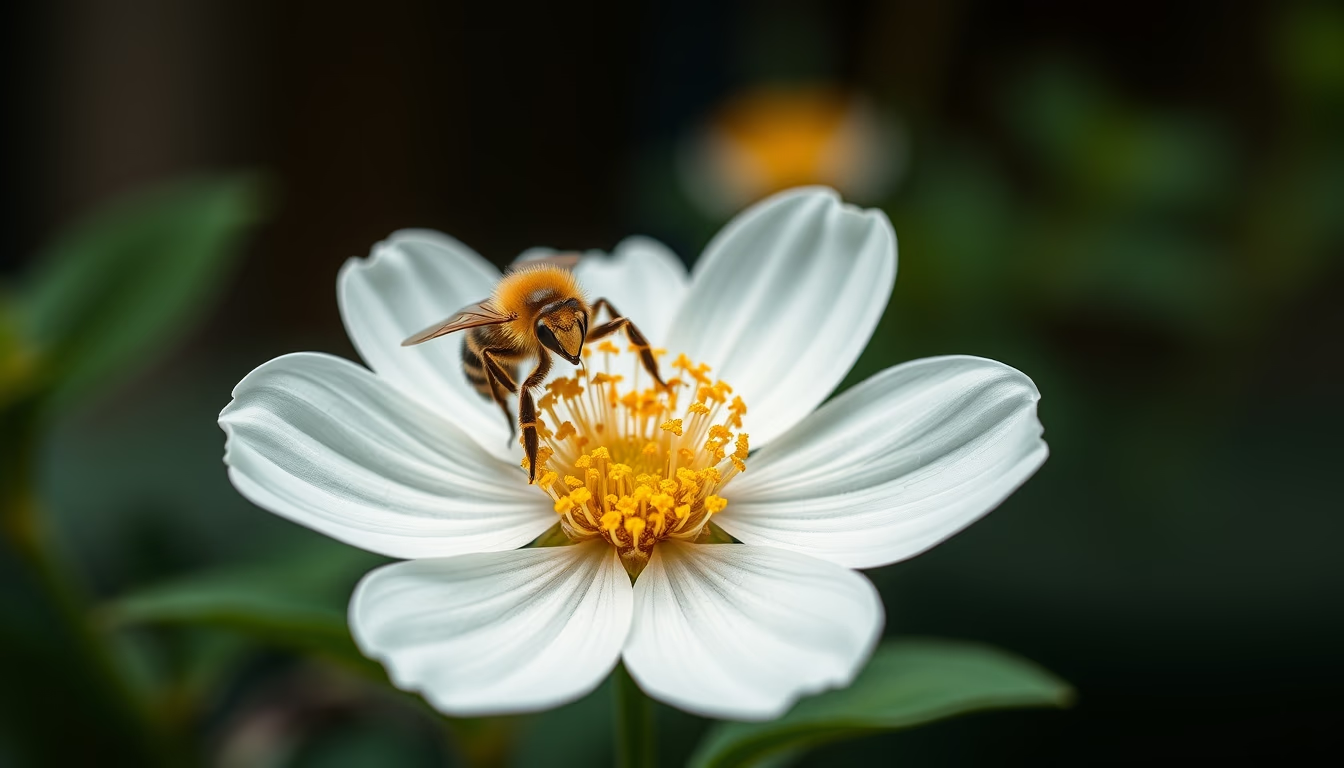
Bees collect pollen from flowers to feed their colonies, playing a vital role in pollinating agricultural crops and natural ecosystems.
About this subject
The relationship between bees and flowers is one of the most emblematic examples of mutualism in nature. Bees visit flowers to collect nectar and pollen, the latter being the main protein source for larval development. During this process, pollen grains stick to the bees' hairy bodies and are transferred to other flowers, ensuring cross‑pollination. It is estimated that about 75% of flowering plants depend on animal pollinators, with bees accounting for a large portion of this ecological service.
In Brazil, beekeeping with European honey bees (Apis mellifera) coexists with native stingless bees, such as those from the genus Melipona, which are also important pollinators. Pollen collection by bees is a meticulous process: they moisten the grains with nectar or saliva and pack them into baskets on their hind legs, forming so‑called 'corbiculae'. A single colony of Apis mellifera can collect up to 20 kg of pollen per year, depending on floral availability.
Despite their importance, bees face global threats such as pesticide use, habitat loss, and climate change. The decline of bee populations has raised concerns about food security, as many crops like apples, coffee, and almonds directly depend on bee pollination. Conservation initiatives, such as creating pollinator gardens and reducing pesticide use, are increasingly encouraged to protect these essential insects.
Frequently Asked Questions
How do bees transport pollen?
Bees moisten pollen grains with nectar or saliva and pack them into specialized structures called corbiculae on their hind legs. This allows them to carry large loads back to the colony.
Why are bees important for agriculture?
About one‑third of the food we eat depends on bee pollination. Crops like apples, coffee, almonds, and many fruits have increased yields thanks to the pollinating activity of bees.
Do all bees produce honey?
No. Only social bees, such as Apis mellifera, produce honey in significant quantities. Many solitary bee species also visit flowers and pollinate, but they do not store honey.
Direct URL
https://pub-c7d6a6ea828543ac903a74a341ccb2e1.r2.dev/imagens/bee-on-flower-pollen-architectural-photography-p3.avifHow to credit
Include a visible link back to UtilizAí. Copy one of the snippets below:
<a href="https://xn--utiliza-eza.com/en/midia/imagens/bee-on-flower-pollen-architectural-photography-p3">Bee on flower pollen</a> by <a href="https://xn--utiliza-eza.com">UtilizAí</a>, licensed under <a href="https://creativecommons.org/licenses/by/4.0/">CC BY 4.0</a>.
[Bee on flower pollen](https://xn--utiliza-eza.com/en/midia/imagens/bee-on-flower-pollen-architectural-photography-p3) by [UtilizAí](https://xn--utiliza-eza.com), CC BY 4.0
License: CC-BY-4.0