Backpack on trail moss
1344×768 · AVIF · CC BY 4.0
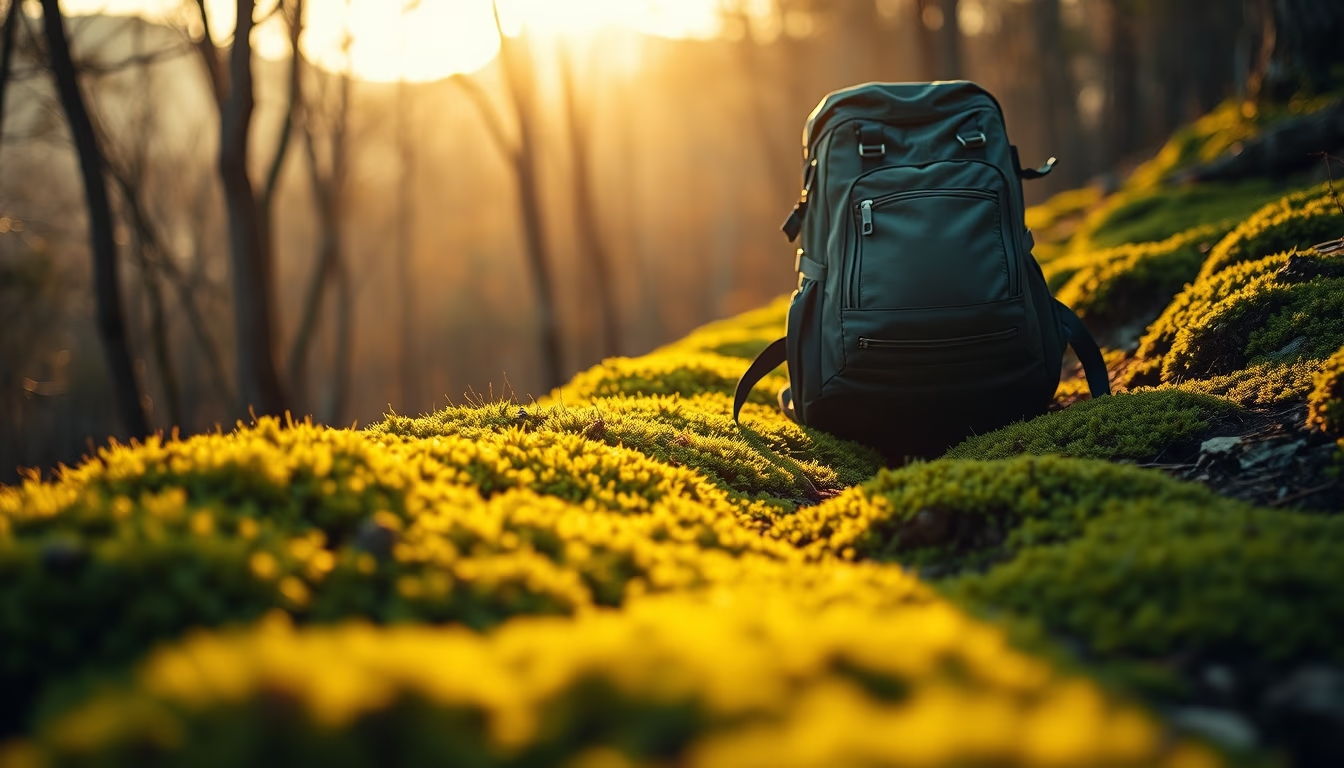
A backpack strategically placed on carpets of moss along a remote trail invites reflection on the connection between adventure gear and the delicate ecosystems travelers explore.
About this subject
The moss covering the trail floor is not merely an aesthetic detail but an essential bioindicator of environmental health. Species such as Hypnum and Leucobryum form colonies that retain moisture, prevent erosion, and shelter tiny invertebrates. In high-altitude regions or tropical forests, moss can absorb up to 20 times its weight in water, creating micro-habitats that sustain everything from lichens to small ferns.
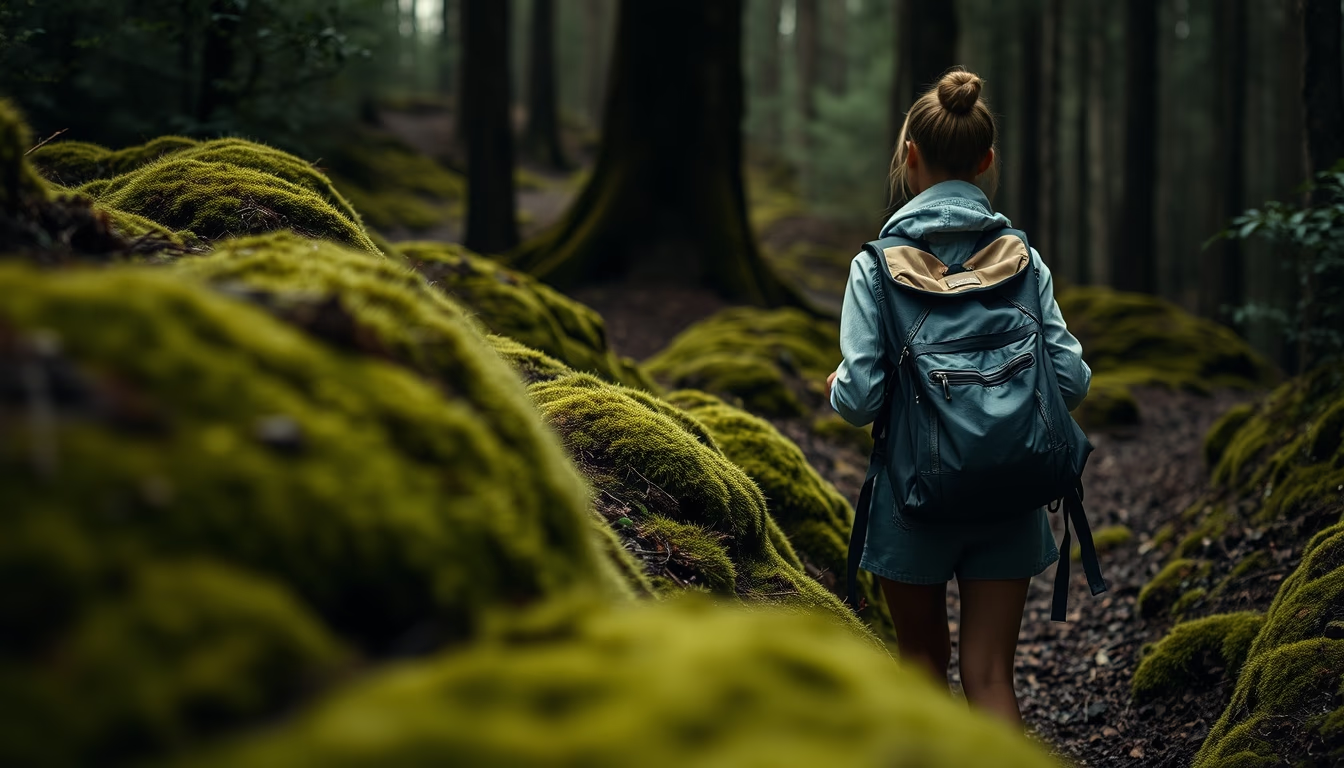
For the traveler carrying a backpack through these landscapes, contact with moss demands adherence to Leave No Trace principles. Walking on the green carpet can damage fragile structures that take years to regenerate. Travel photography, in this context, gains a documentary purpose: capturing the texture and color of moss in different seasons, lighting, and low angles highlights the complexity of an often-overlooked ecosystem.
Choosing a backpack for expeditions in mossy environments involves considering resistance to moisture and mold. Materials like ripstop nylon with DWR treatment protect the contents, while side pockets allow quick access to items like a magnifying glass or field notebook. On trails in Patagonia, Scotland, or Brazil's Serra da Mantiqueira, moss presents both a navigation challenge and an invitation to contemplation, each step reveals green patterns that vary with sun exposure and soil composition.
In trekking culture, pausing to observe moss is an act of slow travel. Mountain guides often note that the most moss-covered areas indicate humid, shady microclimates, favorable for finding springs or rare orchid species. The backpack, during such a pause, becomes a compositional element connecting the human to the landscape, a record that, when shared, inspires others to value and protect these natural nooks.
Frequently Asked Questions
Why is moss important for hiking trails?
Moss retains soil moisture, prevents erosion, and provides habitat for microfauna. Its presence also indicates good air quality and low human impact, signaling a healthy ecosystem.
How to photograph moss on trails without damaging it?
Use a macro lens or get close carefully without stepping on the area. Shoot in soft natural light (early morning or late afternoon) to highlight textures. Never pull or remove moss to compose the shot.
What kind of backpack is recommended for humid mossy environments?
Backpacks with waterproof fabric or a rain cover are ideal. Look for models with sealed external pockets and easy access to moisture protection gear, such as dry bags for electronic items.
Direct URL
https://pub-c7d6a6ea828543ac903a74a341ccb2e1.r2.dev/imagens/backpack-on-trail-moss-travel-photography-p4.avifHow to credit
Include a visible link back to UtilizAí. Copy one of the snippets below:
<a href="https://xn--utiliza-eza.com/en/midia/imagens/backpack-on-trail-moss-travel-photography-p4">Backpack on trail moss</a> by <a href="https://xn--utiliza-eza.com">UtilizAí</a>, licensed under <a href="https://creativecommons.org/licenses/by/4.0/">CC BY 4.0</a>.
[Backpack on trail moss](https://xn--utiliza-eza.com/en/midia/imagens/backpack-on-trail-moss-travel-photography-p4) by [UtilizAí](https://xn--utiliza-eza.com), CC BY 4.0
License: CC-BY-4.0