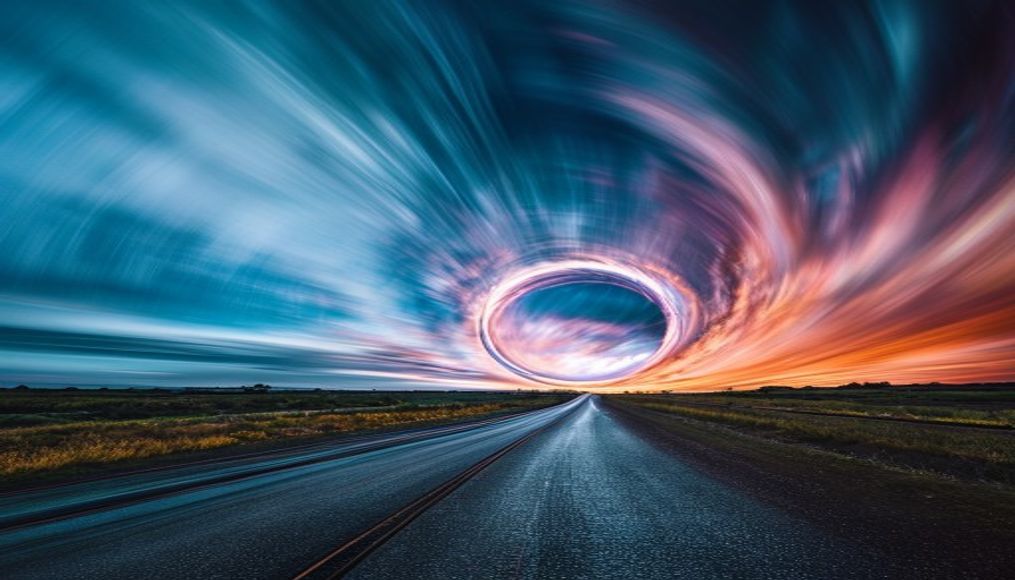
Aurora over snow lake
1344×768 · AVIF · CC BY 4.0
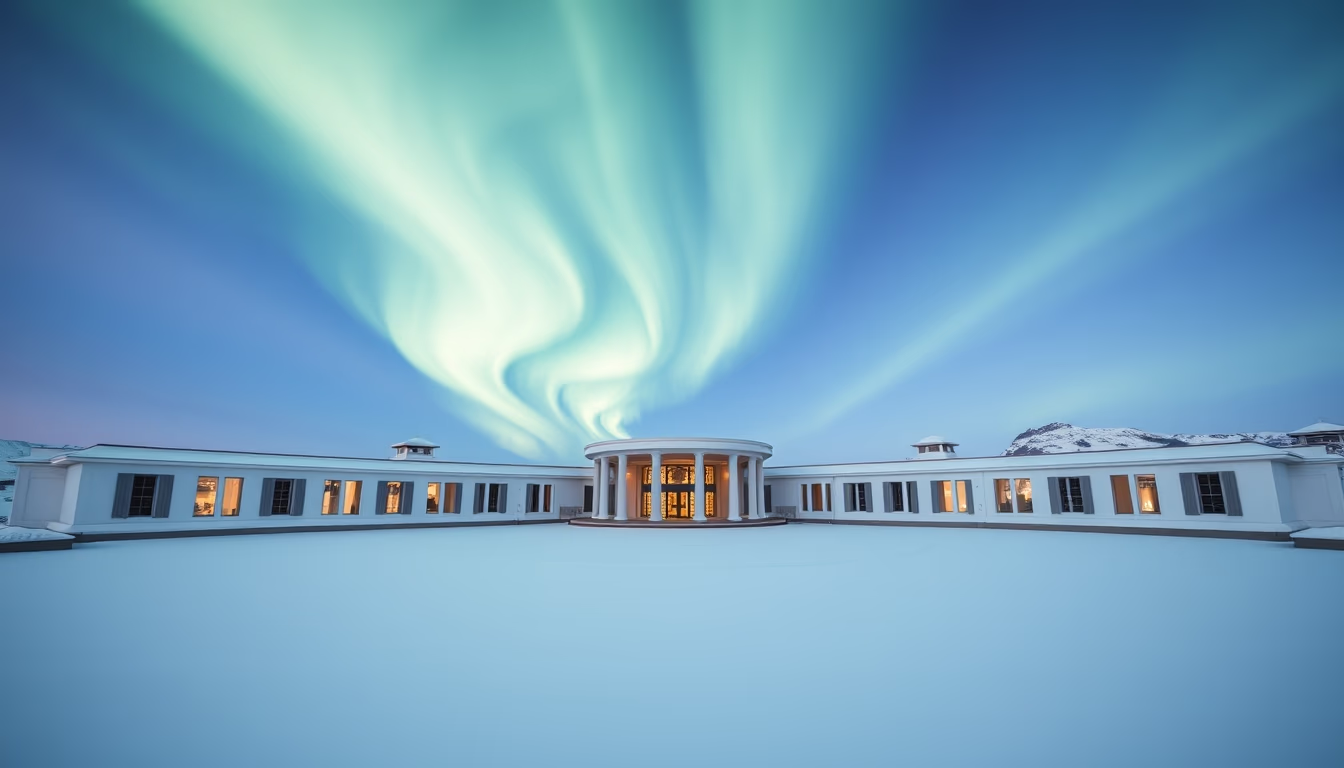
The aurora borealis over a frozen lake is a stunning natural phenomenon, combining colorful lights and icy landscapes in polar regions.
About this subject
The aurora borealis, also known as the northern lights, is a luminous spectacle that occurs in polar regions when charged particles from the solar wind collide with Earth's atmosphere. This phenomenon is most common at latitudes between 60 and 75 degrees, frequently observed in countries like Norway, Sweden, Finland, Canada, and Alaska. The predominant green color results from the excitation of oxygen molecules at altitudes of 100 to 300 km, while red and purple appear at higher altitudes or during stronger solar activity.
Frozen lakes, such as those found in Finnish Lapland or northern Canada, offer unique reflections of the aurora, enhancing the visual display. The smooth ice surface acts as a natural mirror, doubling the curtains of light in the sky. The best time to observe the phenomenon is during winter, when nights are long and dark, especially between September and March. Locations with little light pollution, like national parks or remote areas, are ideal.
Interestingly, the aurora borealis has been a source of inspiration in Norse and indigenous mythologies, seen as messengers of the gods or souls of ancestors. Scientifically, its study helps understand the interaction between the Sun and Earth's magnetic field, also influencing satellite communication technology. The aurora's intensity is linked to the 11-year solar cycle, with activity peaks predicted for 2025-2026, making the coming years especially favorable for observers.
Frequently Asked Questions
What causes the different colors of the aurora borealis?
The colors depend on the type of molecule or atom being excited and the altitude. Green comes from oxygen at 100-300 km. Red occurs above 300 km, also from oxygen. Purple and blue are produced by nitrogen at lower altitudes, between 80 and 100 km.
What is the best time of year to see the aurora borealis?
The best time is during winter, from September to March in the Northern Hemisphere, when nights are longer and darker. Locations near the magnetic poles, such as northern Scandinavia, Canada, and Alaska, offer the highest chances.
Can the aurora borealis be seen in tropical regions?
Yes, but it's rare. During extreme solar storms, the aurora can be visible at lower latitudes. Historical cases include sightings in the Caribbean and southern Europe, but these occur only a few times per century.
Direct URL
https://pub-c7d6a6ea828543ac903a74a341ccb2e1.r2.dev/imagens/aurora-over-snow-lake-architectural-photography-p0.avifHow to credit
Include a visible link back to UtilizAí. Copy one of the snippets below:
<a href="https://xn--utiliza-eza.com/en/midia/imagens/aurora-over-snow-lake-architectural-photography-p0">Aurora over snow lake</a> by <a href="https://xn--utiliza-eza.com">UtilizAí</a>, licensed under <a href="https://creativecommons.org/licenses/by/4.0/">CC BY 4.0</a>.
[Aurora over snow lake](https://xn--utiliza-eza.com/en/midia/imagens/aurora-over-snow-lake-architectural-photography-p0) by [UtilizAí](https://xn--utiliza-eza.com), CC BY 4.0
License: CC-BY-4.0