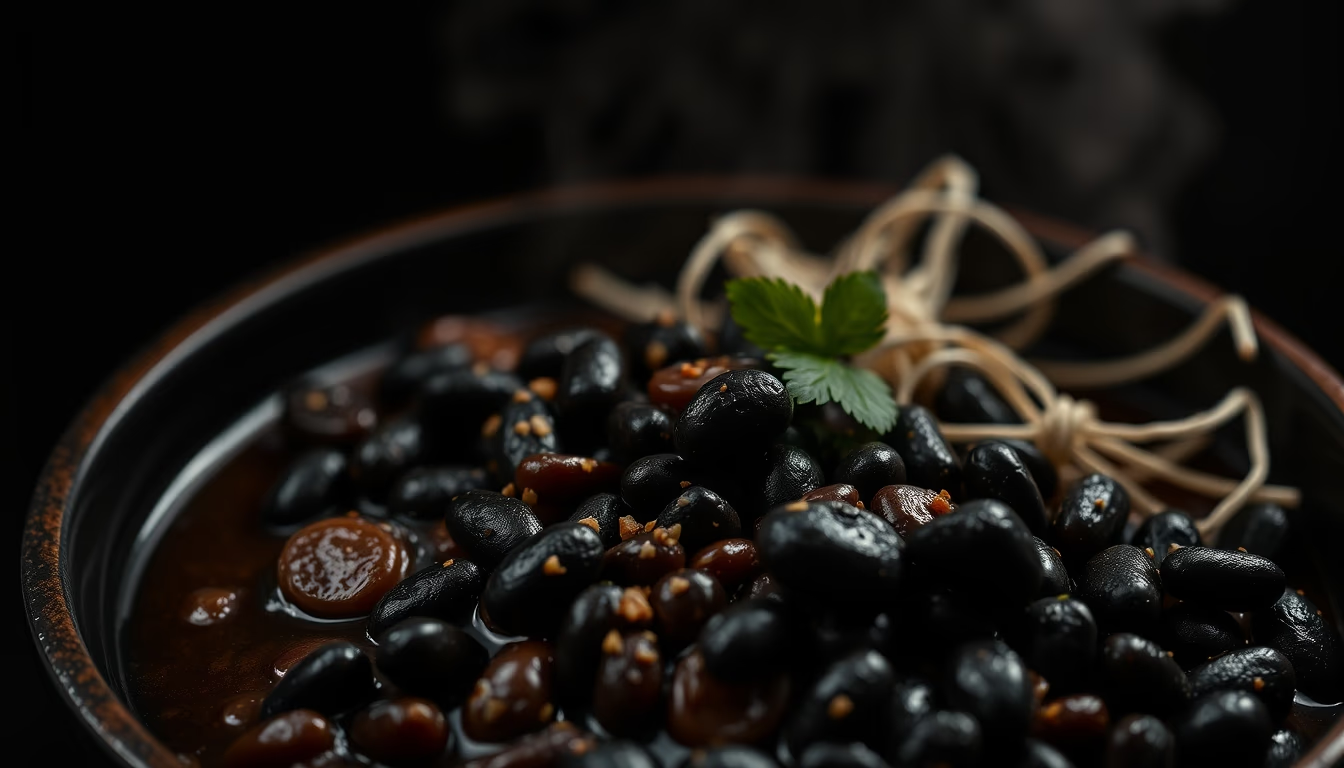
Asado argentine grill
1344×768 · AVIF · CC BY 4.0
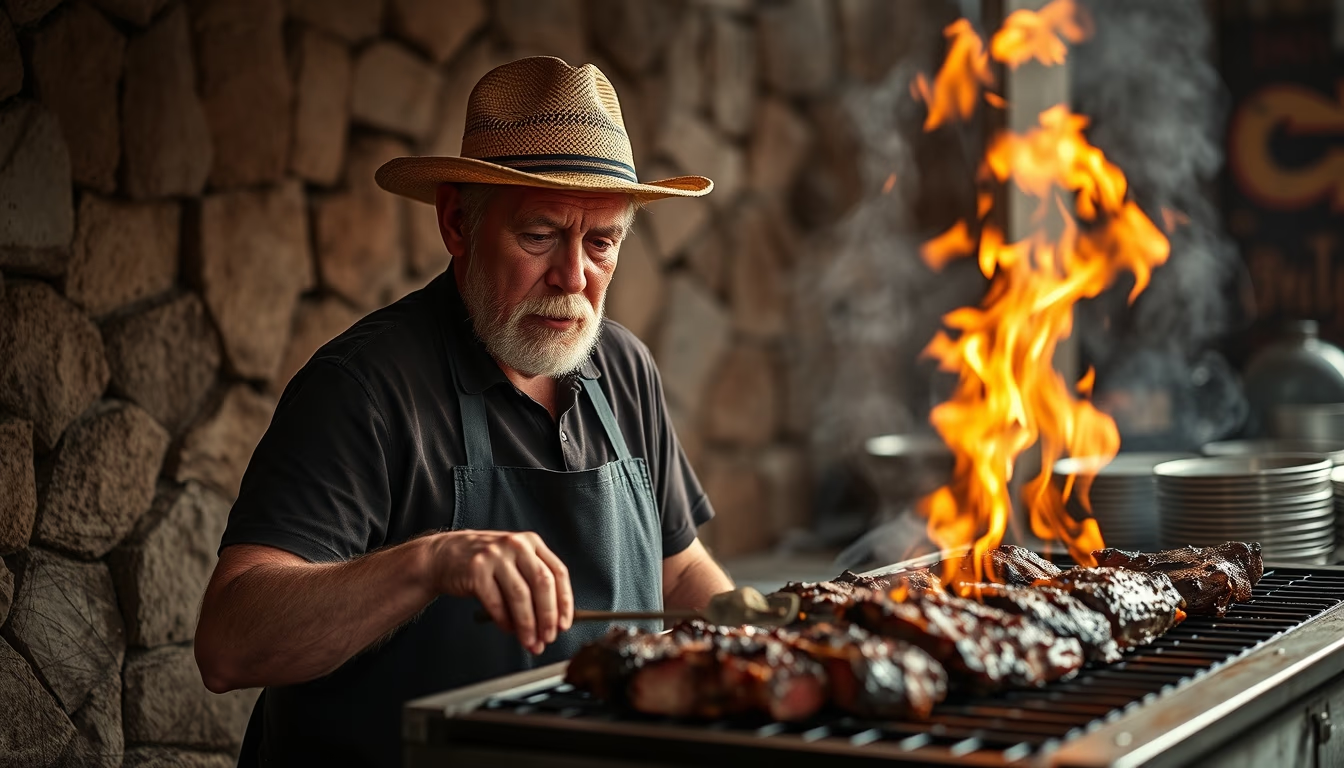
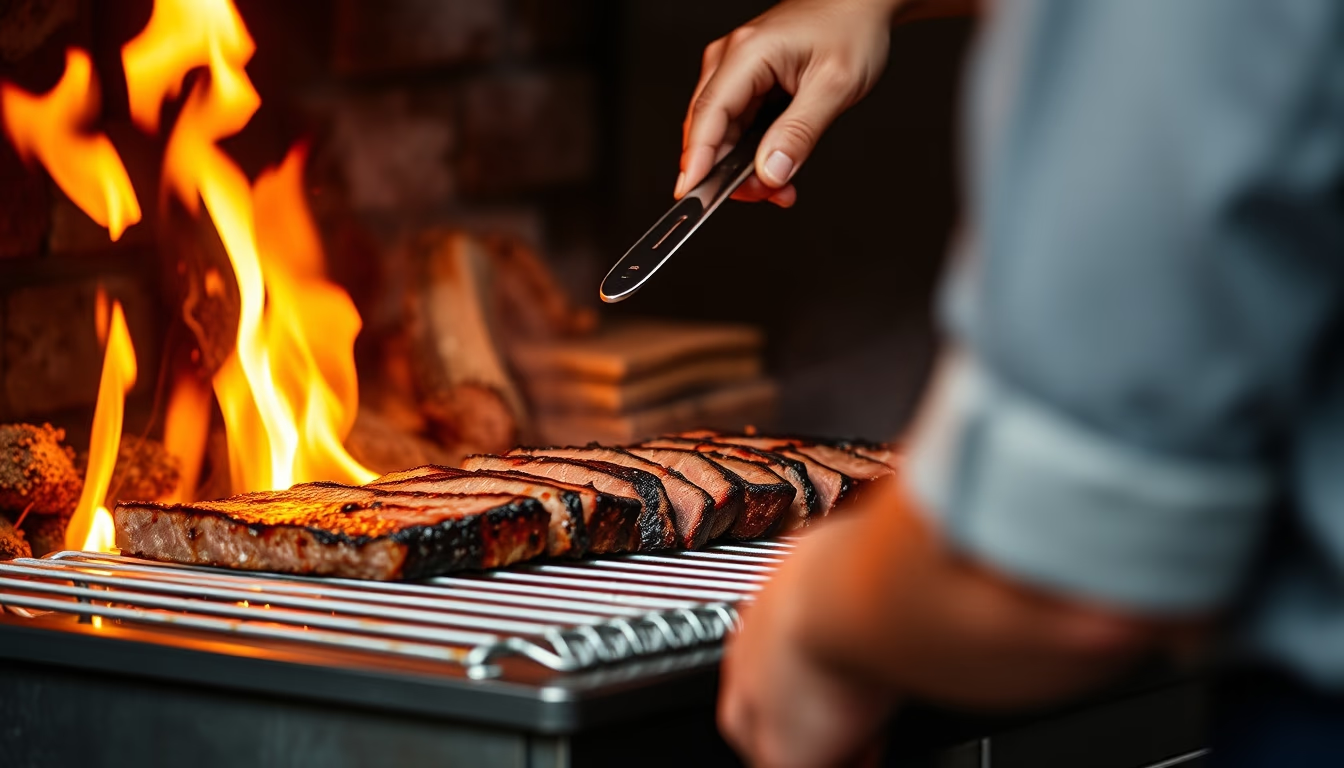
The Argentine asado is a gastronomic ritual combining slow-grilled meat, gaucho tradition, and strong social value.
About this subject
The Argentine asado is far more than a simple barbecue: it represents the cultural and gastronomic soul of Argentina. Originating from the gauchos who roamed the Pampas plains in the 19th century, the asado preserves rustic cooking techniques over embers, transforming the act of grilling meat into a family and community celebration.
The central technique involves cooking meat slowly over a ground fire using wood or charcoal, without direct flames. Typical cuts include asado de tira (ribs), vacío (flank steak), chorizo, and morcilla (blood sausage). Each piece is seasoned only with coarse salt to highlight natural flavors. The parrilla, a slanted grill, is the essential tool, while chimichurri and provoleta are classic accompaniments.
Asado brings together family and friends for entire afternoons, accompanied by red wine and mate. The asador (grill master) controls the fire and patience, as the process can take hours. Unlike Brazilian churrasco, which uses skewers and quick charcoal, asado prioritizes low heat and smoky flavors. This practice was declared an Intangible Cultural Heritage of Argentina in 2014.
Today, asado has crossed borders and is enjoyed worldwide, with regional variations in cuts and seasonings. Specialized restaurants spread the experience, but the true asado happens in Argentine homes, keeping alive a tradition that unites people around the fire.
Frequently Asked Questions
What is the difference between Argentine asado and Brazilian churrasco?
Argentine asado uses a ground fire with wood or charcoal, slow cooking, and cuts like ribs and flank steak. Brazilian churrasco typically uses skewers and quick charcoal, with cuts like picanha and rump. Asado emphasizes smoky flavor and patience, while churrasco focuses on juiciness and speed.
Which meat cuts are typical for asado?
Common cuts include asado de tira (short ribs), vacío (flank steak), matambre (flank steak with fat), chorizo (fresh sausage), morcilla (blood sausage), and mollejas (sweetbreads). It also includes provoleta (grilled cheese) and grilled vegetables.
How do you prepare the ideal fire for an asado?
The fire is made with hardwood such as algarrobo or quebracho, or natural charcoal. Embers are formed slowly and then spread under the parrilla. Meat is placed when the coals are covered with white ash, ensuring even heat without flames.
Direct URL
https://pub-c7d6a6ea828543ac903a74a341ccb2e1.r2.dev/imagens/asado-argentine-grill-documentary-photography-fresh5.avifHow to credit
Include a visible link back to UtilizAí. Copy one of the snippets below:
<a href="https://xn--utiliza-eza.com/en/midia/imagens/asado-argentine-grill-documentary-photography-fresh5">Asado argentine grill</a> by <a href="https://xn--utiliza-eza.com">UtilizAí</a>, licensed under <a href="https://creativecommons.org/licenses/by/4.0/">CC BY 4.0</a>.
[Asado argentine grill](https://xn--utiliza-eza.com/en/midia/imagens/asado-argentine-grill-documentary-photography-fresh5) by [UtilizAí](https://xn--utiliza-eza.com), CC BY 4.0
License: CC-BY-4.0