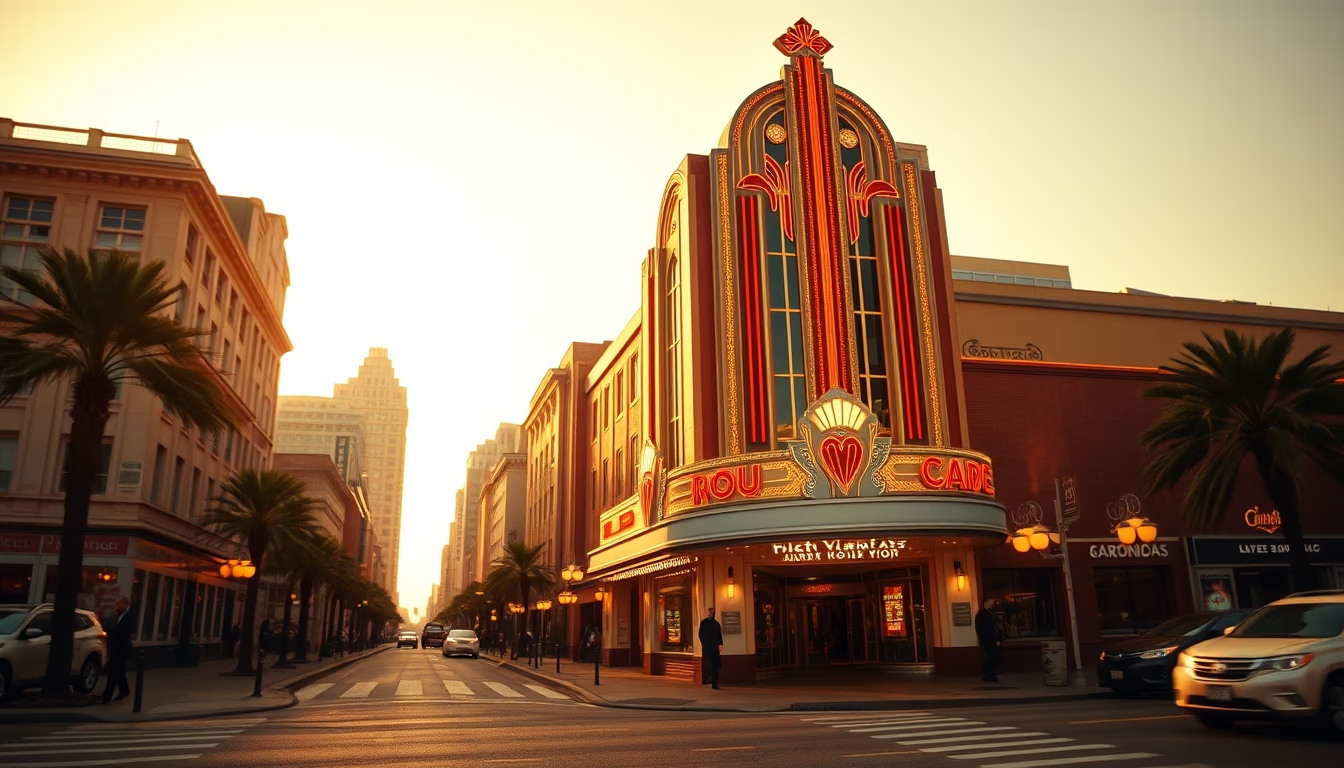
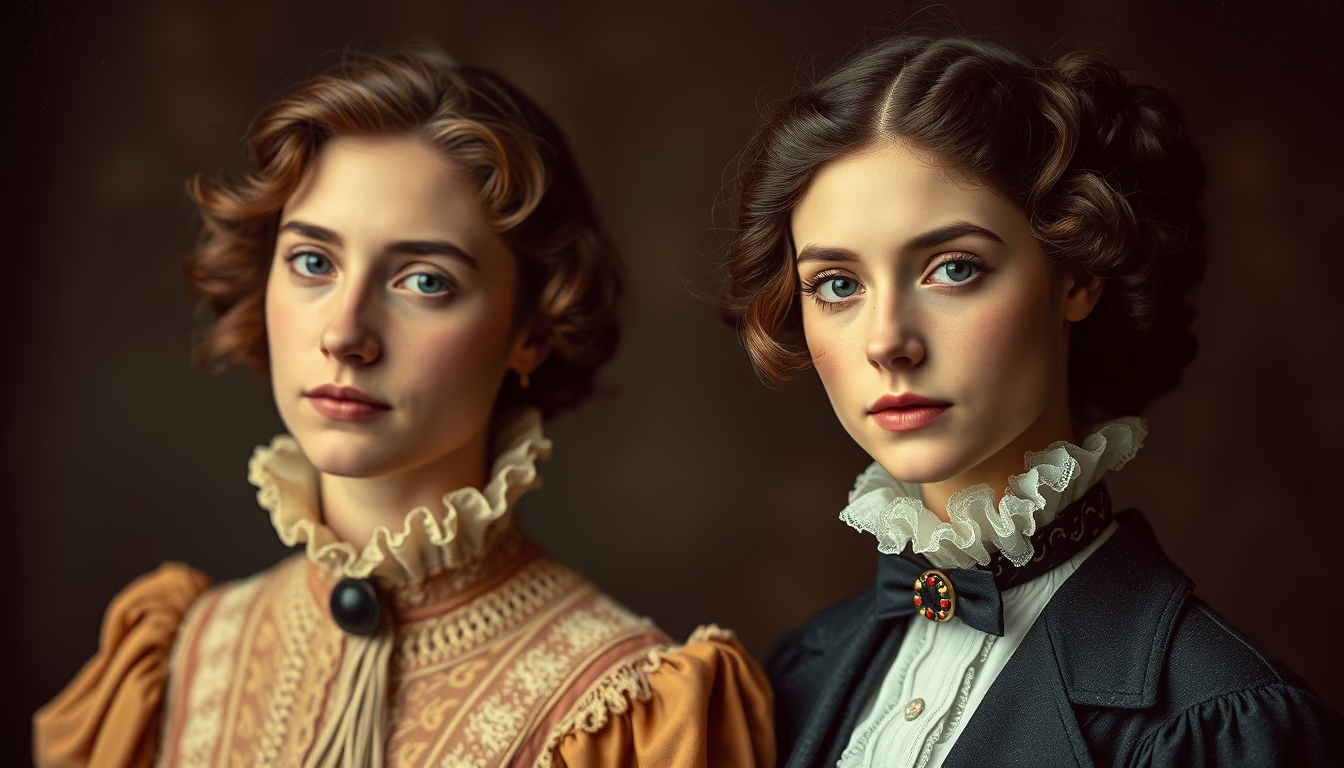
Art deco postcard
1344×768 · AVIF · CC BY 4.0
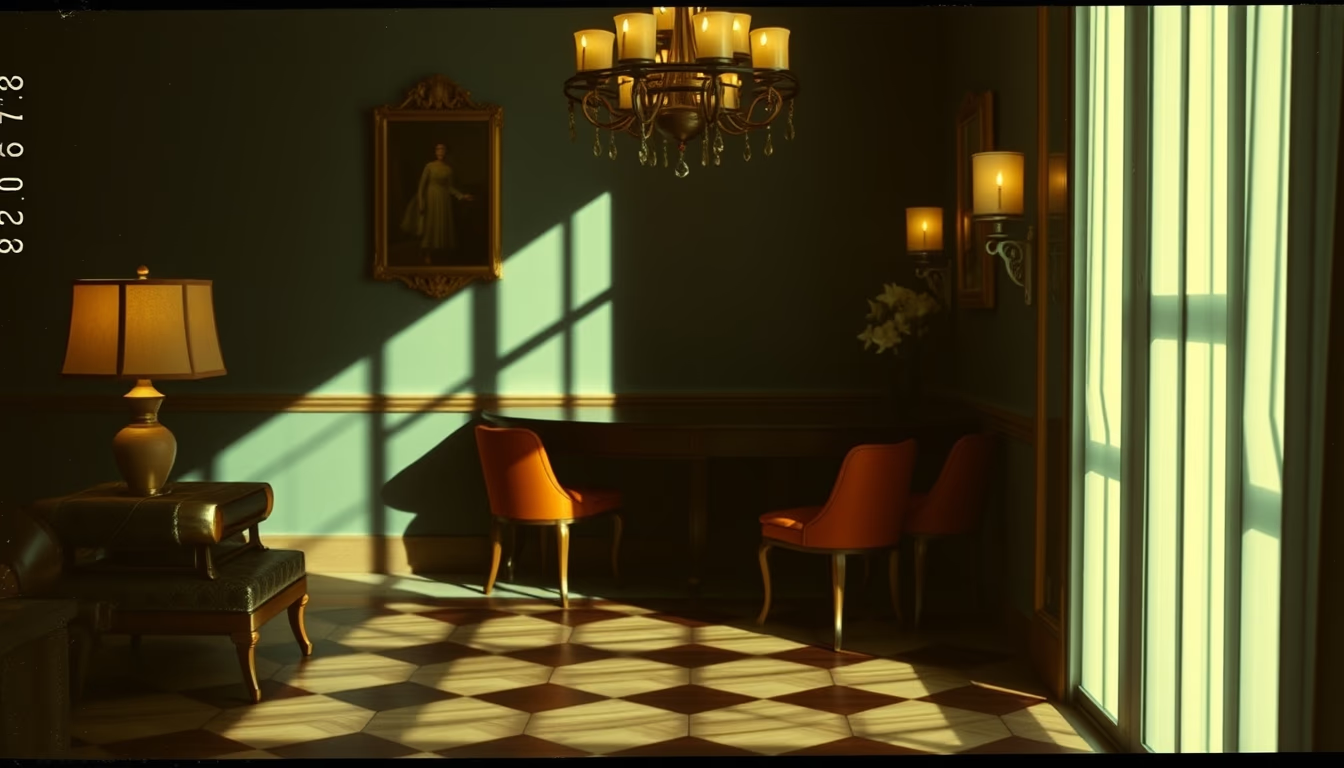
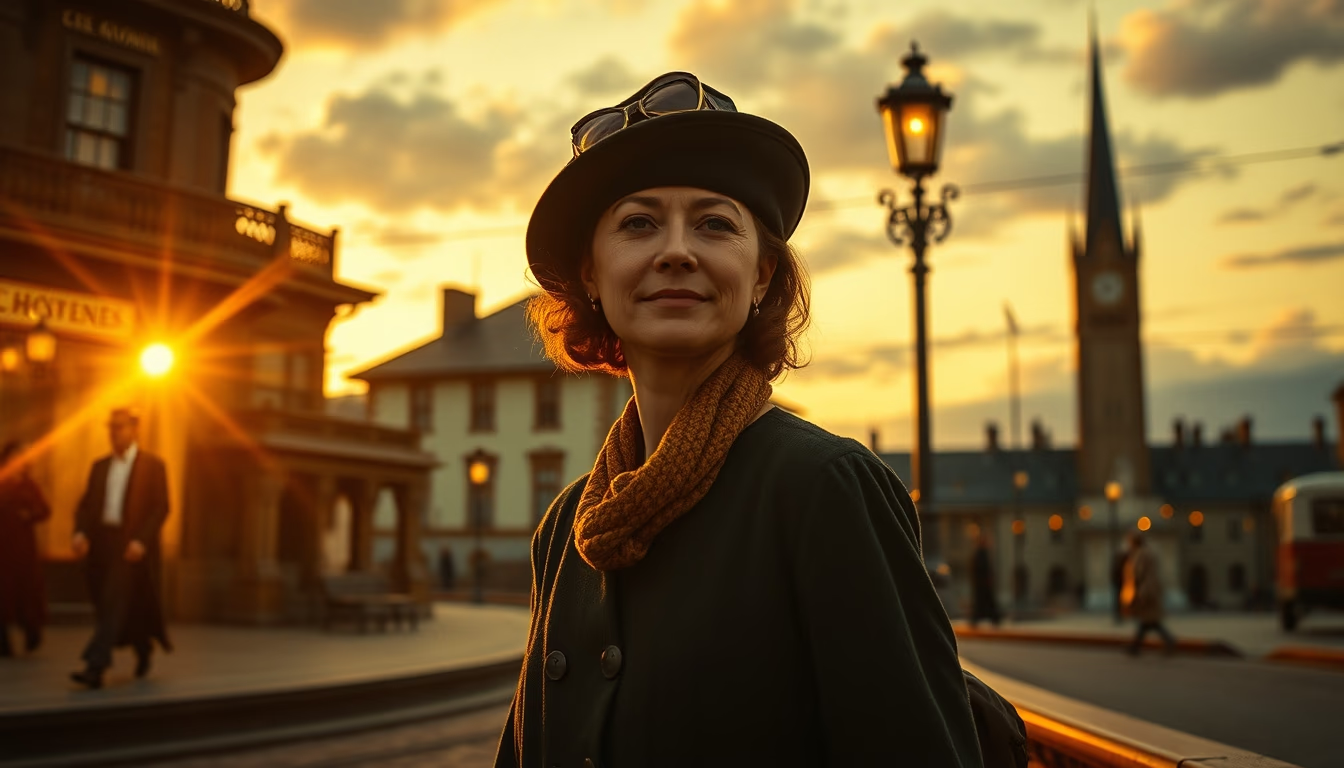
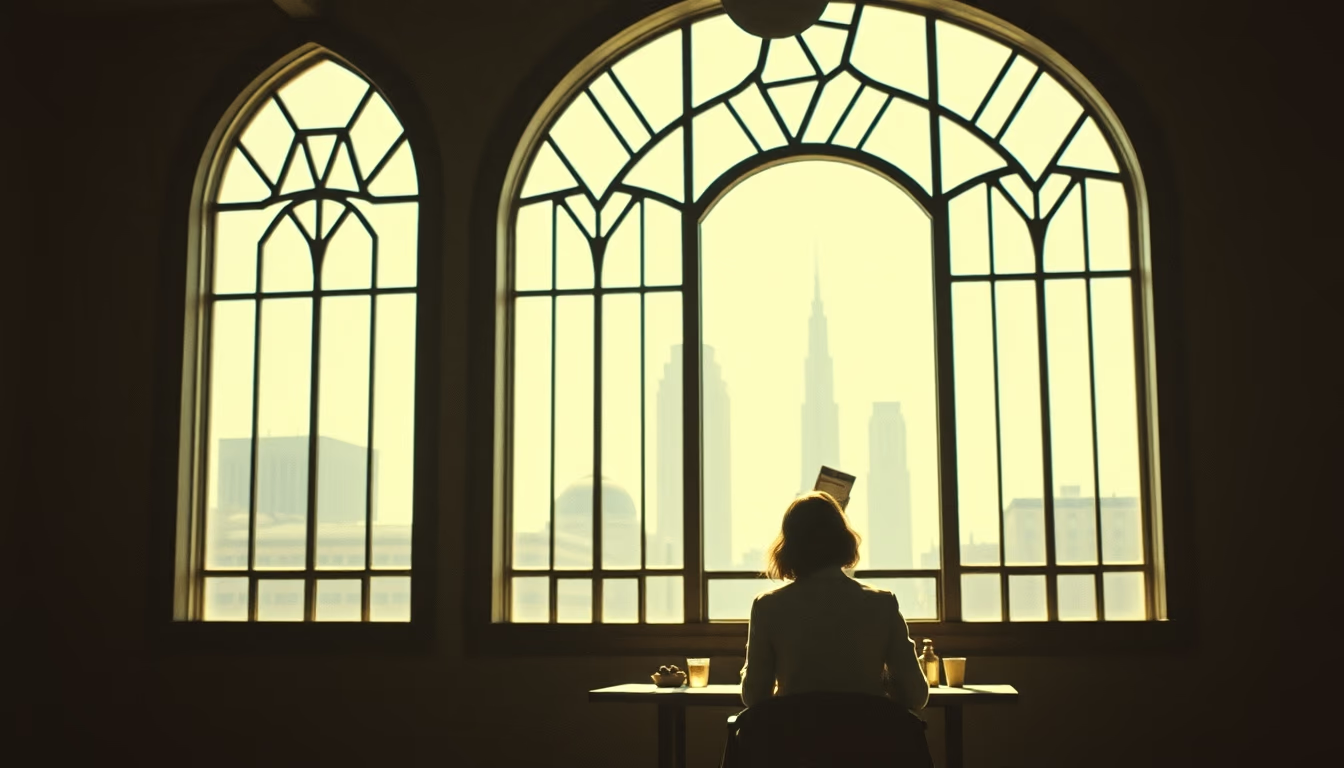
Art deco postcard featuring Rembrandt lighting, emphasizing dramatic contrasts of light and shadow.
About this subject
Art deco was a dominant artistic and architectural movement in the 1920s and 1930s, known for geometric forms, straight lines, luxurious ornamentation, and vibrant colors. Postcards from this period often depicted urban scenes, portraits, and decorative motifs, reflecting the modernity and glamour of the era. Rembrandt lighting, on the other hand, is a photographic lighting technique inspired by the Dutch painter, creating a triangle of light on the subject's cheek while the rest of the face remains in shadow. This technique was widely used in photographic studios during the 1930s and 1940s to create dramatic and elegant portraits.
The combination of art deco and Rembrandt lighting on a postcard suggests a piece that merges graphic design and photography, possibly a portrait of a female figure with typical art deco attire and jewelry, illuminated to emphasize emotional depth. Such postcards were popular for personal correspondence and as collectible items, often sold in department stores or by local artists. Their production involved printing techniques like lithography and photogravure, allowing fine details and strong contrasts.
In Brazil, art deco heavily influenced cities like São Paulo and Rio de Janeiro, with landmarks such as the Copan Building and Pacaembu Stadium. Although Brazilian postcards of the era were more focused on landscapes and civic events, stylized portraits can still be found. Rembrandt lighting was popularized by photographers like Edward Steichen and Cecil Beaton, who worked for fashion magazines. This technique remains a reference in portrait photography today.
Interestingly, the term 'Rembrandt lighting' was not used during the art deco period; it emerged later in photographic history. Even so, many studio photographers of the 1930s already applied this principle intuitively. A postcard combining these elements offers a window into the aesthetics of an era that valued the modern and sophisticated.
Frequently Asked Questions
What characterizes art deco style in postcards?
Art deco postcards are marked by geometric shapes, straight lines, vibrant colors, and luxurious ornaments, often depicting urban scenes, elegant portraits, and decorative motifs that symbolize modernity and glamour.
What is Rembrandt lighting and why is it used in portraits?
Rembrandt lighting is a technique that creates a triangle of light on the subject's cheek while the rest of the face is in shadow, producing dramatic contrast. It is used to add depth and emotion to portraits, popular in studio photography of the 1930s and 1940s.
How were art deco postcards produced and sold?
They were primarily produced using lithography and photogravure, allowing fine details. Sold in department stores, stationery shops, and by local artists, they served both personal correspondence and collectible items.
Direct URL
https://pub-c7d6a6ea828543ac903a74a341ccb2e1.r2.dev/imagens/art-deco-postcard-rembrandt-lighting-dramatic-shadows-fresh16.avifHow to credit
Include a visible link back to UtilizAí. Copy one of the snippets below:
<a href="https://xn--utiliza-eza.com/en/midia/imagens/art-deco-postcard-rembrandt-lighting-dramatic-shadows-fresh16">Art deco postcard</a> by <a href="https://xn--utiliza-eza.com">UtilizAí</a>, licensed under <a href="https://creativecommons.org/licenses/by/4.0/">CC BY 4.0</a>.
[Art deco postcard](https://xn--utiliza-eza.com/en/midia/imagens/art-deco-postcard-rembrandt-lighting-dramatic-shadows-fresh16) by [UtilizAí](https://xn--utiliza-eza.com), CC BY 4.0
License: CC-BY-4.0