Art deco hotel lobby
1344×768 · AVIF · CC BY 4.0
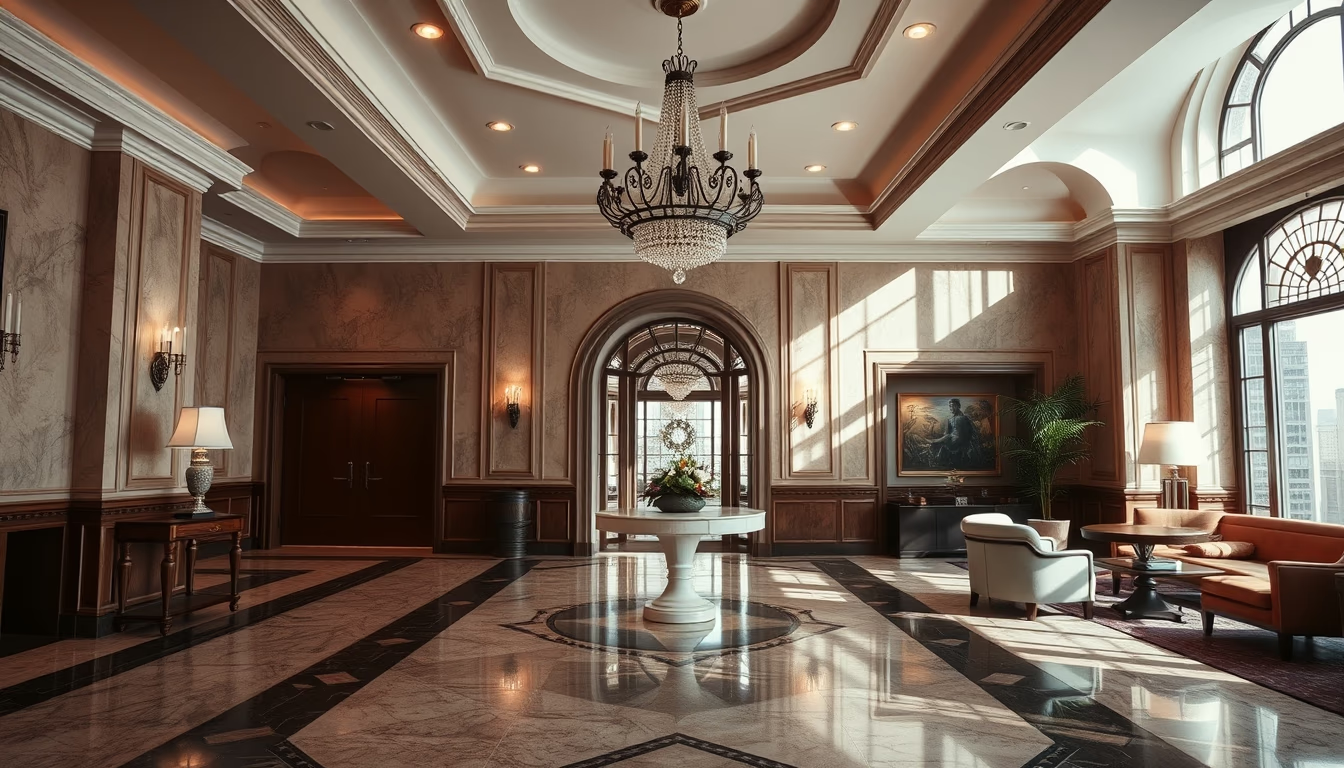
An Art Deco hotel lobby combines geometry, luxury and elegance from the 1920s and 1930s, shaping hotel architecture worldwide.
About this subject
Art Deco flourished between the two world wars, especially after the 1925 International Exhibition of Modern Decorative and Industrial Arts in Paris. In hotels, lobbies became showcases of this movement, featuring geometric forms, straight lines, and stylized ornamentation. Noble materials like marble, brass, exotic wood, and frosted glass were used to create sophisticated and welcoming atmospheres.
In the United States, the Jazz Age spurred the construction of grand hotels with monumental lobbies. Iconic examples include The Carlyle in New York and The Biltmore in Los Angeles, where crystal chandeliers, zigzag patterns, and chrome frescoes reinforce the era's glamour. In Brazil, the Hotel Glória in Rio de Janeiro and Hotel Esplanada in São Paulo also adopted the style, adapting it to the tropical climate with vibrant colors and generous ventilation.
Despite its decline after World War II, Art Deco is experiencing a revival in contemporary interior design. Modern hotels often reinterpret its elements, such as chevron panels, beveled mirrors, and streamlined furniture, to evoke nostalgia without sacrificing functionality. Indirect lighting and repetitive patterns remain hallmarks of this elegant style.
Interestingly, many original lobbies have been restored in recent decades, like those at the Waldorf Astoria in New York and the Hotel Nacional de Havana. These spaces not only preserve hospitality history but also inspire new generations of architects and designers to explore the harmony between tradition and modernity.
Frequently Asked Questions
What are the main features of an Art Deco hotel lobby?
Geometric shapes (zigzags, circles, sunbursts), luxurious materials like marble and brass, indirect lighting, and vibrant or metallic colors. Streamlined furniture and repeating patterns are also common.
Where can I see preserved Art Deco lobbies today?
Notable examples include the Waldorf Astoria (New York), Hotel Nacional de Cuba (Havana), The Carlyle (New York), and Hotel Glória (Rio de Janeiro). Many have been restored and maintain original elements.
Why is Art Deco associated with luxury hotels?
It epitomizes the sophistication and glamour of the 1920s, using expensive materials and exclusive design. Hotels used these lobbies to impress guests and convey status.
Direct URL
https://pub-c7d6a6ea828543ac903a74a341ccb2e1.r2.dev/imagens/art-deco-hotel-lobby-magazine-editorial-p4.avifHow to credit
Include a visible link back to UtilizAí. Copy one of the snippets below:
<a href="https://xn--utiliza-eza.com/en/midia/imagens/art-deco-hotel-lobby-magazine-editorial-p4">Art deco hotel lobby</a> by <a href="https://xn--utiliza-eza.com">UtilizAí</a>, licensed under <a href="https://creativecommons.org/licenses/by/4.0/">CC BY 4.0</a>.
[Art deco hotel lobby](https://xn--utiliza-eza.com/en/midia/imagens/art-deco-hotel-lobby-magazine-editorial-p4) by [UtilizAí](https://xn--utiliza-eza.com), CC BY 4.0
License: CC-BY-4.0