Aromatherapy oil bottles
1344×768 · AVIF · CC BY 4.0
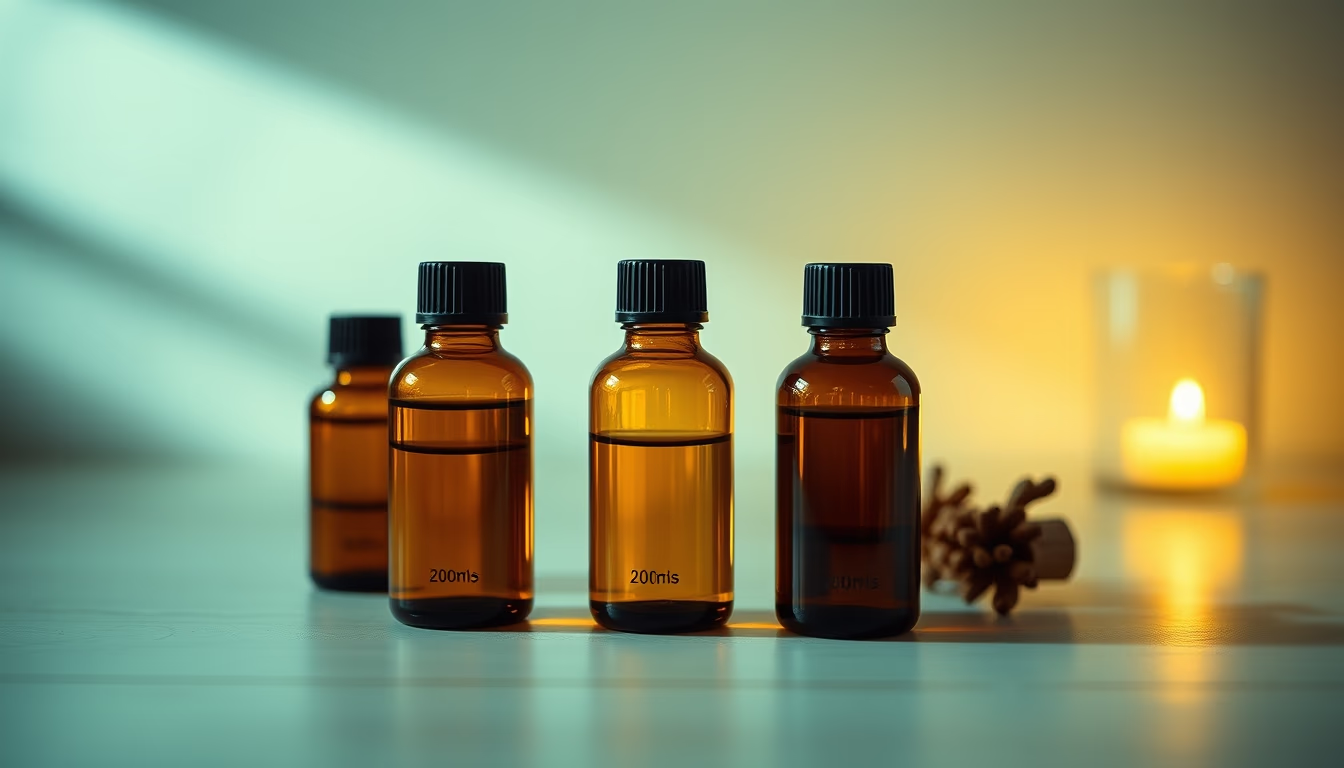
Aromatherapy oil bottles: complete guide on types, uses and precautions in the global market.
About this subject
Aromatherapy uses essential oils extracted from plants to promote physical and emotional well-being. The bottles that store these oils are typically made of amber or cobalt blue glass, protecting the contents from light and extending shelf life. Globally, the essential oil market is projected to reach over $13 billion by 2026, driven by rising demand for natural wellness solutions. Dropper bottles are the most common form, allowing precise dosage. Oil purity is critical; adulterated oils can cause skin irritation or adverse reactions. Regulatory bodies like the FDA in the US and ANVISA in Brazil oversee labeling, but not all products undergo strict testing. Consumers should look for botanical names and batch numbers on labels to ensure quality.
Common bottle sizes include 5 ml, 10 ml, and 30 ml. Smaller bottles are used for precious oils like rose or frankincense, while larger ones hold more affordable oils like lavender or peppermint. The choice of bottle also reflects branding: artisan producers use dark glass with minimal labeling, emphasizing the oil's origin and extraction method. Steam distillation is the most widely used technique, though citrus oils are cold-pressed. Proper storage, away from heat, light, and oxygen, preserves therapeutic properties. Most oils have a shelf life of 1 to 5 years, with citrus oils typically expiring faster.
In daily life, aromatherapy oils are used in diffusers, massage, and baths. Popular oils include lavender for relaxation, tea tree for its antimicrobial properties, and eucalyptus for respiratory support. It is essential to dilute essential oils in a carrier oil before topical use to prevent skin burns or allergies. Pregnant women, children, and pets require extra caution, as some oils can be toxic. Aromatherapy is not a replacement for medical treatment but a complementary practice. The bottles themselves are symbols of this ancient art, now backed by modern research on the effects of plant compounds on the limbic system.
Frequently Asked Questions
What is the difference between amber and cobalt blue glass bottles?
Amber glass blocks UV and blue light, offering better protection. Cobalt blue is more aesthetically pleasing but allows more light. Both work, but amber is preferred for long-term storage.
How long do essential oils last when stored properly?
Most last 2 to 5 years. Citrus oils (orange, lemon) last 1 to 2 years. Resinous oils (patchouli, sandalwood) can last over 5 years. Always check the expiration date.
Can I use any bottle for homemade essential oils?
No. Only use dark glass bottles (amber or cobalt blue) with airtight dropper caps. Avoid plastic, as oils can degrade or leach chemicals. Glass preserves purity.
Direct URL
https://pub-c7d6a6ea828543ac903a74a341ccb2e1.r2.dev/imagens/aromatherapy-oil-bottles-lo-fi-disposable-camera-p3.avifHow to credit
Include a visible link back to UtilizAí. Copy one of the snippets below:
<a href="https://xn--utiliza-eza.com/en/midia/imagens/aromatherapy-oil-bottles-lo-fi-disposable-camera-p3">Aromatherapy oil bottles</a> by <a href="https://xn--utiliza-eza.com">UtilizAí</a>, licensed under <a href="https://creativecommons.org/licenses/by/4.0/">CC BY 4.0</a>.
[Aromatherapy oil bottles](https://xn--utiliza-eza.com/en/midia/imagens/aromatherapy-oil-bottles-lo-fi-disposable-camera-p3) by [UtilizAí](https://xn--utiliza-eza.com), CC BY 4.0
License: CC-BY-4.0