Arepa colombian
1344×768 · AVIF · CC BY 4.0

The Colombian arepa is a versatile cornbread, a staple of the country's cuisine, enjoyed in various forms and fillings.
About this subject
The arepa is an ancestral food originally from the indigenous peoples of the Andean region, made from ground corn or precooked corn flour. In Colombia, it is consumed throughout the country and has remarkable regional variations. Unlike the Venezuelan arepa, which is usually thinner and cut open to be stuffed, the Colombian arepa tends to be thicker and can be served open with butter, cheese, or as a side dish for main courses like bandeja paisa.
There are dozens of types of arepa in Colombia. The arepa de choclo, made with sweet corn, is typical of the Andean region and often served with butter and cheese. The arepa paisa, originating from Antioquia, is large and thin, ideal for fillings. The arepa de huevo, from the Caribbean coast, has a fried egg in the center and is deep-fried, resulting in a crispy texture. Other varieties include arepa de maíz pelado (nixtamalized corn) and arepa de yuca (cassava), common in some areas.
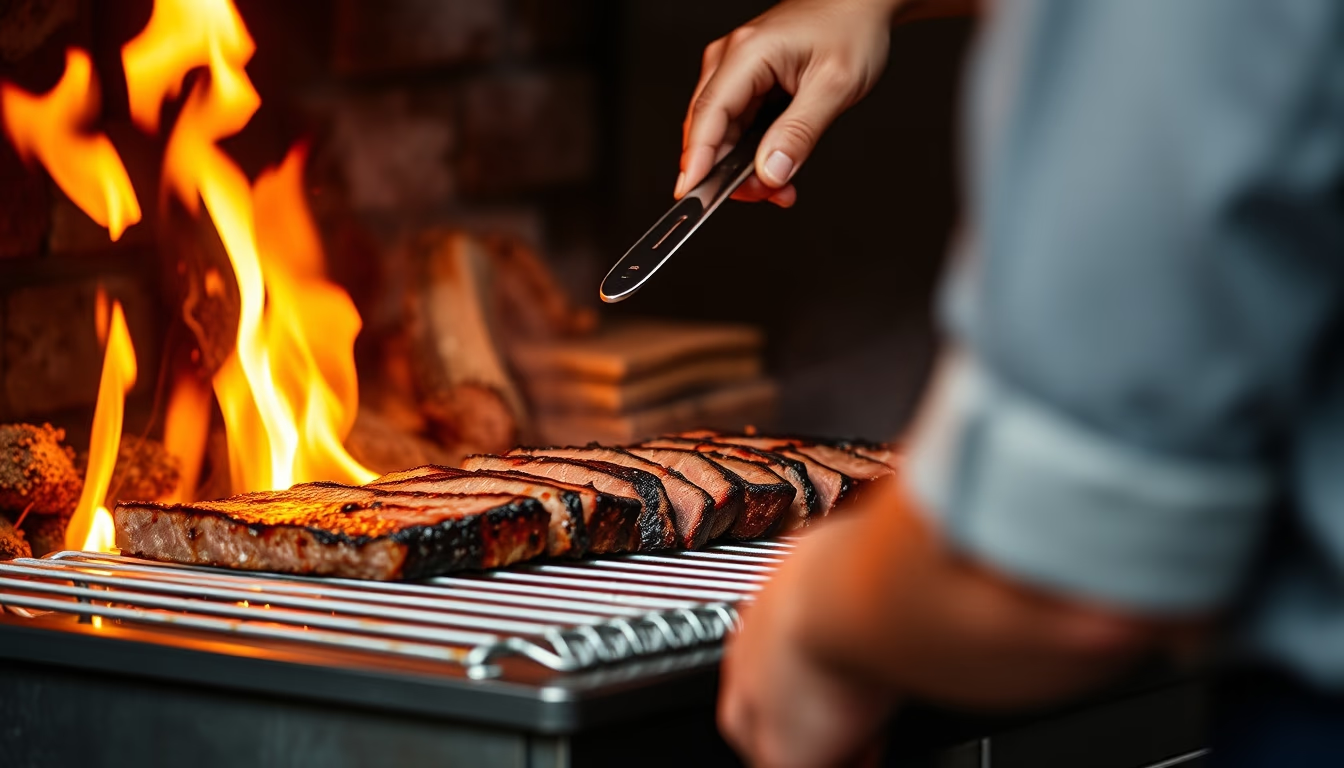
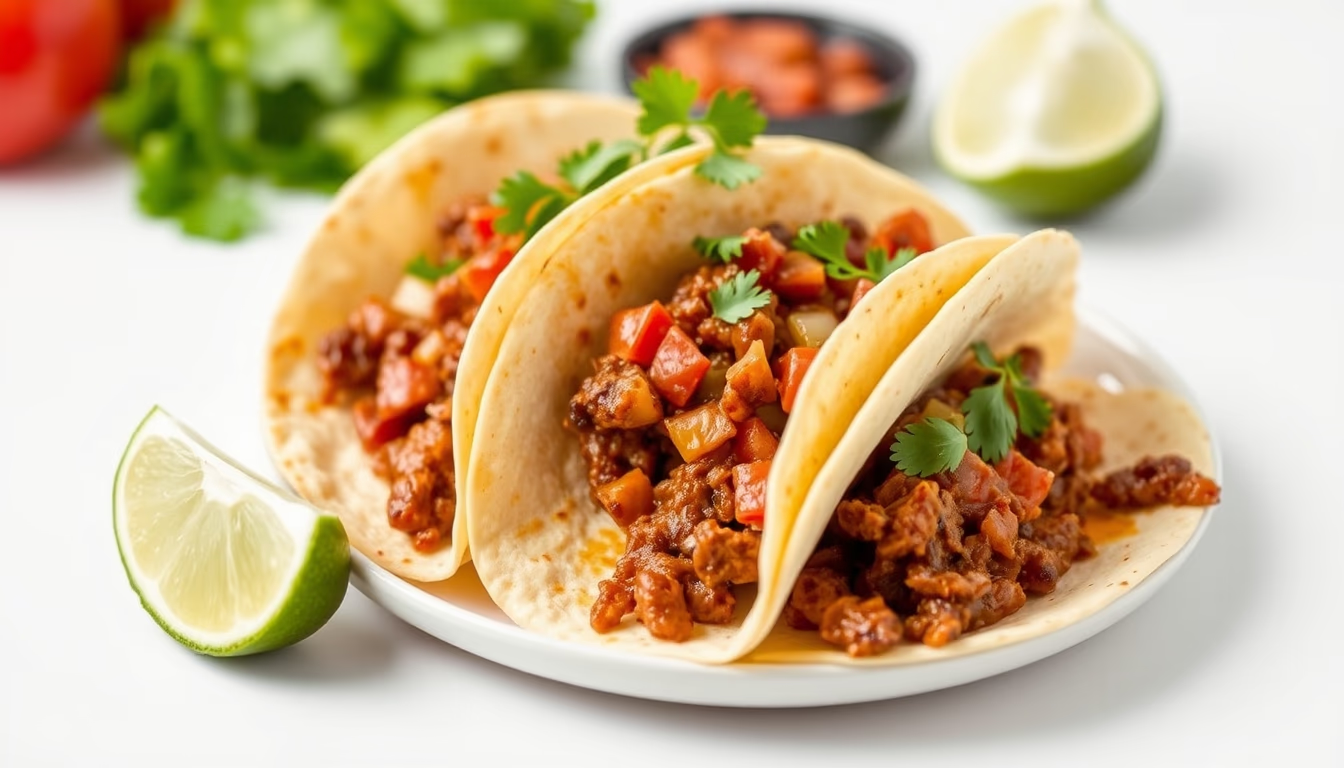
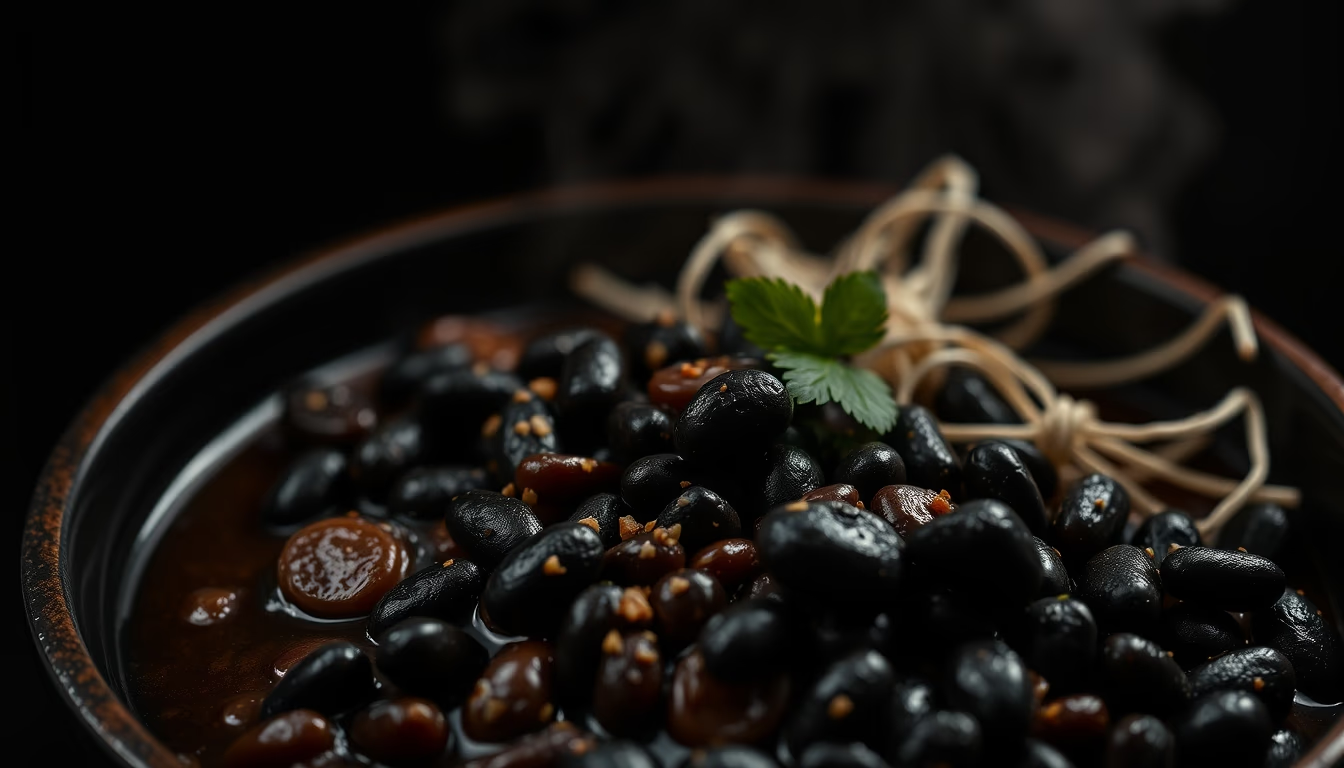
Culturally, the arepa is a symbol of Colombian identity. It appears at breakfast, lunch, and dinner, plain or accompanied by meats, avocados, beans, and hogao (tomato and onion sauce). In Bogotá, it is common to find arepas stuffed with short rib broth. At fairs and restaurants, arepas are prepared on grills or fried, always fresh. Precooked corn flour, such as the brand P.A.N., is widely used for easy home preparation.
The arepa also carries strong sentimental and social value. Families often gather to prepare and share arepas, especially during festivities and celebrations. Its versatility allows for sweet or savory combinations, and it is often compared to bread or Mexican tortillas, but with a unique texture and flavor. The arepa's popularity has crossed borders and is now appreciated in many countries, even sparking debates about culinary origin between Colombia and Venezuela.
Frequently Asked Questions
What is the difference between Colombian and Venezuelan arepas?
Colombian arepas are usually thicker and can be eaten with butter or cheese, or served as a side dish. Venezuelan arepas, on the other hand, are thinner and almost always stuffed (with cheese, meat, chicken, etc.). The dough also varies: Colombia commonly uses white or yellow corn flour, while Venezuela uses white flour as standard.
How do you prepare the arepa dough?
The traditional dough is made with precooked corn flour (like P.A.N.), water, salt, and optionally a little oil or butter. Mix until a homogeneous dough forms and shape into discs. Then grill, fry, or bake. Some varieties use fresh ground corn, such as arepa de choclo.
What are the most popular fillings for arepas in Colombia?
Fillings vary by region. The most common include cheese (like queso costeño), butter, shredded beef (carne desmechada), chicken, chicharrón, avocado, beans, and hogao (tomato and onion sauce). On the Caribbean coast, arepa de huevo features a fried egg. There are also sweet versions with arequipe (dulce de leche) or fruits.
Direct URL
https://pub-c7d6a6ea828543ac903a74a341ccb2e1.r2.dev/imagens/arepa-colombian-studio-editorial-portrait-fresh10.avifHow to credit
Include a visible link back to UtilizAí. Copy one of the snippets below:
<a href="https://xn--utiliza-eza.com/en/midia/imagens/arepa-colombian-studio-editorial-portrait-fresh10">Arepa colombian</a> by <a href="https://xn--utiliza-eza.com">UtilizAí</a>, licensed under <a href="https://creativecommons.org/licenses/by/4.0/">CC BY 4.0</a>.
[Arepa colombian](https://xn--utiliza-eza.com/en/midia/imagens/arepa-colombian-studio-editorial-portrait-fresh10) by [UtilizAí](https://xn--utiliza-eza.com), CC BY 4.0
License: CC-BY-4.0