Arepa colombian
1344×768 · AVIF · CC BY 4.0

The Colombian arepa is a versatile cornbread eaten daily across the country, with regional variations and fillings ranging from cheese to pork cracklings.
About this subject
The arepa is one of the most iconic foods in Colombia, present on the tables of Colombians at virtually every meal. Made from masa de maíz, its basic recipe is simple: water, salt, and pre-cooked corn flour. However, this simplicity hides an incredible regional diversity. In the Andean region, the white arepa is the most common, while on the Caribbean coast, the arepa de huevo, which contains a fried egg in the middle, prevails. In Antioquia, the arepa is often served with butter and salt, or accompanied by chicharrón and avocado. In the Llanos region, the arepa can be made with yellow corn and have a thicker texture.
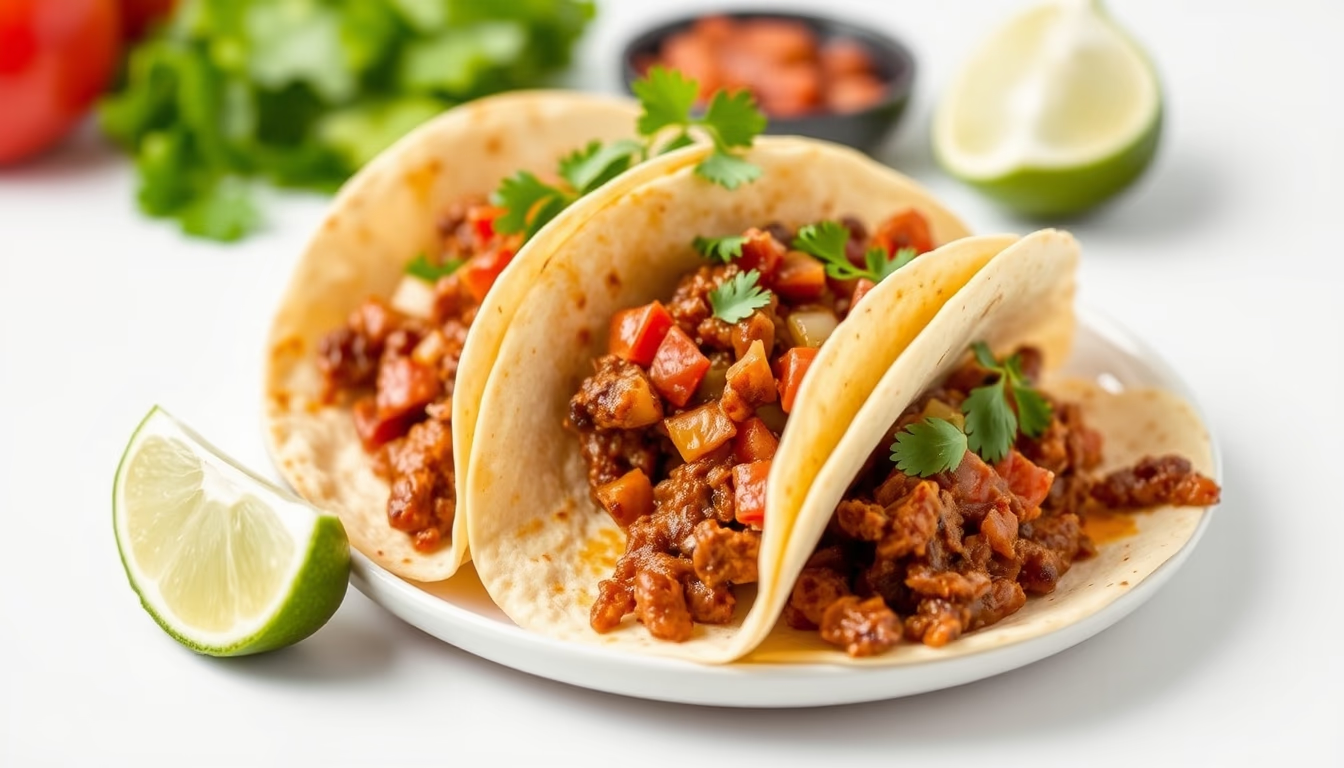
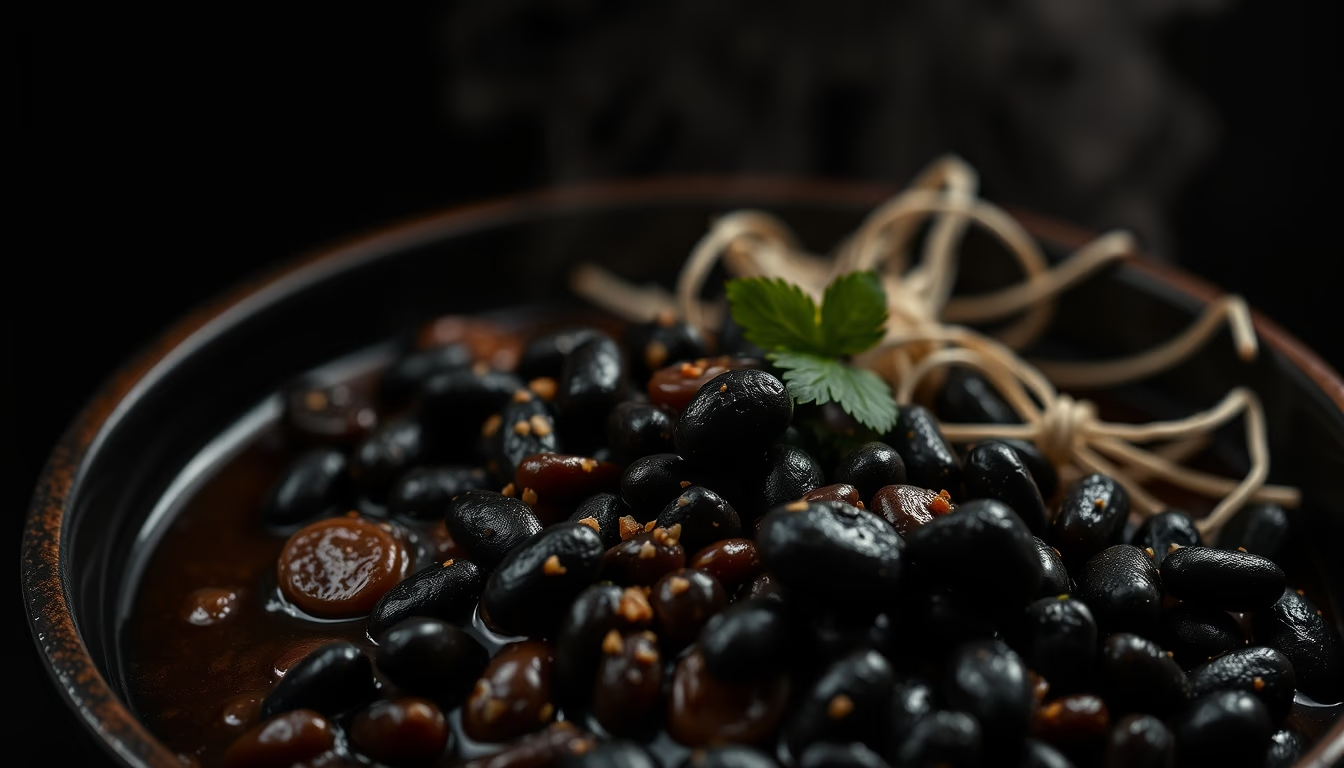
Arepa consumption in Colombia is so ingrained that there are specialized restaurants called areperías. They can be found on street corners, in markets, and shopping centers, offering versions stuffed with shredded meats, cheeses, beans, or even international ingredients like chicken curry. The arepa is also a symbol of national identity and sparks culinary debates with neighboring Venezuela, where the arepa is also a staple. The main difference lies in the dough: Colombian arepas typically use pre-cooked cornmeal, while Venezuelan ones often use finer white corn flour.
Historically, the arepa dates back to pre-Columbian indigenous cultures that already prepared cornbreads. With Spanish colonization, corn became a dietary staple in the region. Today, the arepa is recognized as intangible cultural heritage in several Colombian regions. Its preparation is passed down through generations, with each family guarding its preferred recipe. Beyond taste, the arepa is valued for its practicality: it can be grilled, fried, baked, or stuffed, and pairs with almost anything, from breakfast to dinner.
Frequently Asked Questions
What is the difference between Colombian and Venezuelan arepas?
The main difference lies in the flour: Colombian arepas use coarser pre-cooked cornmeal, while Venezuelan ones use finer white corn flour, resulting in distinct textures. Venezuelan arepas are also thicker and typically split open to be filled like a sandwich.
Are arepas healthy?
Yes, arepas are naturally gluten-free and made from corn. They can be a healthy option depending on preparation. When grilled or baked and paired with nutritious fillings like fresh cheese, avocado, or vegetables, they make a balanced meal.
How are arepas traditionally eaten in Colombia?
Arepas are consumed at all meals. They can be served for breakfast with butter and cheese, at lunch as a side to meats and soups, or at dinner stuffed with various ingredients. It is also common to eat them with hot chocolate or coffee.
Direct URL
https://pub-c7d6a6ea828543ac903a74a341ccb2e1.r2.dev/imagens/arepa-colombian-long-exposure-fresh3.avifHow to credit
Include a visible link back to UtilizAí. Copy one of the snippets below:
<a href="https://xn--utiliza-eza.com/en/midia/imagens/arepa-colombian-long-exposure-fresh3">Arepa colombian</a> by <a href="https://xn--utiliza-eza.com">UtilizAí</a>, licensed under <a href="https://creativecommons.org/licenses/by/4.0/">CC BY 4.0</a>.
[Arepa colombian](https://xn--utiliza-eza.com/en/midia/imagens/arepa-colombian-long-exposure-fresh3) by [UtilizAí](https://xn--utiliza-eza.com), CC BY 4.0
License: CC-BY-4.0