Archaeological dig site
1344×768 · AVIF · CC BY 4.0
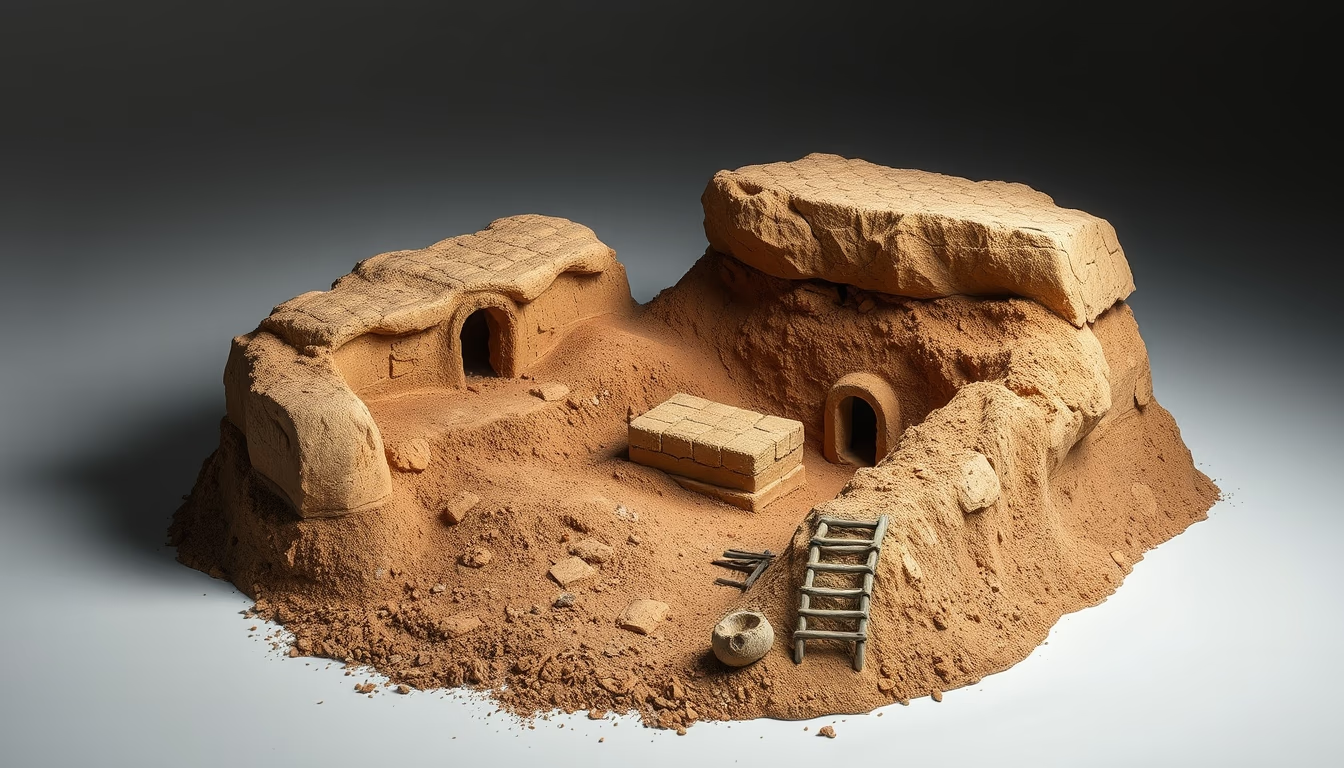
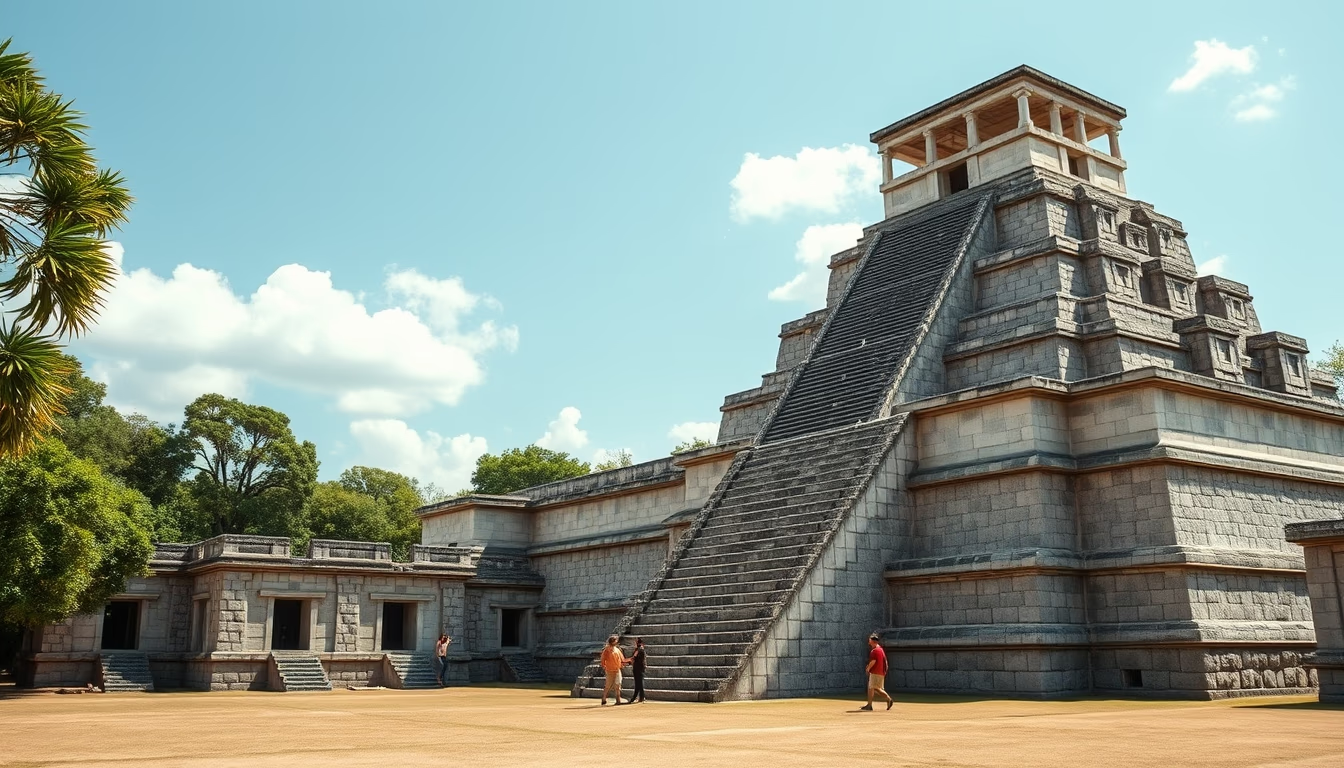
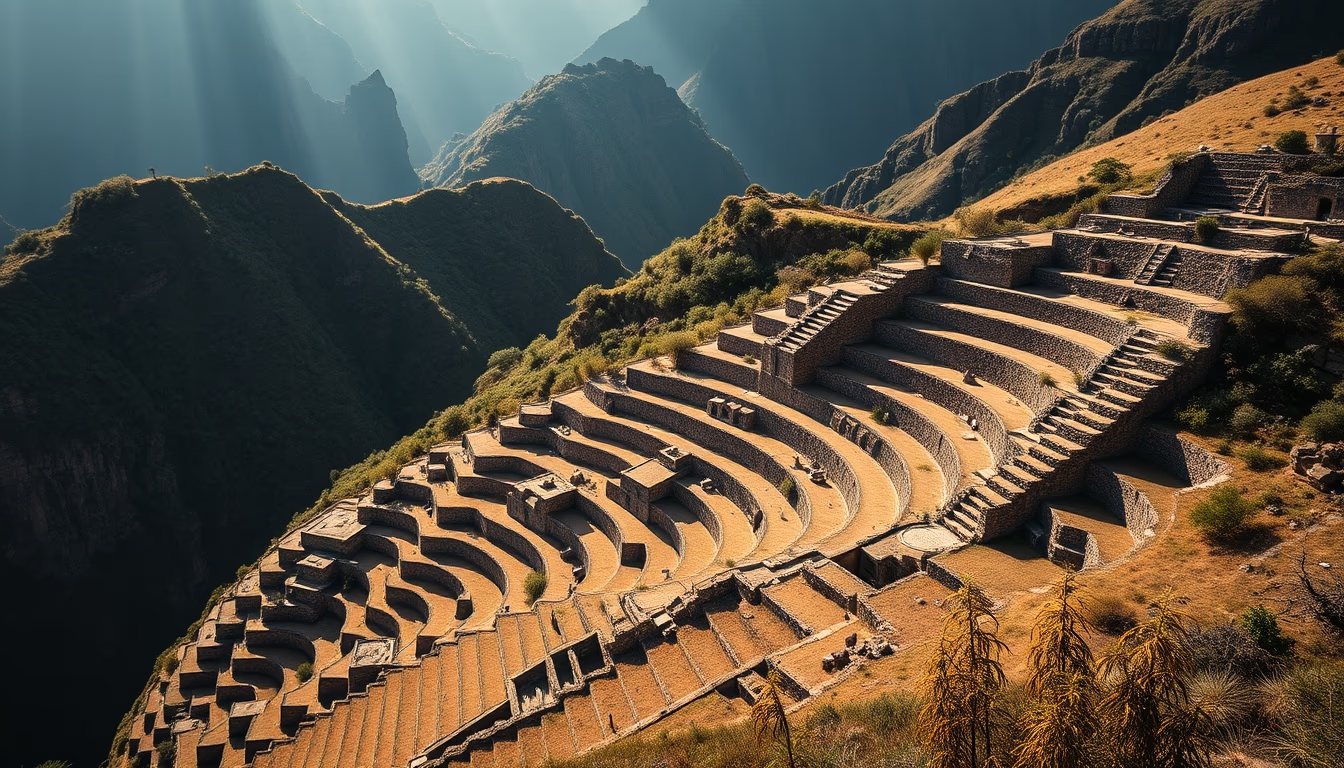
An archaeological dig site reveals layers of human history through meticulous excavation of artifacts and ancient structures.
About this subject
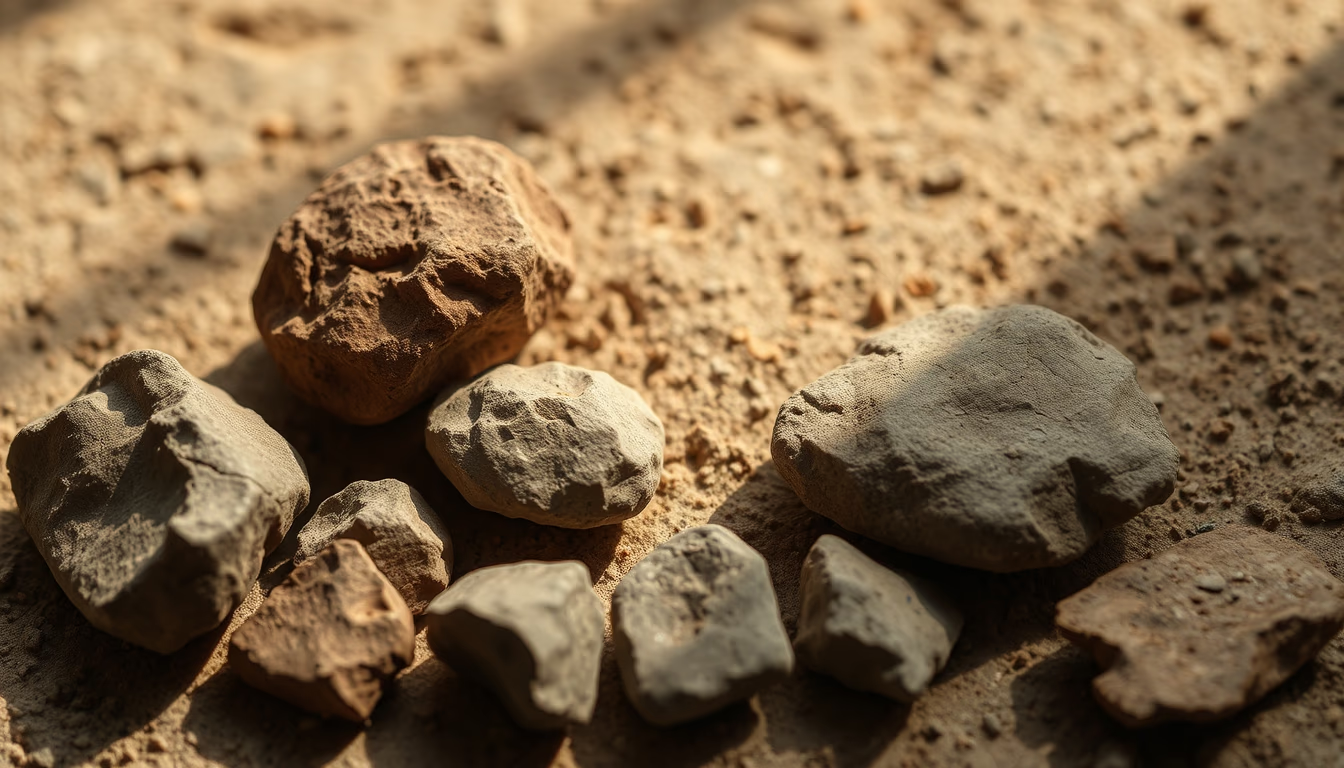
An archaeological dig site is an area selected for research due to its high potential to contain traces of past human occupation. These locations may be identified through geophysical surveys, aerial photography analysis, or surface indicators such as pottery shards. Excavation follows the principle of stratigraphy, where each soil layer represents a distinct temporal period, allowing dating of objects and structures based on their position. Tools like brushes, trowels, and sieves are used manually to avoid damaging artifacts.
The importance of an archaeological site goes beyond artifact collection, as it documents cultural, economic, and environmental aspects of extinct societies. In Brazil, sites like Lapa do Santo (Minas Gerais) provided evidence of funerary rituals dating back 9,500 years. Globally, sites like Pompeii (Italy) preserved entire cities under volcanic ash, revealing details of Roman daily life. Each excavation must follow rigorous methodologies to ensure the scientific integrity of the findings.
After excavation, artifacts undergo cleaning, cataloging, and conservation before being studied in the lab. Carbon-14 dating, palynology, and stable isotope analyses help reconstruct diets, climates, and migrations. The data generated contribute to understanding human evolution and preserving cultural heritage. Archaeology thus unites science and history, transforming fragments of the past into narratives about who we were and how we lived.
Frequently Asked Questions
How do archaeologists determine where to dig?
They use methods such as geophysical survey (ground-penetrating radar), satellite imagery analysis, and surface reconnaissance to identify anomalies or visible traces, followed by test pits to confirm site presence.
How long does an archaeological excavation take?
It depends on the size and complexity of the site, ranging from a few weeks to several years. Excavations at multi-layered sites like Tell es-Sultan (Jericho) can last for decades.
What happens to artifacts after excavation?
They are cleaned, cataloged, photographed, and stored under controlled conditions for conservation. Later, they are analyzed in a laboratory and may be displayed in museums or kept in research collections.
Direct URL
https://pub-c7d6a6ea828543ac903a74a341ccb2e1.r2.dev/imagens/archaeological-dig-site-studio-still-life-p9.avifHow to credit
Include a visible link back to UtilizAí. Copy one of the snippets below:
<a href="https://xn--utiliza-eza.com/en/midia/imagens/archaeological-dig-site-studio-still-life-p9">Archaeological dig site</a> by <a href="https://xn--utiliza-eza.com">UtilizAí</a>, licensed under <a href="https://creativecommons.org/licenses/by/4.0/">CC BY 4.0</a>.
[Archaeological dig site](https://xn--utiliza-eza.com/en/midia/imagens/archaeological-dig-site-studio-still-life-p9) by [UtilizAí](https://xn--utiliza-eza.com), CC BY 4.0
License: CC-BY-4.0