Archaeological dig site
1344×768 · AVIF · CC BY 4.0
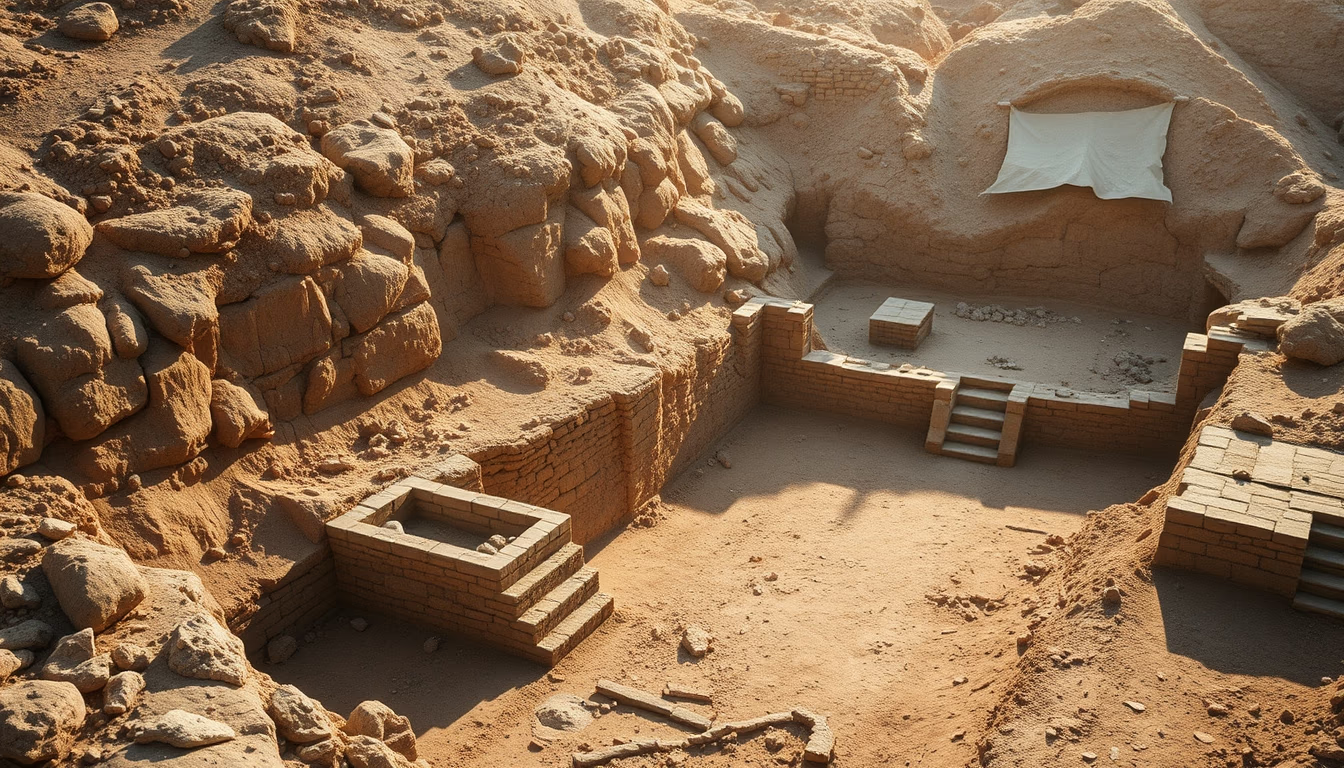
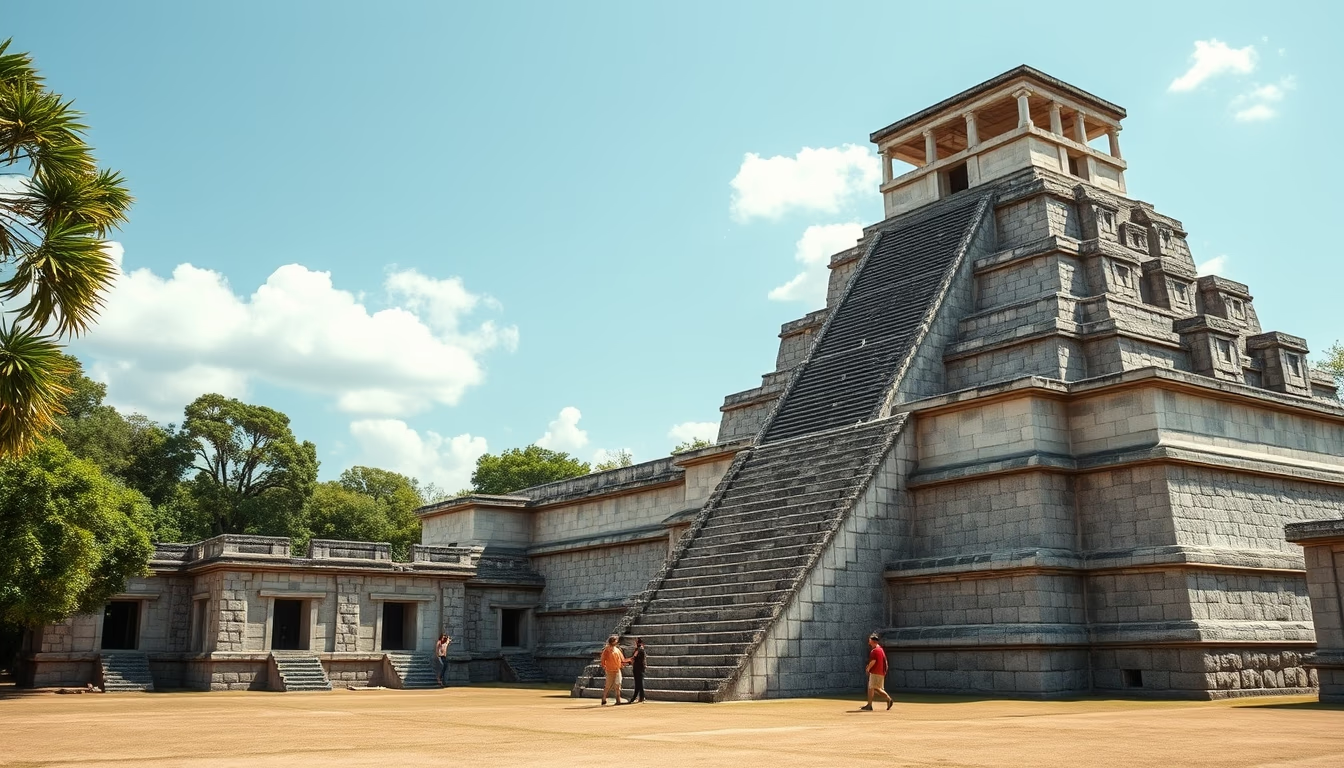
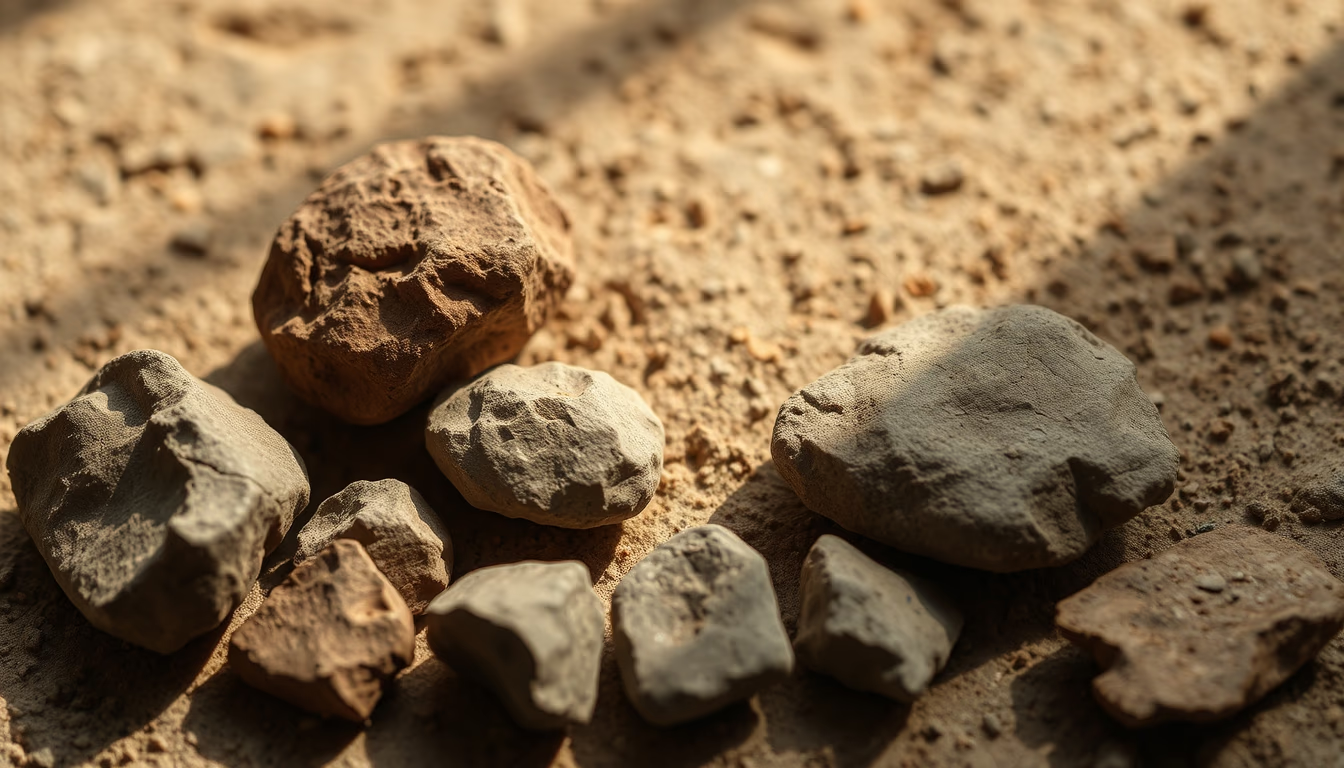
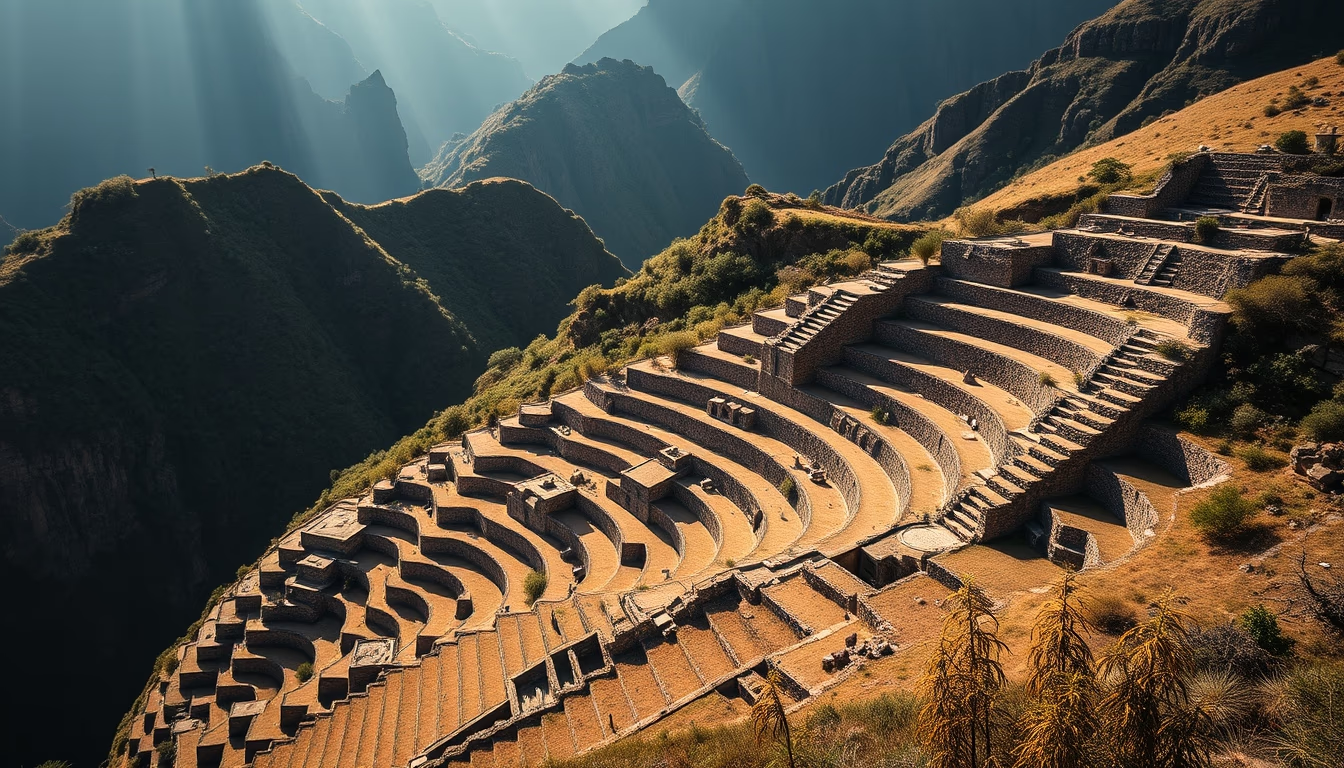
Archaeological dig site reveals historical layers and artifacts that help reconstruct ancient civilizations.
About this subject
An archaeological dig site is a location where teams of archaeologists systematically excavate soil to recover material evidence of past human activities. The process typically begins with survey methods such as ground-penetrating radar or aerial photography to identify promising areas. Then, trenches or grid squares are opened to expose strata in a controlled manner, following the principle of stratigraphy: each layer represents a chronological period, and the position of artifacts reveals their relative age.
Common tools include shovels, trowels, brushes, and precision picks. Every object found (pottery sherds, bones, stone tools) is recorded with three-dimensional coordinates, photographed, and cataloged. The soil matrix is sifted to recover small items like seeds or beads. Absolute dating methods, such as radiocarbon or thermoluminescence, complement the relative chronology of stratigraphy. Famous sites like Pompeii (Italy) and Machu Picchu (Peru) demonstrate the wealth of information a well-conducted excavation can provide about daily life, economy, and beliefs.
Archaeological excavations are not inherently destructive; the goal is to document and preserve context. After excavation, material is sent to labs for specialized analysis. Many sites are backfilled or transformed into museum parks for long-term conservation. In Brazil, sites like Serra da Capivara (Piauí) and the Amazon region show the diversity of methods applied to different environments.
Modern archaeology ethics require involvement of local communities and respect for cultural heritage. Laws such as the Protection of Archaeological Heritage Act (Law 3.924/61 in Brazil) regulate excavations, requiring permits and placement of finds in public collections.
Frequently Asked Questions
How is an archaeological excavation carried out?
An archaeological excavation proceeds in stages: initial survey, opening of grid squares, careful removal of soil layers with hand tools, three-dimensional recording of artifacts, and sieving of soil. Everything is documented to preserve context.
Why is stratigraphy important in archaeology?
Stratigraphy provides a relative chronological sequence of deposits. Deeper layers are generally older, and the artifacts within them help date occupations and understand cultural succession.
What are archaeological artifacts and how are they dated?
Artifacts are objects made or modified by humans, such as stone tools, pottery, or bones. They are dated using relative methods (stratigraphy, typology) or absolute methods (radiocarbon, thermoluminescence), depending on the material.
Direct URL
https://pub-c7d6a6ea828543ac903a74a341ccb2e1.r2.dev/imagens/archaeological-dig-site-magazine-editorial-p1.avifHow to credit
Include a visible link back to UtilizAí. Copy one of the snippets below:
<a href="https://xn--utiliza-eza.com/en/midia/imagens/archaeological-dig-site-magazine-editorial-p1">Archaeological dig site</a> by <a href="https://xn--utiliza-eza.com">UtilizAí</a>, licensed under <a href="https://creativecommons.org/licenses/by/4.0/">CC BY 4.0</a>.
[Archaeological dig site](https://xn--utiliza-eza.com/en/midia/imagens/archaeological-dig-site-magazine-editorial-p1) by [UtilizAí](https://xn--utiliza-eza.com), CC BY 4.0
License: CC-BY-4.0