Archaeological dig site
1344×768 · AVIF · CC BY 4.0
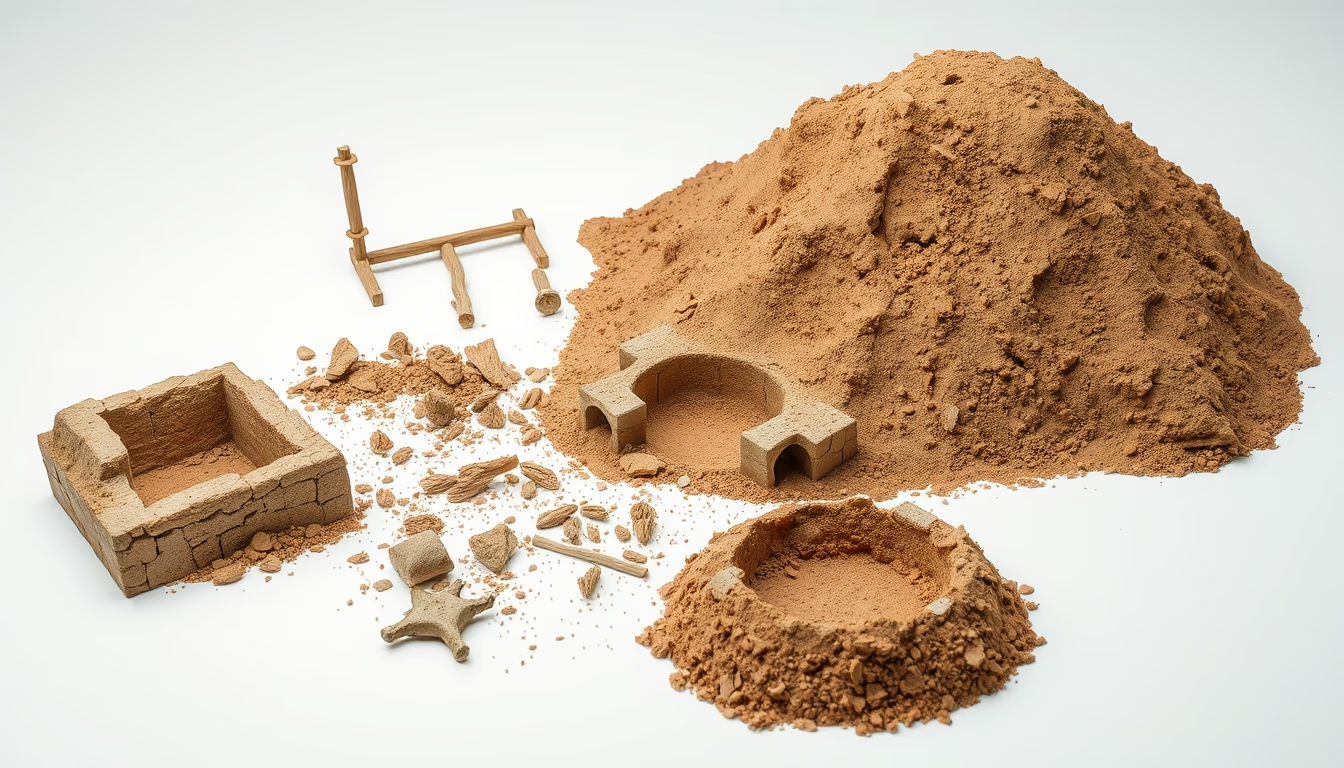
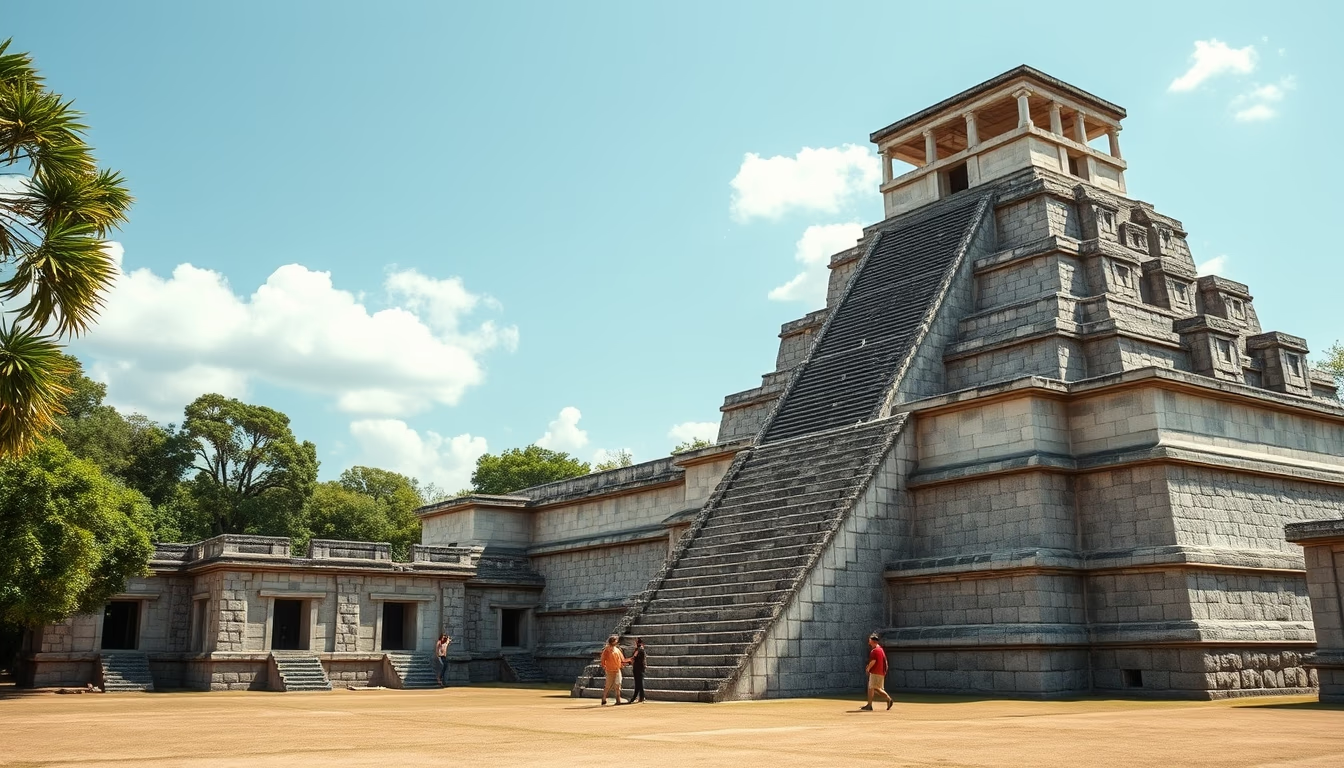
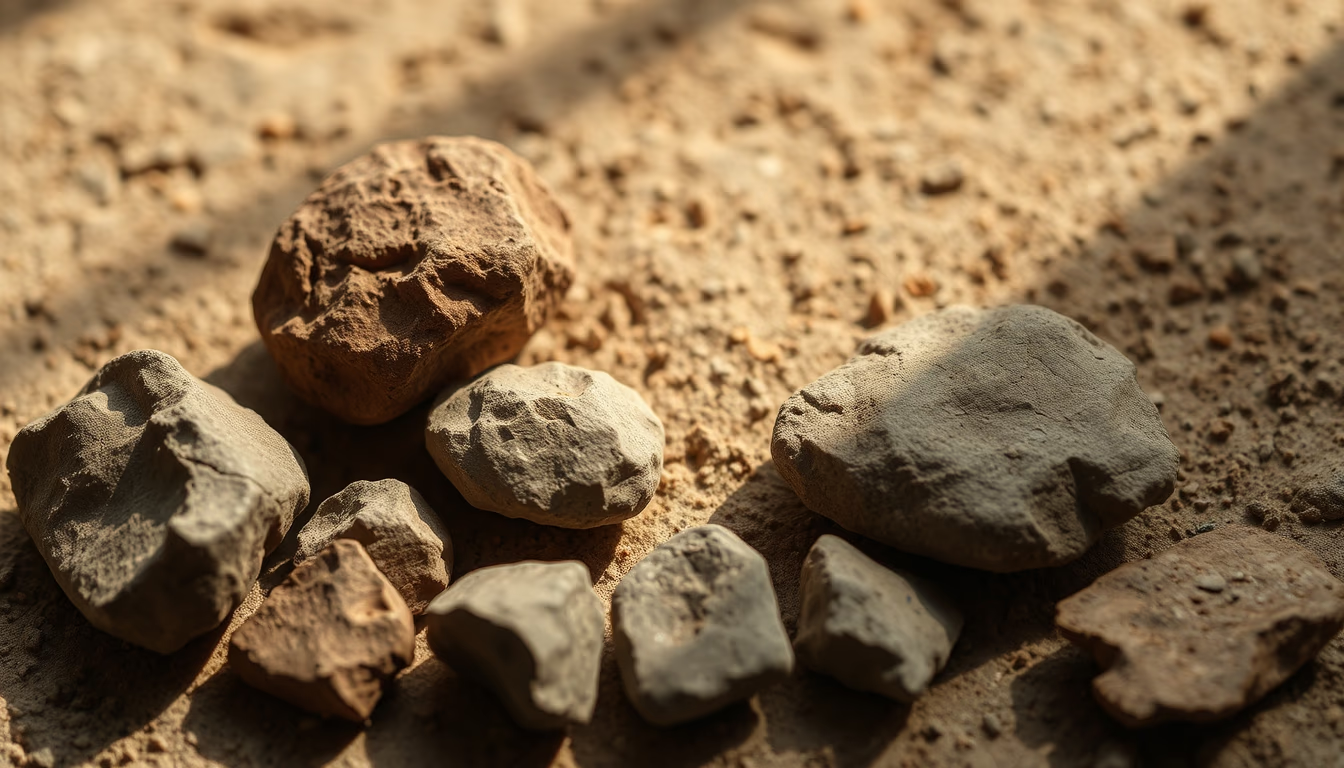
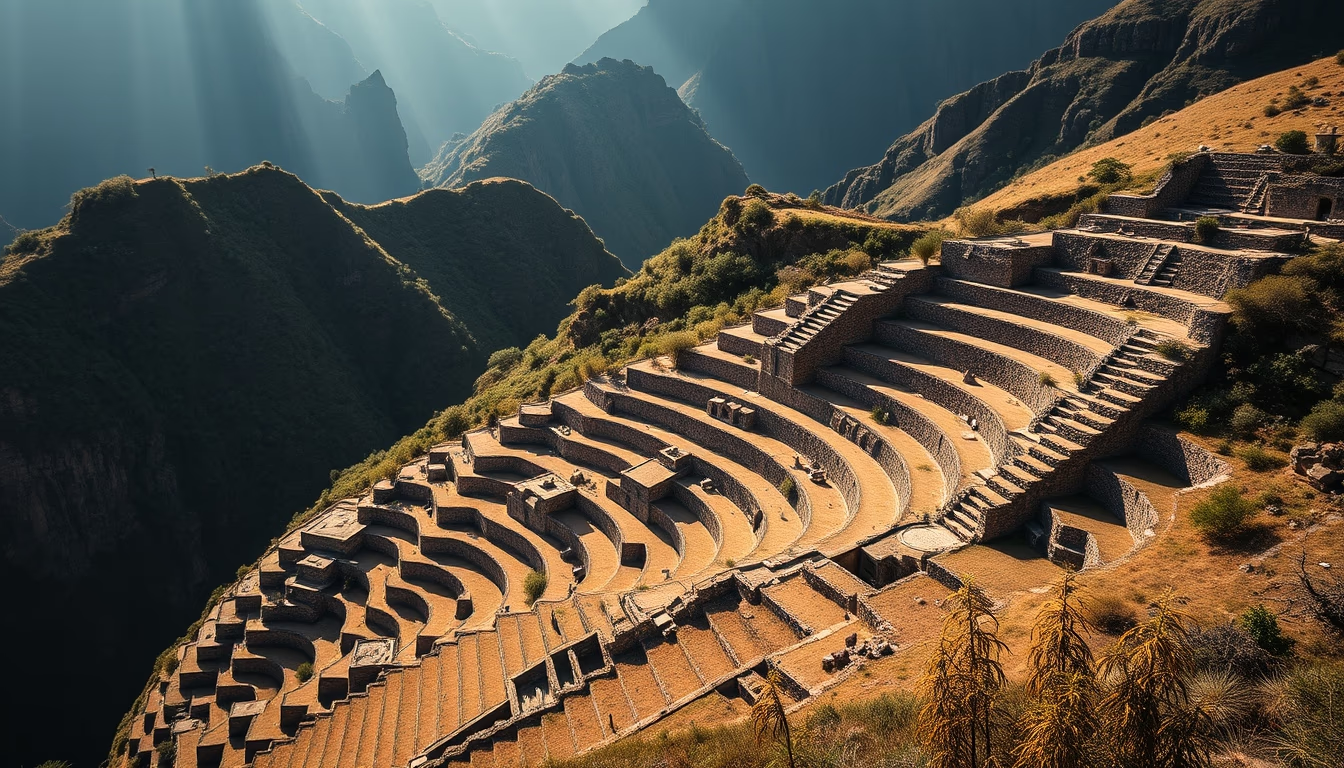
Archaeological dig sites are windows into the past, revealing ancient civilizations through methodical excavations and artifact analysis.
About this subject
Archaeological dig sites are locations where traces of past human activities are preserved in the soil. They can range from large ancient cities like Pompeii in Italy to small temporary camps of hunter-gatherers. Archaeological excavation is a meticulous process that follows rigorous scientific methods such as stratigraphy, which studies soil layers to establish a relative chronology. Each layer may contain artifacts, structures, or ecofacts that help reconstruct the way of life of extinct societies.
The importance of archaeological sites goes beyond mere object collection. They provide crucial context for understanding cultural, technological, and environmental changes over time. For example, the excavation of sites like Çatalhöyük in Turkey revealed transitions to agriculture and sedentary life. In Brazil, sites such as Serra da Capivara in Piauí tell the story of the first inhabitants of the Americas, with rock paintings dating back thousands of years.
Modern techniques like geophysical prospection, including ground-penetrating radar and magnetometry, allow archaeologists to identify buried structures without digging. This reduces damage and aids in planning excavations. However, excavation remains essential for recovering detailed evidence, such as tools, bones, and plant remains. Each artifact is recorded in its original position, as its spatial context is as valuable as the object itself.
The preservation of archaeological sites faces challenges such as looting, urban development, and climate change. Therefore, archaeology also involves legal and conservation aspects. Sites like Machu Picchu in Peru and the pyramids of Egypt are protected by national and international laws, but many other lesser-known locations remain vulnerable. The work of archaeologists extends beyond excavation; it includes laboratory analysis, carbon-14 dating, and publication of results for the scientific community and the public.
Frequently Asked Questions
What is an archaeological dig site?
It is a location where evidence of past human activities is preserved in the soil, such as artifacts, structures, or organic remains. Examples include ancient cities, cemeteries, and campsites.
How do archaeologists excavate a site?
They use methods like stratigraphy, dividing the area into grid squares and removing soil in layers. Each artifact is mapped and recorded to preserve its context.
Why is it important to preserve archaeological sites?
They are unique sources of information about the human past. Their destruction means irreversible loss of knowledge about ancient cultures, technologies, and environments.
Direct URL
https://pub-c7d6a6ea828543ac903a74a341ccb2e1.r2.dev/imagens/archaeological-dig-site-commercial-product-photography-p2.avifHow to credit
Include a visible link back to UtilizAí. Copy one of the snippets below:
<a href="https://xn--utiliza-eza.com/en/midia/imagens/archaeological-dig-site-commercial-product-photography-p2">Archaeological dig site</a> by <a href="https://xn--utiliza-eza.com">UtilizAí</a>, licensed under <a href="https://creativecommons.org/licenses/by/4.0/">CC BY 4.0</a>.
[Archaeological dig site](https://xn--utiliza-eza.com/en/midia/imagens/archaeological-dig-site-commercial-product-photography-p2) by [UtilizAí](https://xn--utiliza-eza.com), CC BY 4.0
License: CC-BY-4.0