Aquaponics system fish
1344×768 · AVIF · CC BY 4.0
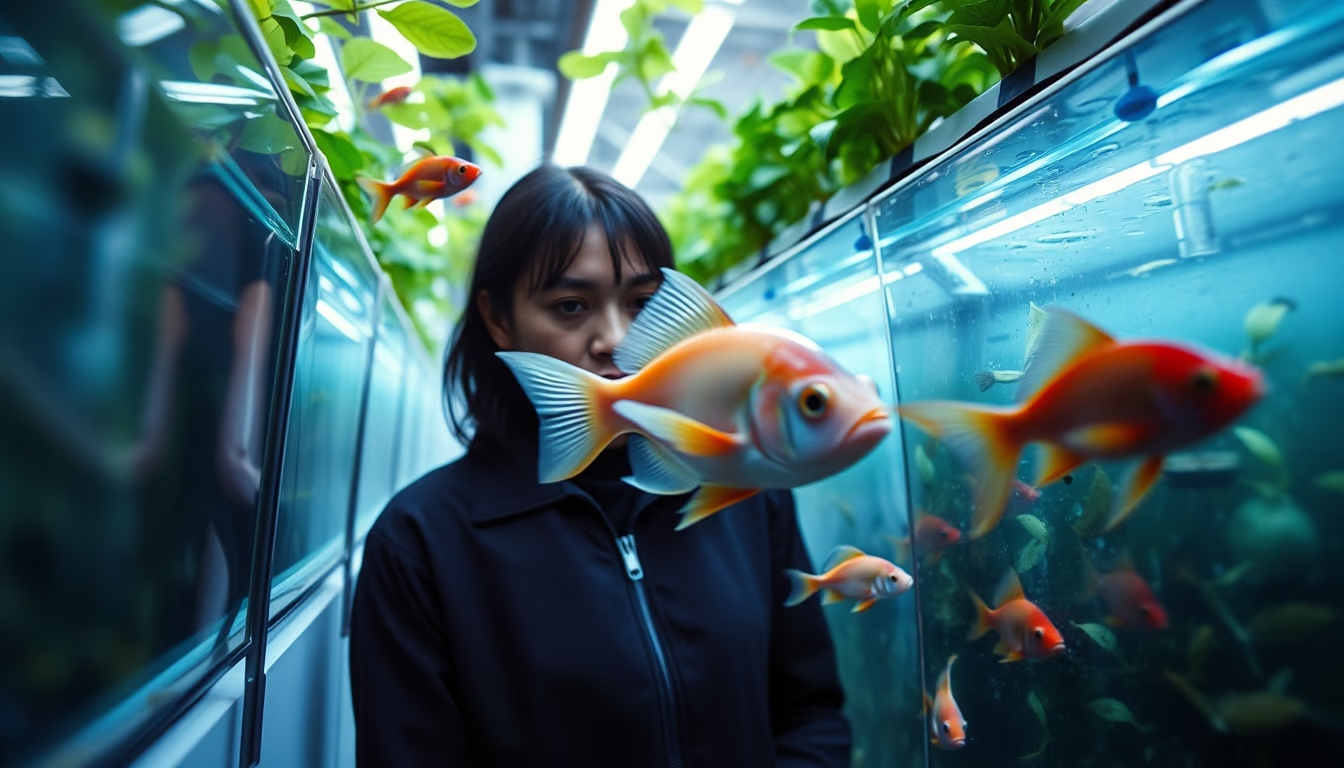
Aquaponics system integrates fish farming and plant cultivation in a closed, sustainable cycle.
About this subject
Aquaponics combines aquaculture (fish farming) with hydroponics (soilless plant cultivation) in a symbiotic system. Fish produce ammonia-rich waste, which nitrifying bacteria convert into nitrates, essential nutrients for plants. The plants then filter the water, which returns clean to the fish tanks. This closed loop reduces water consumption by up to 90% compared to traditional agriculture.
Originating from ancient practices like Aztec chinampas and Asian rice-fish systems, modern aquaponics has gained traction in recent decades as an alternative for food production in urban areas or arid regions. Common species in home systems include tilapia, trout, and carp, due to their resilience and fast growth. The most cultivated plants are lettuce, basil, tomatoes, and bell peppers.
Beyond water efficiency, aquaponics eliminates chemical fertilizers and pesticides, as nutrients come from fish and the controlled environment reduces pests. FAO studies indicate that well-designed systems can produce 5 to 10 kg of fish and 20 to 50 kg of vegetables per cubic meter of water per year. In Brazil, initiatives like the Urban Aquaponics project in São Paulo and partnerships with Embrapa have popularized the technique among small farmers and schools.
A technical challenge is pH balance: fish prefer pH between 6.5 and 8, while plants grow best at 5.5 to 6.5. The solution lies in biofilters and selecting tolerant species. With growing demand for food security and sustainability, aquaponics consolidates as a low-environmental-impact technology with high scalability potential.
Frequently Asked Questions
Which fish are best for starting an aquaponics system?
Tilapia is the most recommended due to its tolerance to temperature and water quality variations. Other options include carp, trout, and catfish, depending on local climate and system goals.
Does aquaponics consume a lot of electricity?
Yes, mainly for water pumps and aeration. Small systems may use as much as an incandescent bulb (50 to 100 W). Larger systems can benefit from solar panels to reduce costs.
Can aquaponics be practiced in apartments?
Yes, compact systems (like 'desktop aquaponics') use small tanks with ornamental fish such as bettas or guppies and small plants. They require regular maintenance and controlled lighting.
Direct URL
https://pub-c7d6a6ea828543ac903a74a341ccb2e1.r2.dev/imagens/aquaponics-system-fish-film-grain-authentic-p3.avifHow to credit
Include a visible link back to UtilizAí. Copy one of the snippets below:
<a href="https://xn--utiliza-eza.com/en/midia/imagens/aquaponics-system-fish-film-grain-authentic-p3">Aquaponics system fish</a> by <a href="https://xn--utiliza-eza.com">UtilizAí</a>, licensed under <a href="https://creativecommons.org/licenses/by/4.0/">CC BY 4.0</a>.
[Aquaponics system fish](https://xn--utiliza-eza.com/en/midia/imagens/aquaponics-system-fish-film-grain-authentic-p3) by [UtilizAí](https://xn--utiliza-eza.com), CC BY 4.0
License: CC-BY-4.0