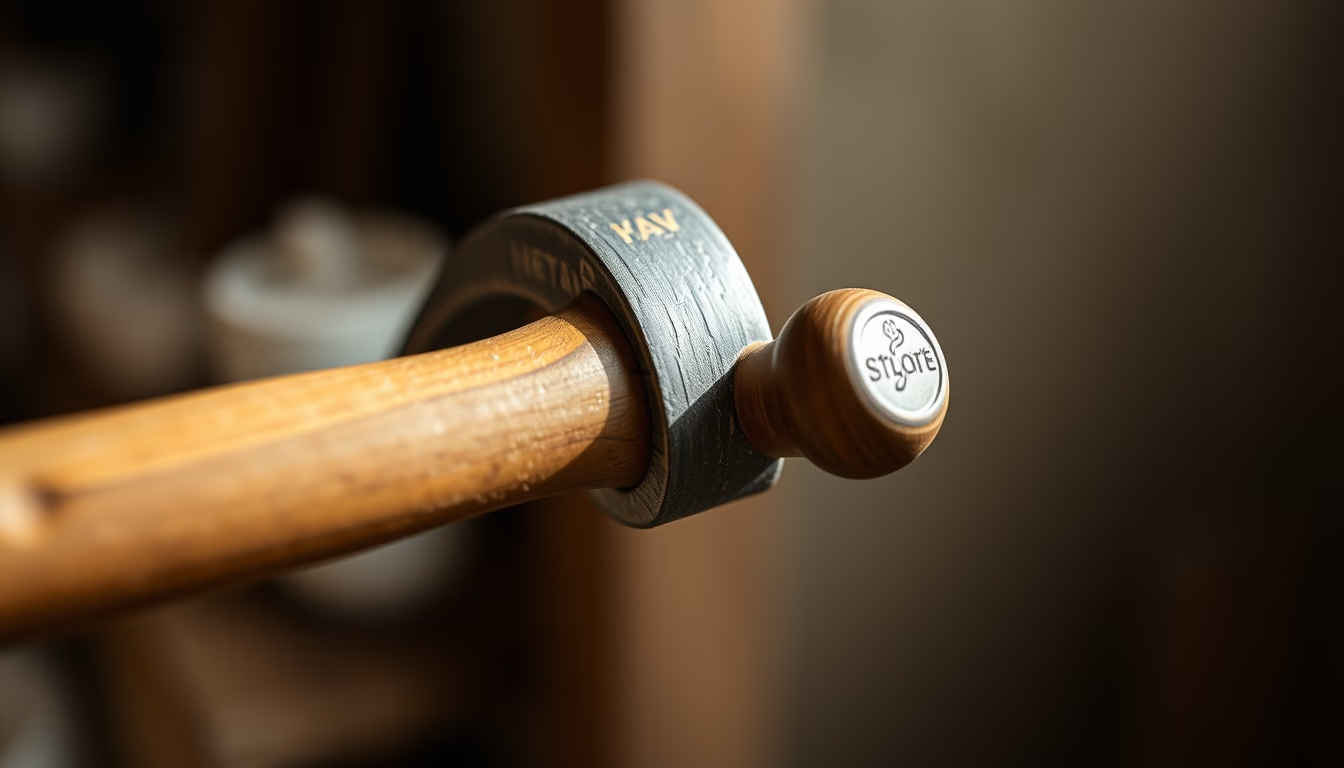
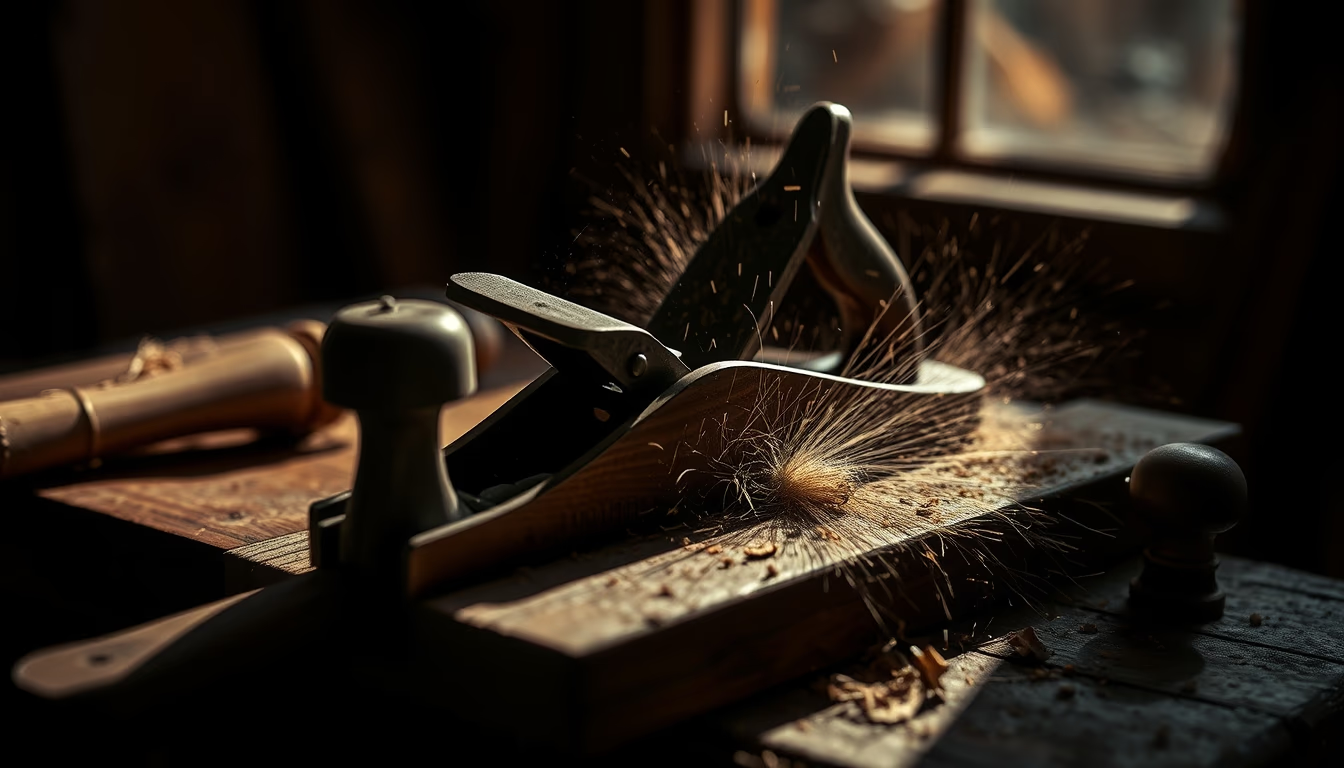
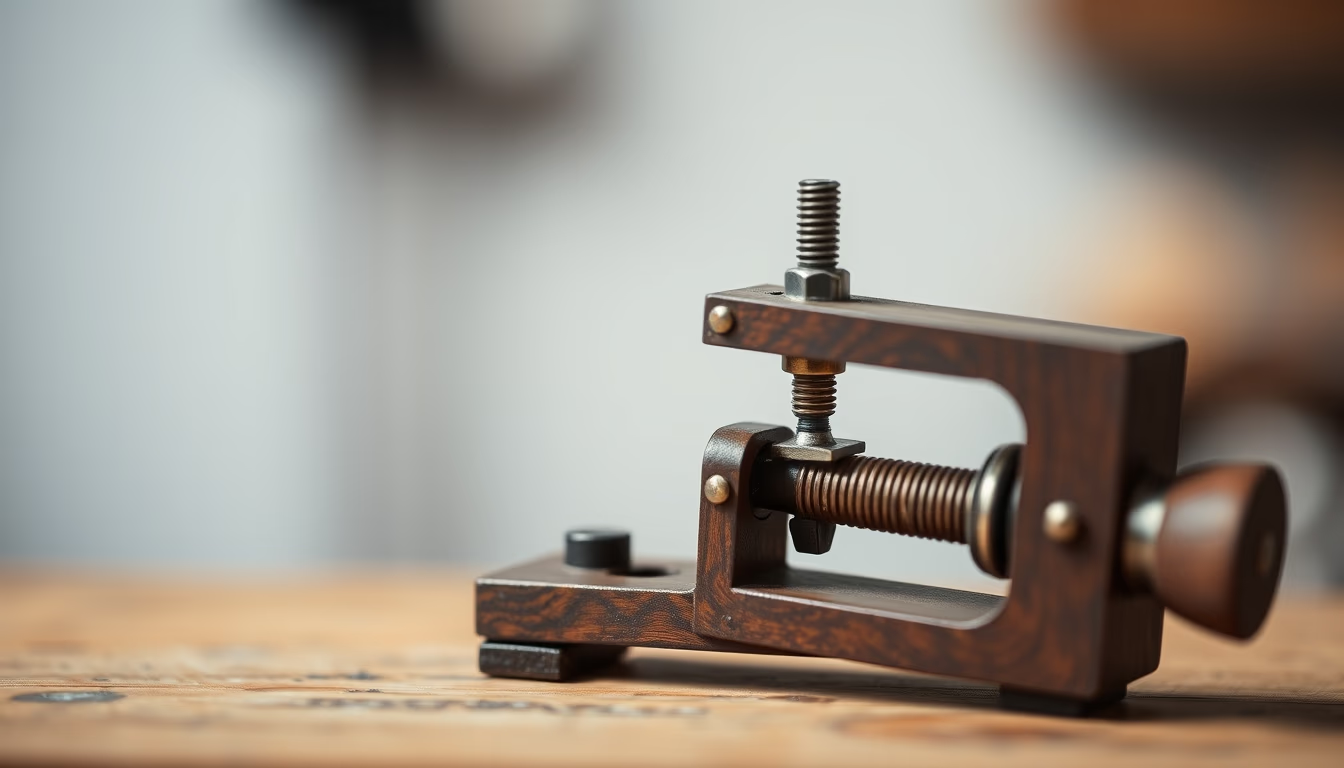
Antique hand drill brace
1344×768 · AVIF · CC BY 4.0
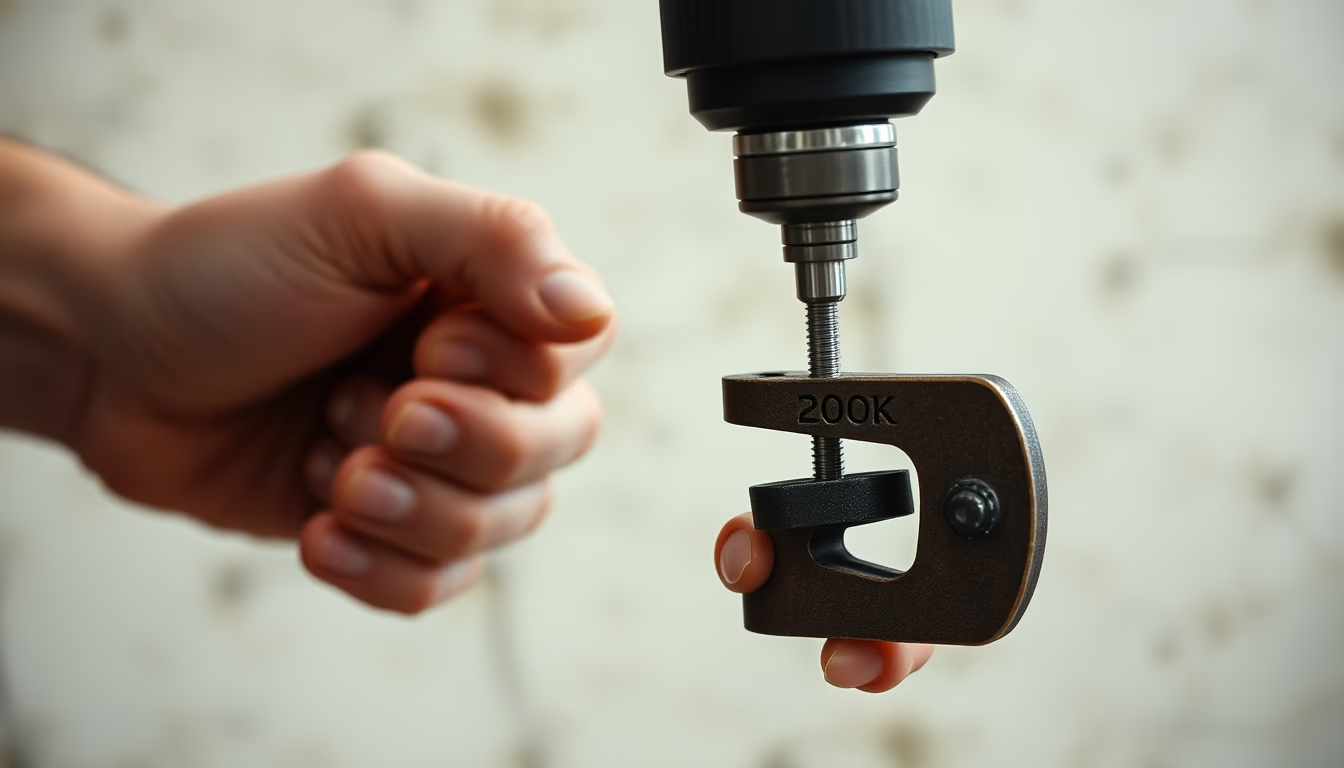
The antique hand drill brace, also known as a brace or bit brace, was an essential woodworking tool before the advent of electric drills.
About this subject
The hand drill brace, also known as a bit brace or carpenter's brace, is a manual rotary drilling tool that was widely used from the 18th to the 20th century. Its distinctive design features a central shaft with a side crank that allows the user to rotate the drill bit while applying downward pressure. The mechanism was typically made of hardwood such as oak or beech, with forged steel components for the bit and chuck. Unlike the earlier breast drill, the brace offered greater torque and precision, making it ideal for drilling wood, metal, or bone.
The manual brace was a cornerstone of the toolbox for joiners, carpenters, and craftsmen. Its versatility came from interchangeable bits of various sizes, which could drill holes for pegs, dowels, or larger joinery. Specific models included the breast brace, which used the user's body weight, and the lighter hand brace. The tool gradually declined after the introduction of electric drills in the early 20th century, but it remains prized by antique furniture restorers and historical tool enthusiasts.
Remarkably, the mechanical principle of the brace has remained nearly unchanged for centuries: the side crank converts the rotary motion of the arm into rotation of the shaft. Many antique braces feature ornate ironwork, such as scrolls or engravings, reflecting the skill of their blacksmiths. Today, antique braces are collectibles, with well-preserved examples fetching high prices at specialized auctions. The evolution of this tool mirrors the shift from artisanal to industrial production, showcasing human ingenuity before electrification.
Frequently Asked Questions
What was the antique hand drill brace used for?
The antique hand drill brace was used for precision drilling in wood, metal, and other materials. It was essential for joiners, carpenters, and craftsmen before electric drills became common.
What is the difference between a brace and a breast drill?
A brace has a side crank that provides more torque and control, suitable for finer work. A breast drill uses the user's body weight for pressure and is typically used for heavier, larger holes.
How can you identify the age and authenticity of an antique brace?
Look for hardwood handles and hand-forged metal parts. Ornamental details, blacksmith marks, and natural wear patterns help determine the era and authenticity of the tool.
Direct URL
https://pub-c7d6a6ea828543ac903a74a341ccb2e1.r2.dev/imagens/antique-hand-drill-brace-film-grain-authentic-fresh11.avifHow to credit
Include a visible link back to UtilizAí. Copy one of the snippets below:
<a href="https://xn--utiliza-eza.com/en/midia/imagens/antique-hand-drill-brace-film-grain-authentic-fresh11">Antique hand drill brace</a> by <a href="https://xn--utiliza-eza.com">UtilizAí</a>, licensed under <a href="https://creativecommons.org/licenses/by/4.0/">CC BY 4.0</a>.
[Antique hand drill brace](https://xn--utiliza-eza.com/en/midia/imagens/antique-hand-drill-brace-film-grain-authentic-fresh11) by [UtilizAí](https://xn--utiliza-eza.com), CC BY 4.0
License: CC-BY-4.0