Antique hammer wooden handle
1344×768 · AVIF · CC BY 4.0

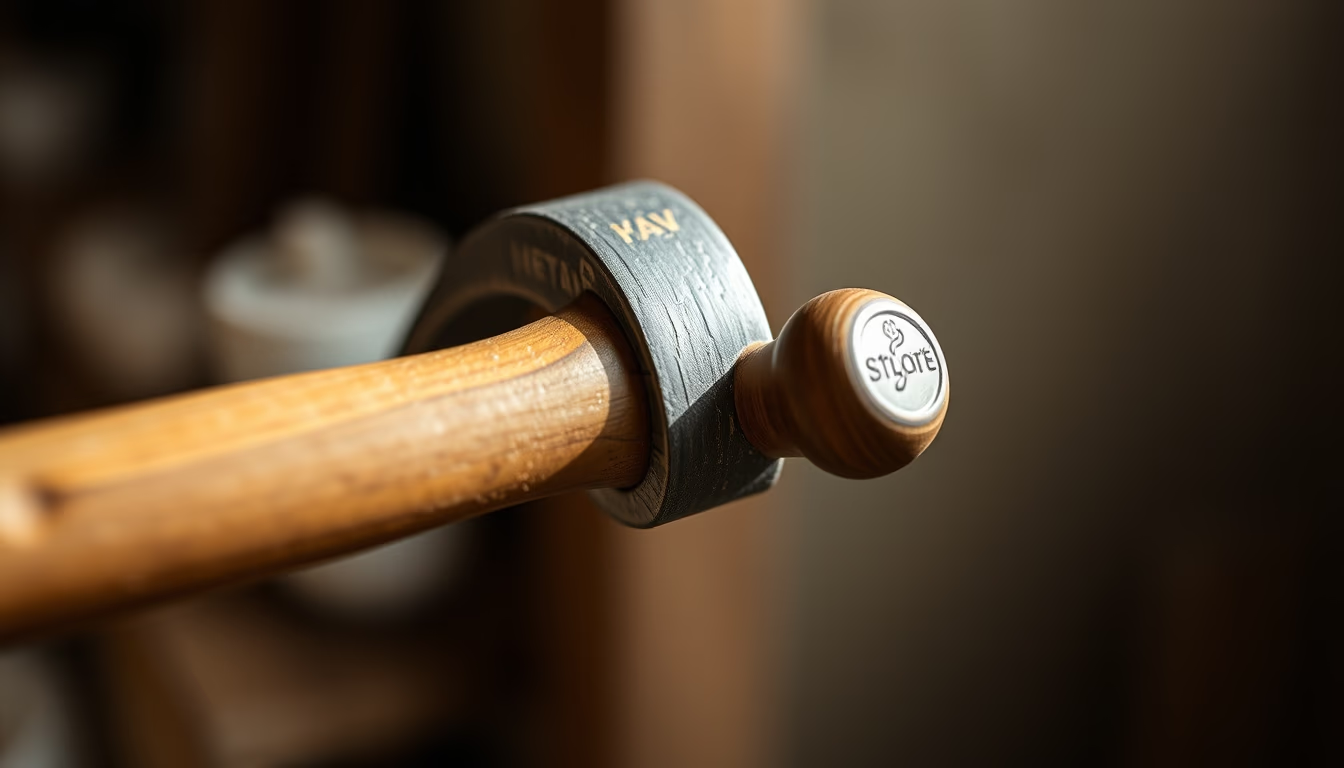
Antique hammer with wooden handle, an essential tool in past carpentry and blacksmith workshops, showcasing craftsmanship and durability.
About this subject
The hammer is one of humanity's oldest tools, with records dating back to the Stone Age. Its version with a wooden handle became a symbol of manual labor across cultures, especially in Europe and the Americas between the 18th and 20th centuries. Handles were often made of resilient woods like oak, ash, or hickory, chosen for their ability to absorb shock without splitting.
In old forges and carpenter shops, the wooden-handled hammer was used for forging metal, fitting wood pieces, and striking chisels. The iron or steel head was hand-forged, and the attachment to the handle was secured with metal or wooden wedges for firmness. Specific models, such as the carpenter's hammer (with a flat face and claw for nails) or the blacksmith's hammer (heavier), varied according to function.
With industrialization, mass production replaced many handcrafted hammers, but antique examples are still valued by collectors and restorers. The patina of the metal and the wear on the handle tell stories of intense use. Today, wooden-handled hammers are popular among DIY enthusiasts and artisans who prefer the comfort and vibration absorption of wood over synthetic handles.
The lo-fi disposable camera aesthetic mentioned in the tags evokes a nostalgic look that enhances the rough texture of aged wood and rust marks on the hammer head. This combination of a utilitarian tool with a vintage visual recording creates a bridge between the artisanal past and contemporary aesthetics.
Frequently Asked Questions
What type of wood was used in antique hammer handles?
Woods like oak, ash, and walnut were common for their strength and impact absorption. American hickory was also widely used for its durability.
How can I tell if an antique hammer has historical value?
Items with hand-forging, blacksmith marks, or use in specific trades (like carpentry or railroading) are more valuable. Condition and rarity also matter.
Why do some artisans still prefer wooden-handled hammers?
Wood absorbs vibrations better than synthetic materials, reducing hand fatigue. Additionally, customizing the handle fit to the user's hand is easier with wood.
Direct URL
https://pub-c7d6a6ea828543ac903a74a341ccb2e1.r2.dev/imagens/antique-hammer-wooden-handle-lo-fi-disposable-camera-fresh10.avifHow to credit
Include a visible link back to UtilizAí. Copy one of the snippets below:
<a href="https://xn--utiliza-eza.com/en/midia/imagens/antique-hammer-wooden-handle-lo-fi-disposable-camera-fresh10">Antique hammer wooden handle</a> by <a href="https://xn--utiliza-eza.com">UtilizAí</a>, licensed under <a href="https://creativecommons.org/licenses/by/4.0/">CC BY 4.0</a>.
[Antique hammer wooden handle](https://xn--utiliza-eza.com/en/midia/imagens/antique-hammer-wooden-handle-lo-fi-disposable-camera-fresh10) by [UtilizAí](https://xn--utiliza-eza.com), CC BY 4.0
License: CC-BY-4.0