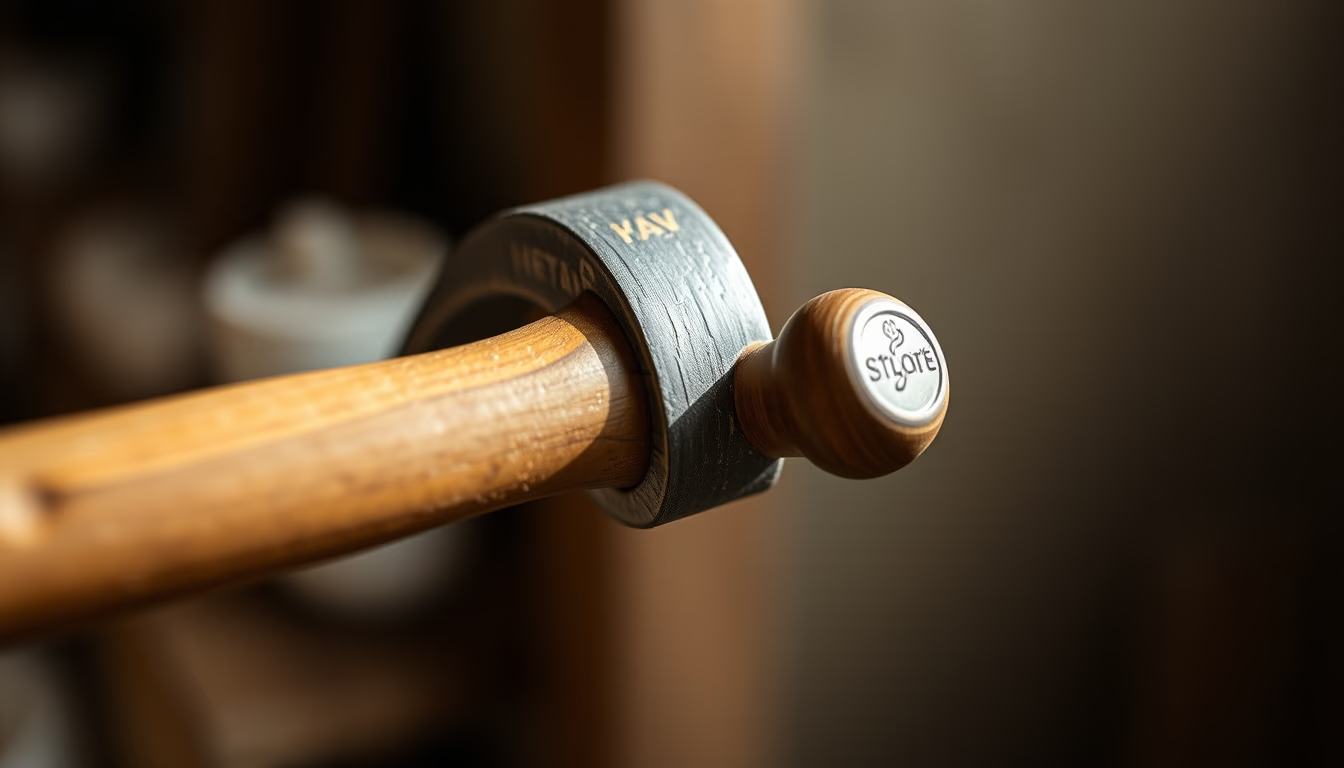
Antique hammer wooden handle
1344×768 · AVIF · CC BY 4.0
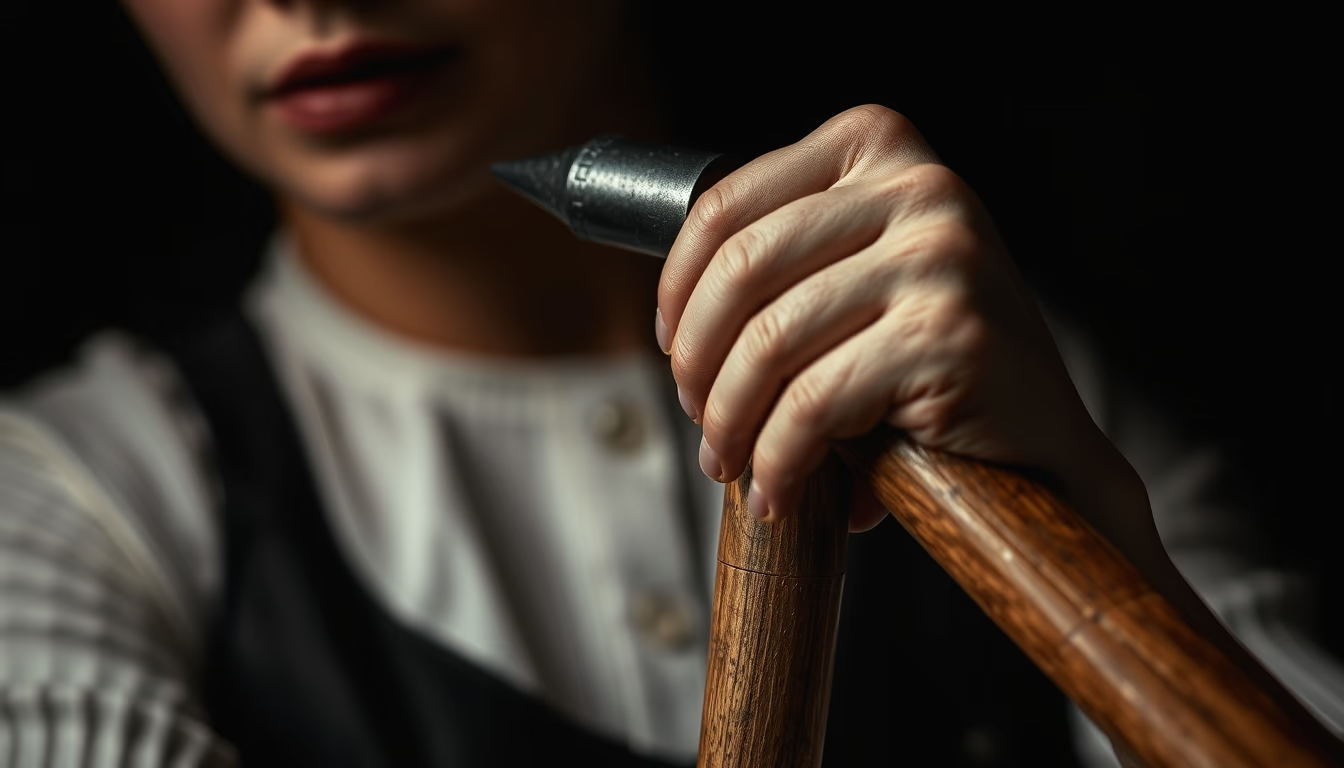
Antique hammers with wooden handles are historical tools used in carpentry and joinery, with a design that has changed little over centuries.
About this subject
The hammer is one of humanity's oldest tools, with records dating back to the Stone Age. Antique models with wooden handles, typical of the 18th and 19th centuries, were hand-forged by blacksmiths. The iron head was heated and shaped on anvils, while the handle, usually oak or ash, was turned and fitted with wedges. This construction provided strength and impact absorption.
In traditional carpentry, the cross-peen hammer was essential for starting nails in wood. The ball-peen hammer was used in metalworking. Head weight varied from 200g to 1kg, determining its application. Original tools from Brazil's colonial period, for example, feature handles made of jacaranda or ipê, native hardwoods with high density.
Interestingly, antique hammers also have collectible value. Pieces signed by renowned blacksmiths or bearing brands like Stanley, Disston, or Vaughan can fetch high prices at auction. Handle wear, head oxidation, and wedge authenticity are factors influencing valuation. Today, these hammers are used in historical restorations or as decorative objects in rustic settings.
Despite modernization with fiber or rubber handles, many professionals still prefer wood for its natural ergonomics and vibration dampening. Wood, when properly maintained with linseed oil, lasts decades without cracking. This artisanal heritage keeps alive the manufacturing technique passed down through generations.
Frequently Asked Questions
How to identify an authentic antique hammer?
Check for blacksmith or manufacturer marks on the head. Wooden handles with original wedges and uneven wear indicate age. Hand-forging marks (hammer marks) and natural oxidation are signs of authenticity.
Which wood is best for a hammer handle?
White oak, ash, and hickory are traditional for their strength and flexibility. In Brazil, jacaranda and ipê are common on colonial tools. The wood should be dry and knot-free to prevent cracking.
Can antique hammers still be used safely?
Yes, if the handle is tight and crack-free. It is recommended to replace damaged handles with new ones of similar wood. The head must be free of deep rust that compromises integrity.
Direct URL
https://pub-c7d6a6ea828543ac903a74a341ccb2e1.r2.dev/imagens/antique-hammer-wooden-handle-high-fashion-editorial-fresh7.avifHow to credit
Include a visible link back to UtilizAí. Copy one of the snippets below:
<a href="https://xn--utiliza-eza.com/en/midia/imagens/antique-hammer-wooden-handle-high-fashion-editorial-fresh7">Antique hammer wooden handle</a> by <a href="https://xn--utiliza-eza.com">UtilizAí</a>, licensed under <a href="https://creativecommons.org/licenses/by/4.0/">CC BY 4.0</a>.
[Antique hammer wooden handle](https://xn--utiliza-eza.com/en/midia/imagens/antique-hammer-wooden-handle-high-fashion-editorial-fresh7) by [UtilizAí](https://xn--utiliza-eza.com), CC BY 4.0
License: CC-BY-4.0