Antique hammer wooden handle
1344×768 · AVIF · CC BY 4.0
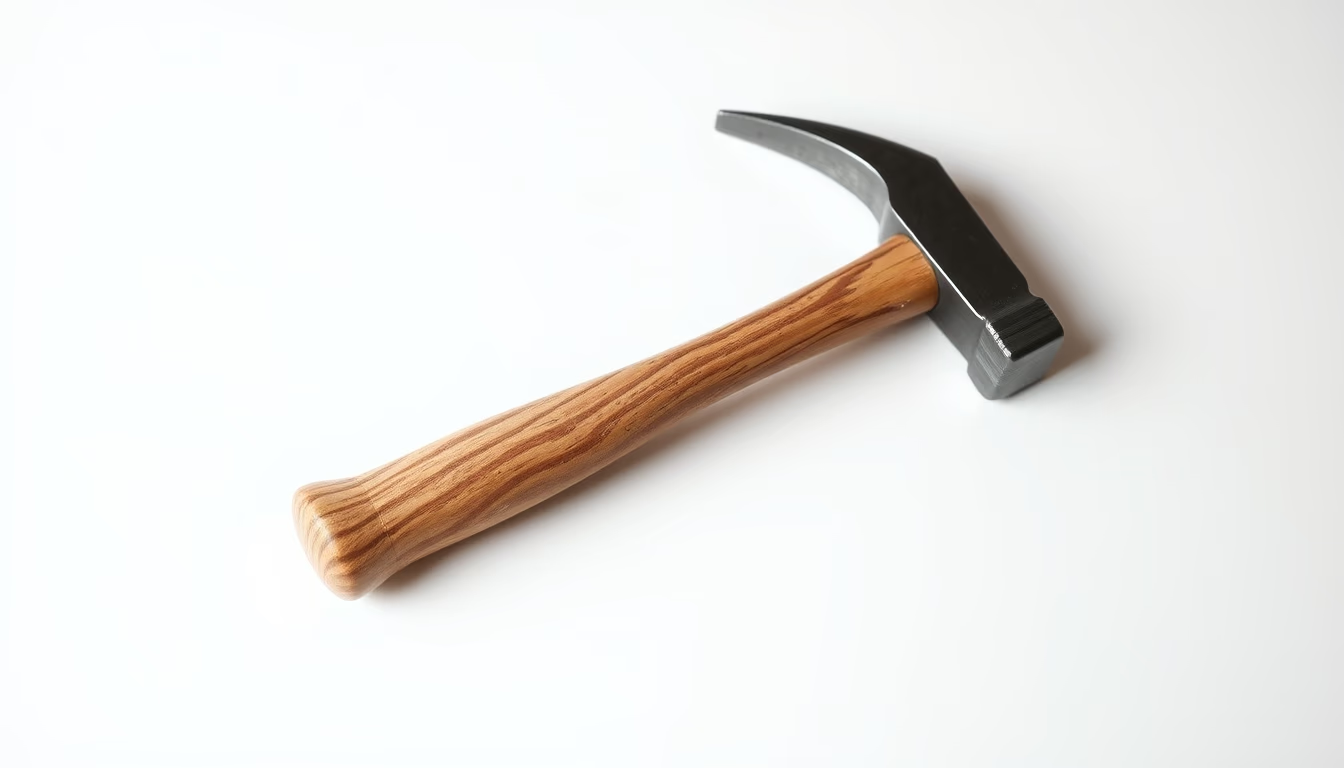
Antique hammer with wooden handle: discover the history, materials, and importance of these tools that marked eras and are still collected.
About this subject
The hammer is one of humanity's oldest tools, with evidence of use dating back over 2 million years. Antique hammers with wooden handles represent a period when manual skill and careful material selection were essential. Until the mid-20th century, wooden handles were standard, made primarily from hardwoods such as hickory, ash, and oak. American hickory, for instance, was favored for its combination of strength, flexibility, and shock absorption.
Antique hammers varied in shape and function. The claw hammer, used in carpentry for driving and extracting nails, had a curved or straight claw. The ball-peen hammer was common in metalworking and blacksmithing, with a hardened steel head and a ball used for shaping metal. The roofing hammer had a magnetic face to hold nails. Renowned manufacturers such as Stanley, Plumb, and Vaughan produced models that are now collectible items.
Dating an antique hammer can be done by observing manufacturer marks, handle attachment methods (metal or wooden wedges), and wear. Early 19th-century hammers typically had thicker wooden handles and hand-forged heads. With the Industrial Revolution, mass production standardized models. Collectors value pieces with original handles and authentic signs of use, which tell the story of the craftsman who wielded them.
Interestingly, restoring antique hammers is a common practice. Replacing a damaged handle with a wooden replica of the same species can preserve authenticity. Ancient tools are also studied by archaeologists to understand manufacturing techniques and technological evolution. Museums and antique fairs often display examples that illustrate the transition from manual labor to mechanization.
Frequently Asked Questions
What is the most common wood for antique hammer handles?
The most common wood is American hickory, valued for its strength and flexibility. Ash, oak, and birch were also used.
How can you determine the age of an antique hammer?
Look for manufacturer marks, handle attachment type (metal or wooden wedges), wear, and head style. 19th-century hammers usually have thicker handles and hand-forged heads.
What was each type of antique hammer used for?
The claw hammer was used in carpentry for driving and pulling nails. The ball-peen hammer was for metalworking and blacksmithing. The roofing hammer had a magnetic face for shingles.
Direct URL
https://pub-c7d6a6ea828543ac903a74a341ccb2e1.r2.dev/imagens/antique-hammer-wooden-handle-commercial-product-photography-fresh5.avifHow to credit
Include a visible link back to UtilizAí. Copy one of the snippets below:
<a href="https://xn--utiliza-eza.com/en/midia/imagens/antique-hammer-wooden-handle-commercial-product-photography-fresh5">Antique hammer wooden handle</a> by <a href="https://xn--utiliza-eza.com">UtilizAí</a>, licensed under <a href="https://creativecommons.org/licenses/by/4.0/">CC BY 4.0</a>.
[Antique hammer wooden handle](https://xn--utiliza-eza.com/en/midia/imagens/antique-hammer-wooden-handle-commercial-product-photography-fresh5) by [UtilizAí](https://xn--utiliza-eza.com), CC BY 4.0
License: CC-BY-4.0