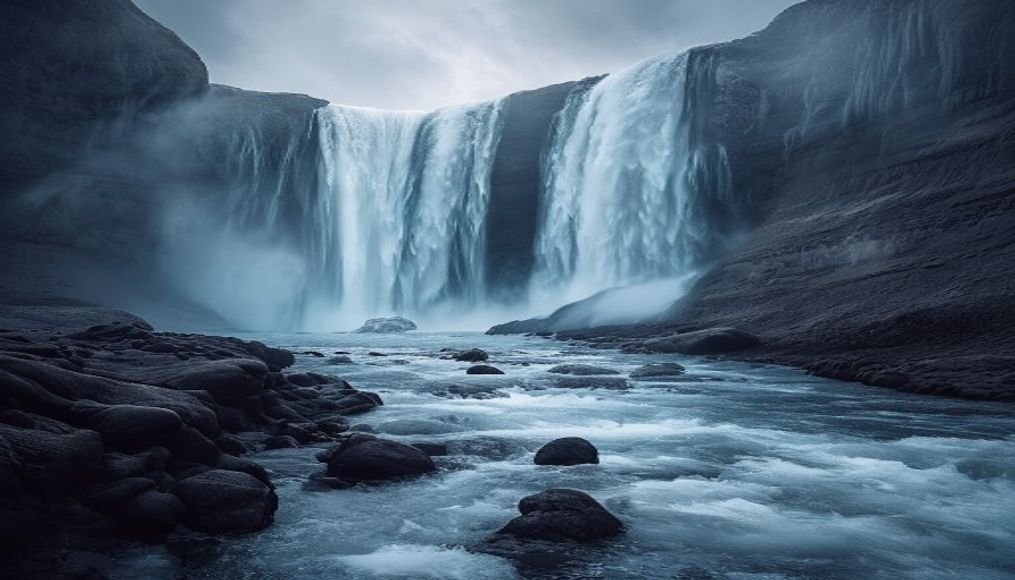
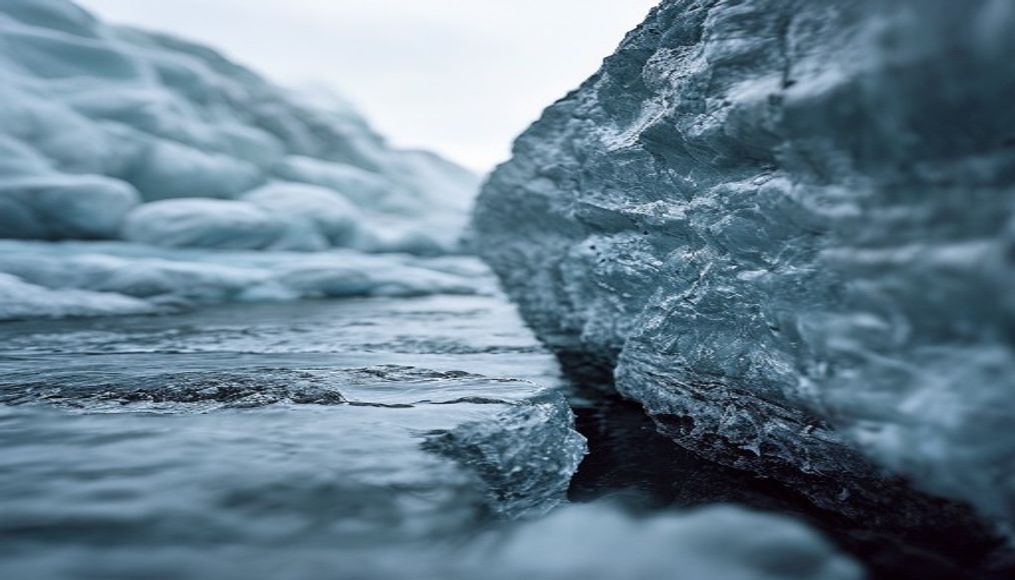
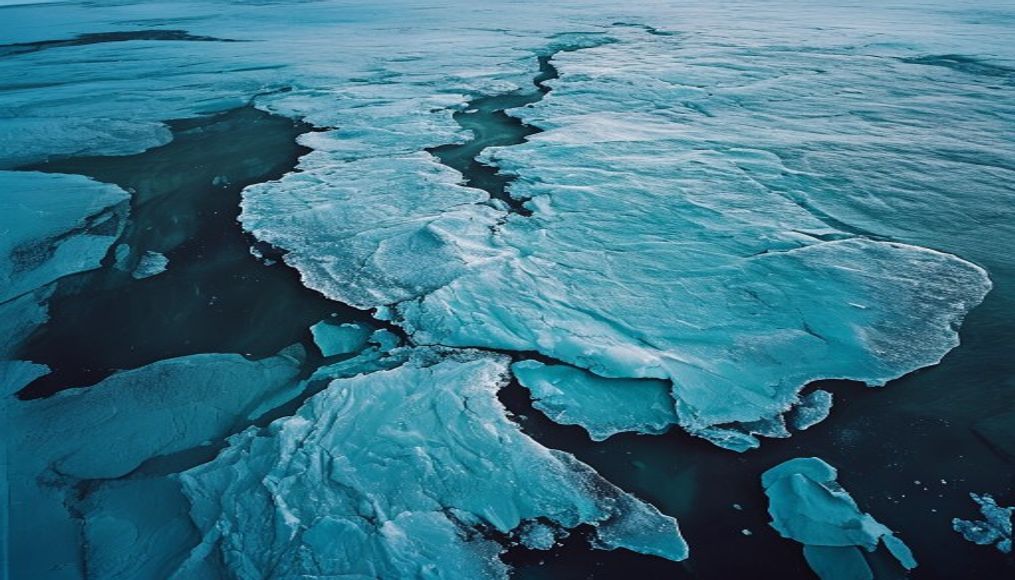
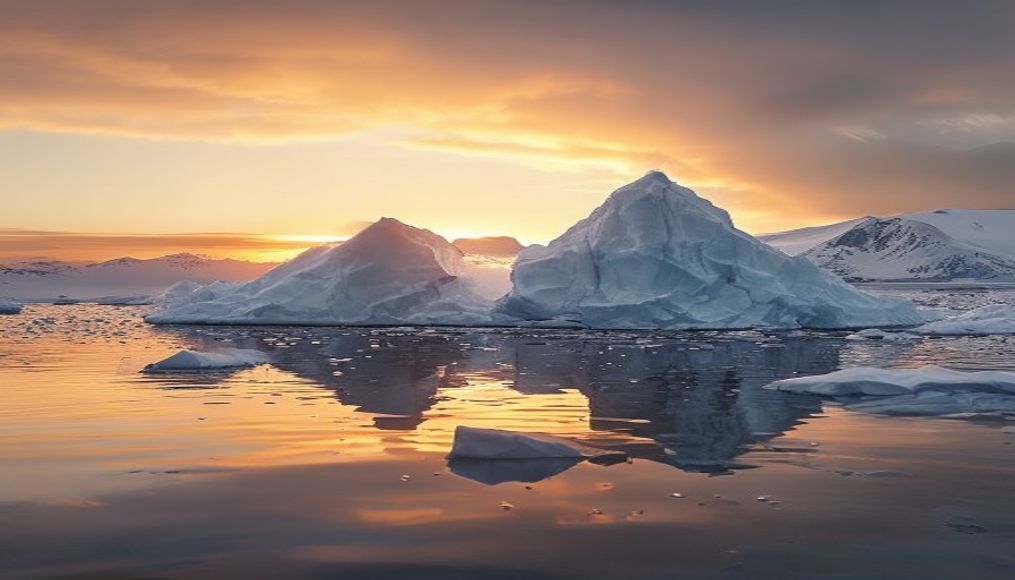
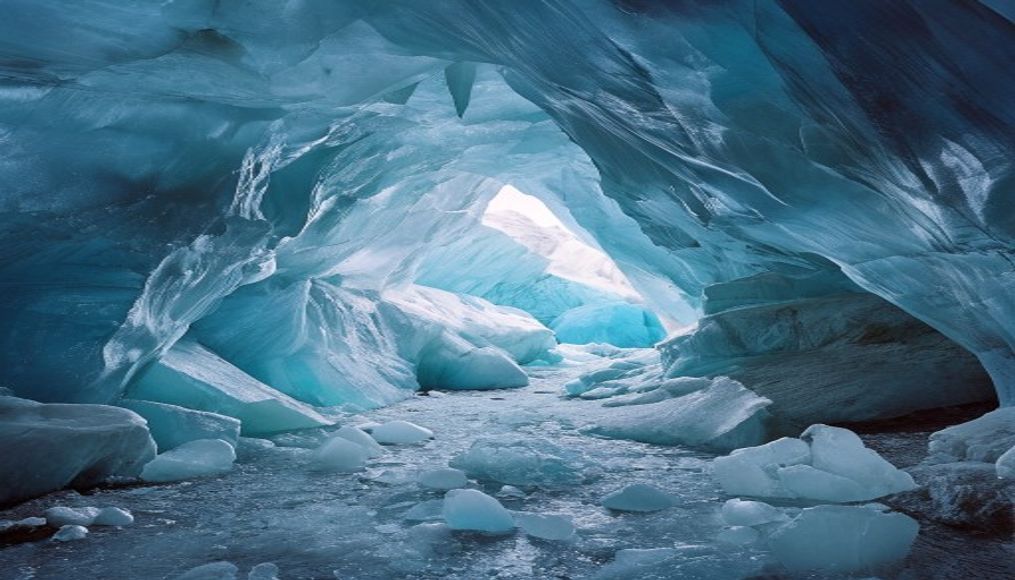
Antarctic ice shelf
1344×768 · AVIF · CC BY 4.0
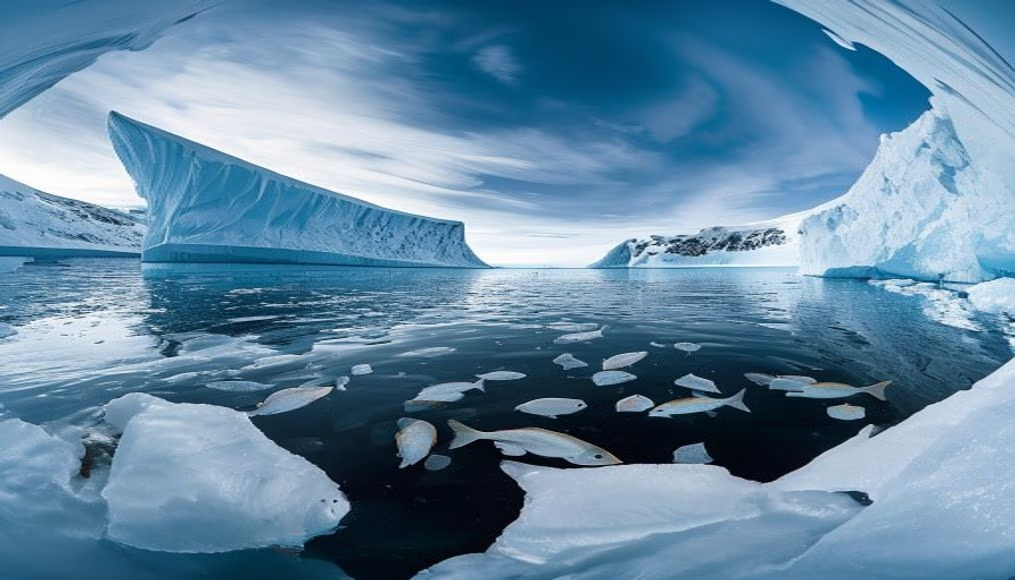
Antarctic ice shelves are floating ice layers extending from the continent, critical for glacier stability and global climate regulation.
About this subject
Antarctic ice shelves, such as the Ross, Filchner-Ronne, and Amery, are vast floating ice sheets extending from the continent. They act as natural buttresses that slow the flow of continental glaciers into the ocean. When these shelves collapse or thin, glaciers behind them accelerate, contributing to sea-level rise. The Ross Ice Shelf is the largest, covering an area roughly the size of France.
These structures form from accumulated snowfall and continental ice outflow. Studying them is key to understanding climate change impacts. Satellite data reveal that many shelves have lost mass in recent decades, especially on the Antarctic Peninsula, where warming is most pronounced. The collapse of the Larsen B Ice Shelf in 2002 exemplifies the risks: within weeks, 3,250 km² of ice disintegrated.
Ice shelves host unique ecosystems beneath their surfaces, with microbial communities and organisms adapted to darkness and extreme cold. Researchers drill through the ice to collect water and sediment samples, revealing life thriving in extreme conditions. Phytoplankton found under the ice indicates ocean circulation that supports the local food web.
Of note: ice shelves can generate seismic waves when they crack or calve icebergs. These 'icequakes' are recorded by seismographs and help monitor ice dynamics. Basal melting from contact with warm ocean water is a primary cause of shelf thinning, a process accelerated by global warming.
Frequently Asked Questions
Why are ice shelves important for global climate?
They buttress continental glaciers, slowing their flow into the ocean. If they collapse, land ice accelerates, raising sea levels and altering ocean and atmospheric circulation patterns.
What causes an ice shelf to collapse?
Thinning occurs mainly from basal melting by warmer ocean waters and from surface meltwater that deepens crevasses. Rapid collapses can be triggered by storms or ocean swells.
Is there life beneath ice shelves?
Yes, complex ecosystems exist with microorganisms, crustaceans, and fish adapted to cold and darkness. Scientists have found sponges and other sessile organisms on the seafloor under hundreds of meters of ice.
Direct URL
https://pub-c7d6a6ea828543ac903a74a341ccb2e1.r2.dev/imagens/antarctic-ice-shelf-fish-eye-wide-angle-p0.avifHow to credit
Include a visible link back to UtilizAí. Copy one of the snippets below:
<a href="https://xn--utiliza-eza.com/en/midia/imagens/antarctic-ice-shelf-fish-eye-wide-angle-p0">Antarctic ice shelf</a> by <a href="https://xn--utiliza-eza.com">UtilizAí</a>, licensed under <a href="https://creativecommons.org/licenses/by/4.0/">CC BY 4.0</a>.
[Antarctic ice shelf](https://xn--utiliza-eza.com/en/midia/imagens/antarctic-ice-shelf-fish-eye-wide-angle-p0) by [UtilizAí](https://xn--utiliza-eza.com), CC BY 4.0
License: CC-BY-4.0