Ancient olive tree gnarled trunk
1344×768 · AVIF · CC BY 4.0
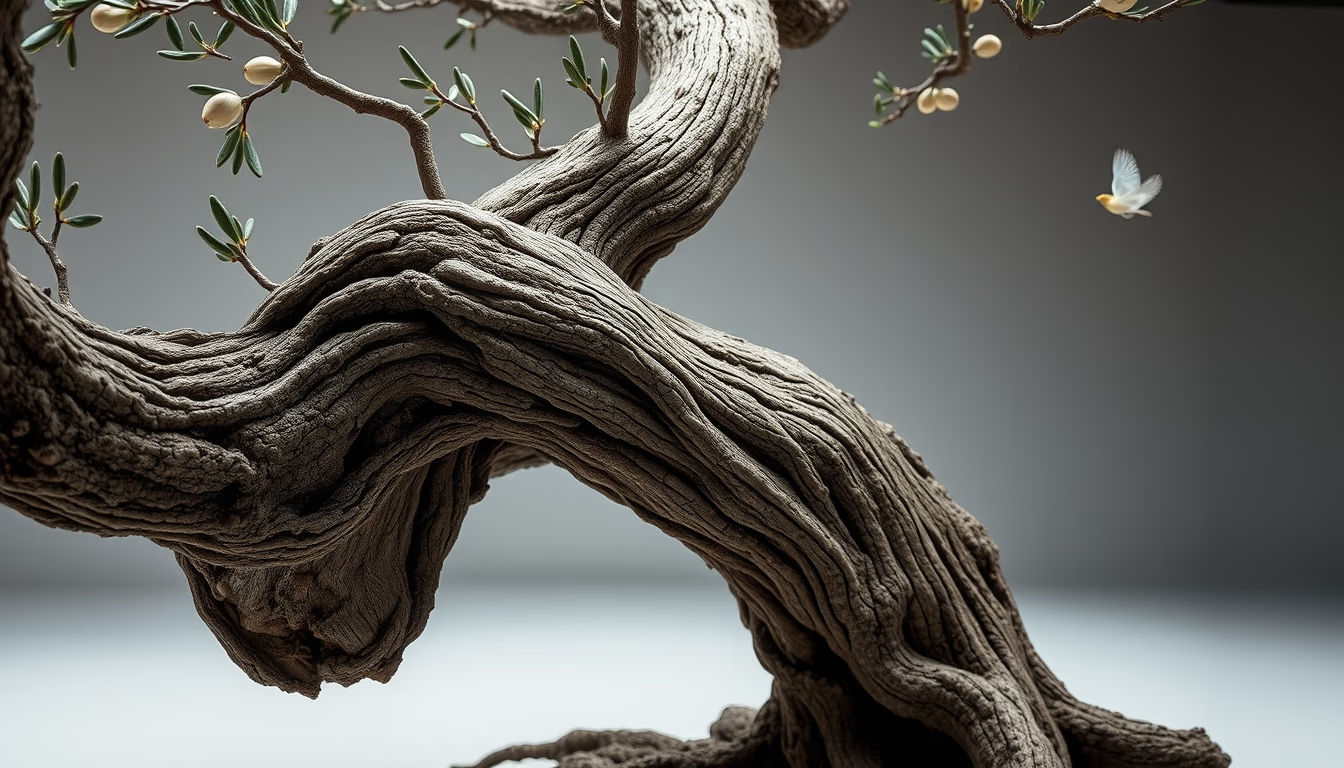
The ancient olive tree displays a gnarled, sculptural trunk, a symbol of resilience and Mediterranean tradition.
About this subject
The olive tree (Olea europaea) is one of the oldest cultivated trees in the world, with domestication records dating back over 6,000 years in the Eastern Mediterranean region. It is renowned for exceptional longevity: specimens in the Mediterranean are estimated to be between 2,000 and 4,000 years old, such as the Olive Trees of Vouves in Crete or those in Al-Badawi, Palestine. The gnarled, twisted trunk, typical of ancient olive trees, results from slow growth and a remarkable ability to regenerate after fires or severe pruning, forming hollows and burls that give a unique sculptural appearance.
Culturally, the olive tree extends beyond olive and oil production. In Greek mythology, goddess Athena gifted Athens with the first olive tree, symbolizing peace and prosperity. Olive branches were awards for winners in the ancient Olympic Games and appear on national flags, such as Brazil's, representing peace. The dense, robust wood of the trunk is used for high-value crafts, while olive oil is the core of the Mediterranean diet, recognized as UNESCO Intangible Cultural Heritage.
Varieties like 'Galega', 'Arbequina', and 'Kalamata' produce fruits with distinct flavor profiles, but all share the ability to thrive in poor soils and arid climates due to deep roots and water-retentive leaves. In Italy, ancient olive trees are protected by strict laws, and in Spain, the olive groves of Andalusia are among the world's largest. The gnarled trunk of an ancient olive tree is not only a sign of age but a testament to its adaptation and resilience through centuries.
Frequently Asked Questions
How long can an olive tree live?
Olive trees can live for thousands of years. Verified specimens over 2,000 years old exist in the Mediterranean, and some estimates range up to 4,000 years for trees like those in Vouves, Crete.
Why do ancient olive trees have gnarled trunks?
Slow growth combined with repeated pruning or natural damage (such as fire and wind) forces the tree to regenerate new shoots and heal over time, resulting in a knobby, hollowed trunk typical of aged olive trees.
What is the cultural significance of the olive tree?
The olive tree symbolizes peace, wisdom, and prosperity across many cultures. It was sacred in ancient Greece, associated with the goddess Athena, and its branches crowned Olympic victors. Today, olive oil is central to the Mediterranean diet.
Direct URL
https://pub-c7d6a6ea828543ac903a74a341ccb2e1.r2.dev/imagens/ancient-olive-tree-gnarled-trunk-studio-editorial-portrait-p2.avifHow to credit
Include a visible link back to UtilizAí. Copy one of the snippets below:
<a href="https://xn--utiliza-eza.com/en/midia/imagens/ancient-olive-tree-gnarled-trunk-studio-editorial-portrait-p2">Ancient olive tree gnarled trunk</a> by <a href="https://xn--utiliza-eza.com">UtilizAí</a>, licensed under <a href="https://creativecommons.org/licenses/by/4.0/">CC BY 4.0</a>.
[Ancient olive tree gnarled trunk](https://xn--utiliza-eza.com/en/midia/imagens/ancient-olive-tree-gnarled-trunk-studio-editorial-portrait-p2) by [UtilizAí](https://xn--utiliza-eza.com), CC BY 4.0
License: CC-BY-4.0