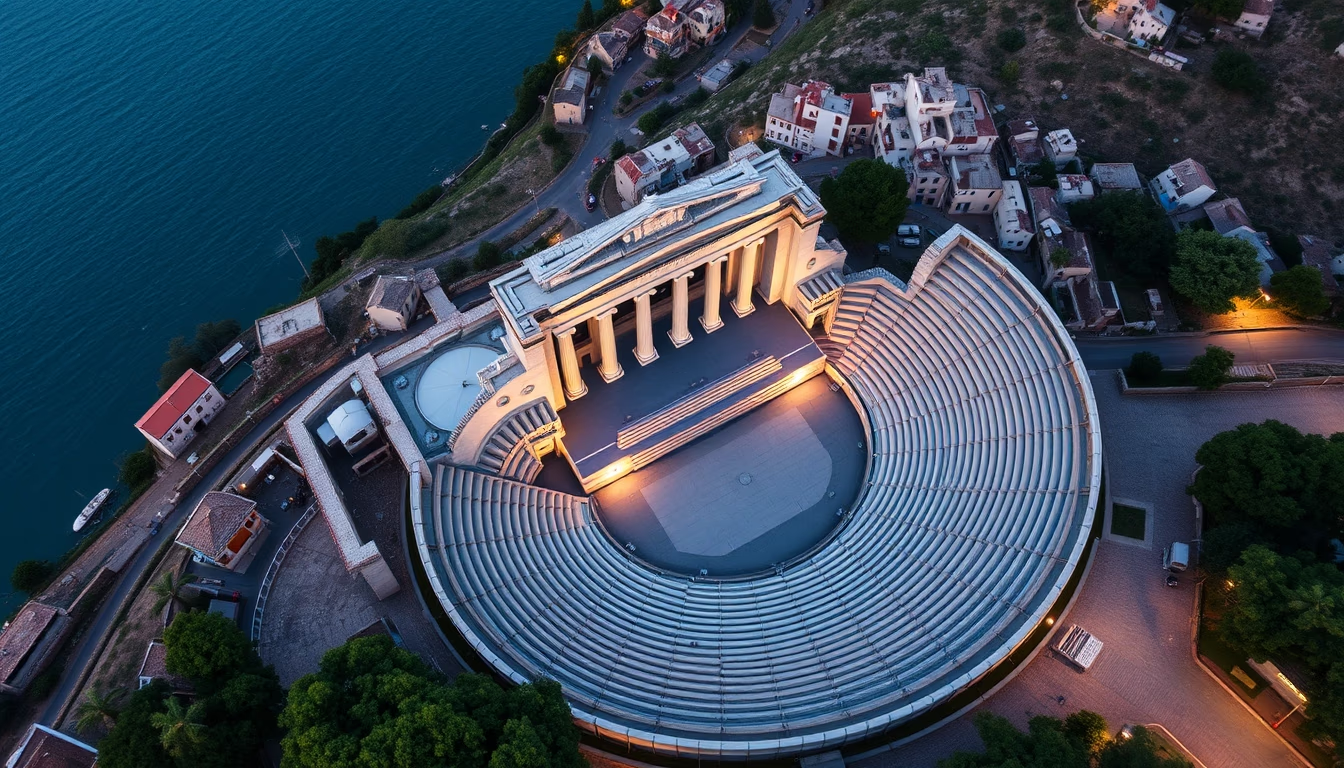
Amphitheater greek
1344×768 · AVIF · CC BY 4.0
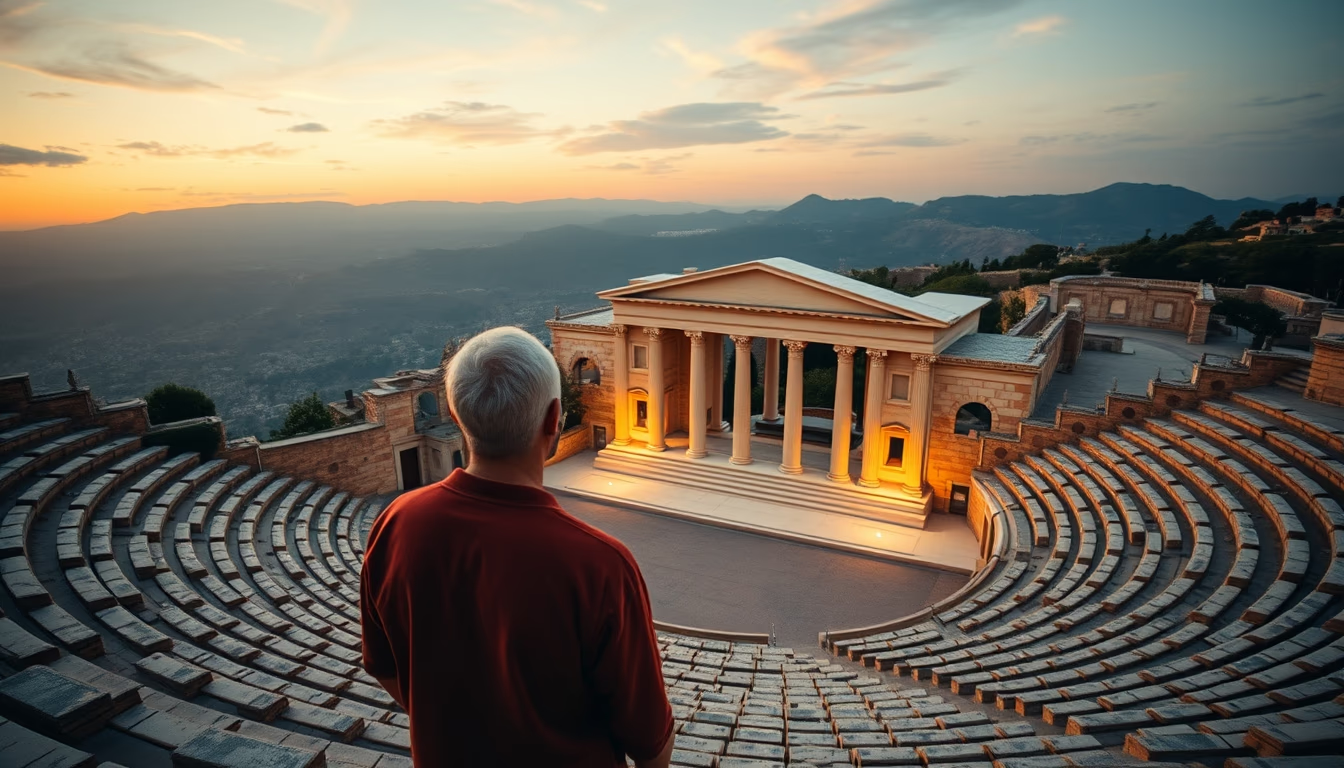
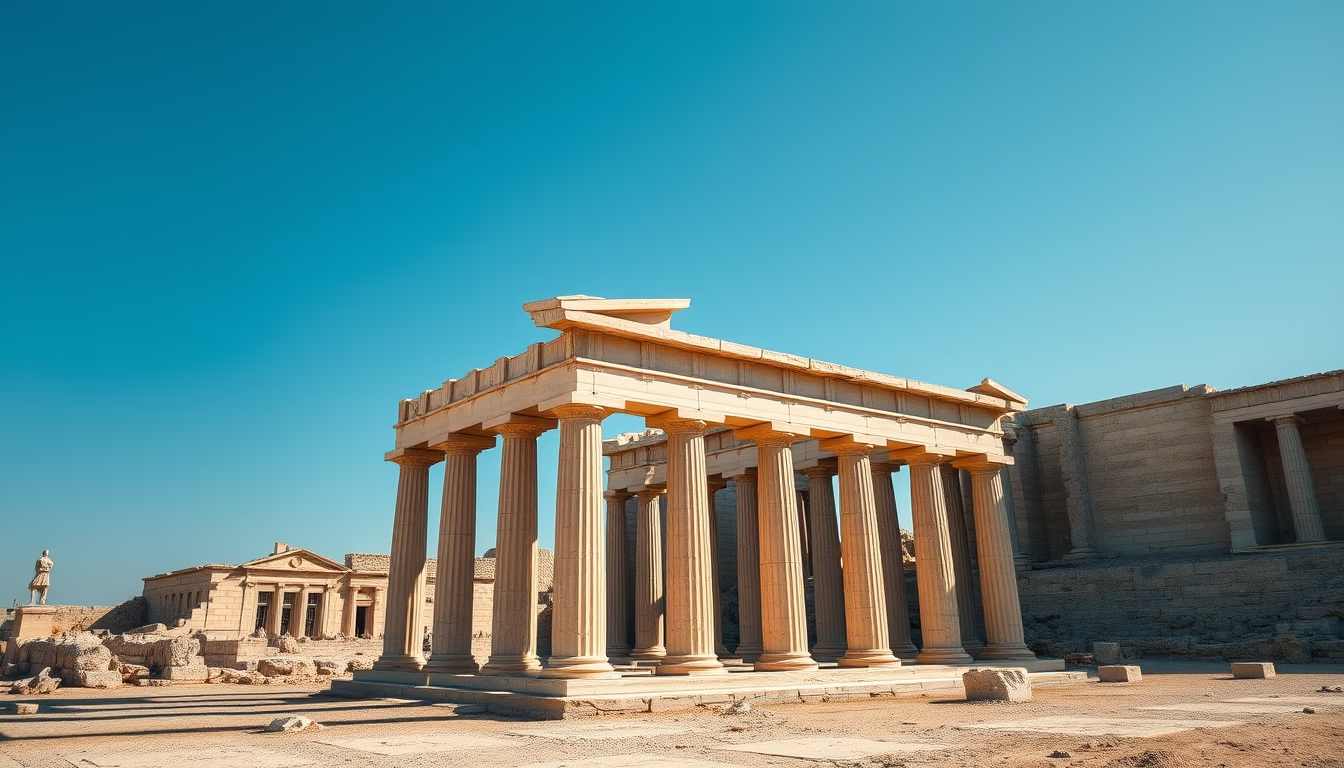
Greek amphitheaters, such as the one in Epidaurus, are landmarks of classical architecture and ancient Greek theatrical culture.
About this subject
Greek amphitheaters, also known as Greek theaters, were built from the 5th century BC onwards and are one of the most impressive legacies of classical architecture. Unlike Roman amphitheaters, which were arenas for combat, Greek ones were primarily dedicated to theatrical performances, music, and political assemblies. They were constructed on natural slopes to take advantage of acoustics, as seen in the famous Theater of Epidaurus, which seats about 14,000 spectators and is renowned for its perfect acoustics. The typical structure included the orchestra (circular space for the chorus), the skené (background building for costume changes), and the semicircular seating called the theatron. Greek theater was a central part of civic and religious life, and festivals like the Dionysia in Athens encouraged competition among playwrights such as Sophocles, Euripides, and Aeschylus. The word "theater" comes from the Greek "theatron," meaning "place for seeing." Today, many of these amphitheaters are still used for performances, keeping the ancient cultural tradition alive. The preservation of sites like the Theater of Dionysus in Athens and the one in Syracuse, Sicily, attracts scholars and tourists worldwide, connecting past and present through dramatic art.
Frequently Asked Questions
What is the difference between a Greek and a Roman amphitheater?
Greek amphitheaters were built on natural slopes in a semicircular shape, used for theatrical and musical performances. Roman amphitheaters were freestanding, oval or circular structures used for gladiatorial combats and public spectacles.
Which Greek amphitheater is the best preserved?
The Theater of Epidaurus in Greece is considered the best preserved Greek amphitheater, famous for its exceptional acoustics and capacity of 14,000 spectators.
Are Greek amphitheaters still used today?
Yes, many Greek amphitheaters, such as Epidaurus and the Odeon of Herodes Atticus in Athens, host theatrical and musical performances during summer festivals, keeping the tradition alive.
Direct URL
https://pub-c7d6a6ea828543ac903a74a341ccb2e1.r2.dev/imagens/amphitheater-greek-cinematic-wide-shot-p3.avifHow to credit
Include a visible link back to UtilizAí. Copy one of the snippets below:
<a href="https://xn--utiliza-eza.com/en/midia/imagens/amphitheater-greek-cinematic-wide-shot-p3">Amphitheater greek</a> by <a href="https://xn--utiliza-eza.com">UtilizAí</a>, licensed under <a href="https://creativecommons.org/licenses/by/4.0/">CC BY 4.0</a>.
[Amphitheater greek](https://xn--utiliza-eza.com/en/midia/imagens/amphitheater-greek-cinematic-wide-shot-p3) by [UtilizAí](https://xn--utiliza-eza.com), CC BY 4.0
License: CC-BY-4.0