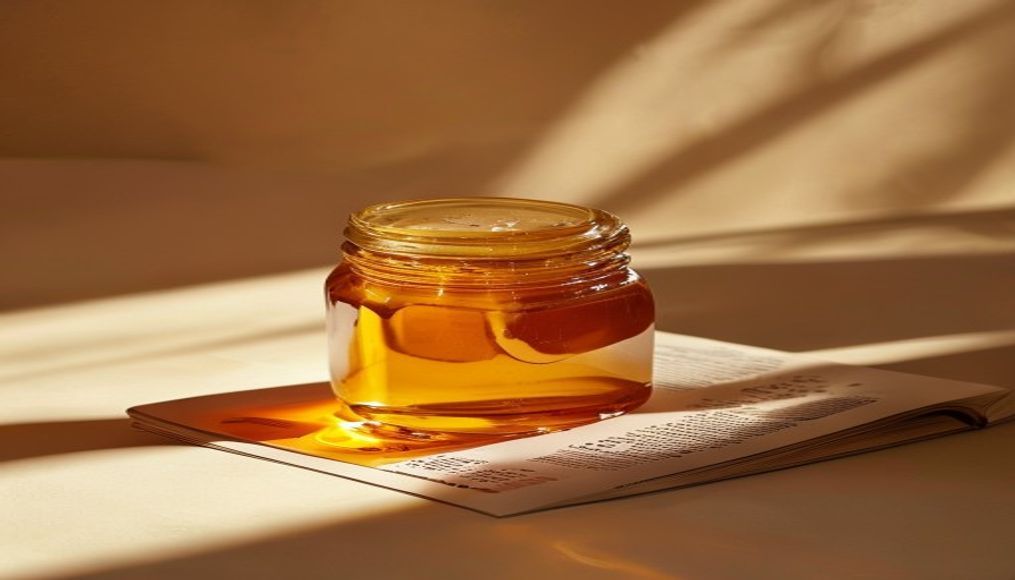
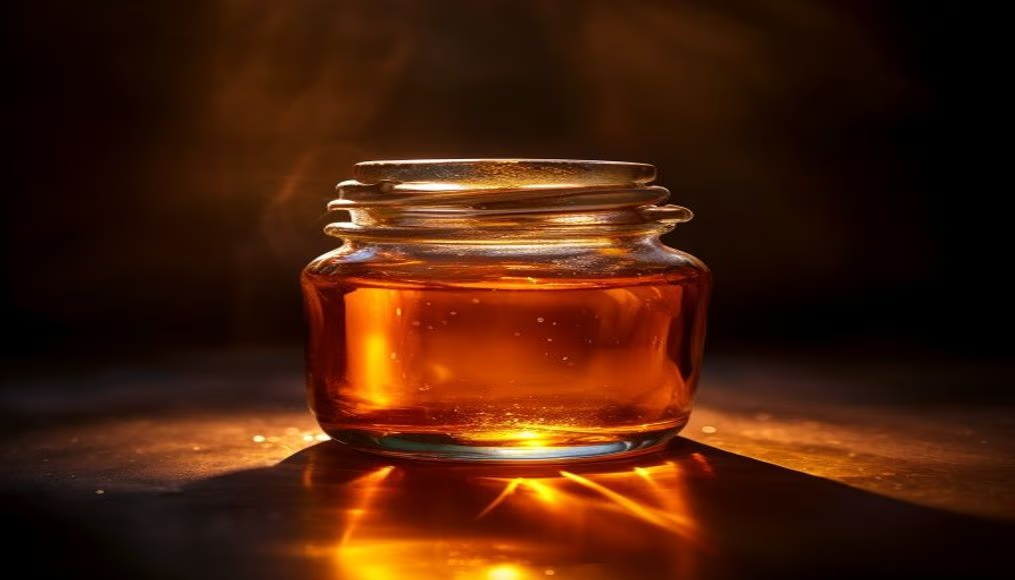
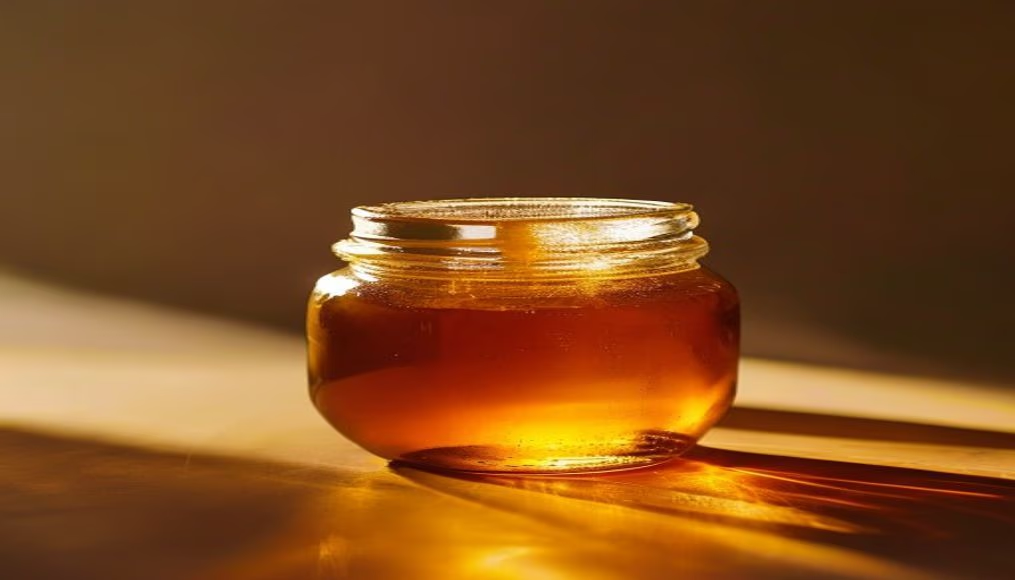
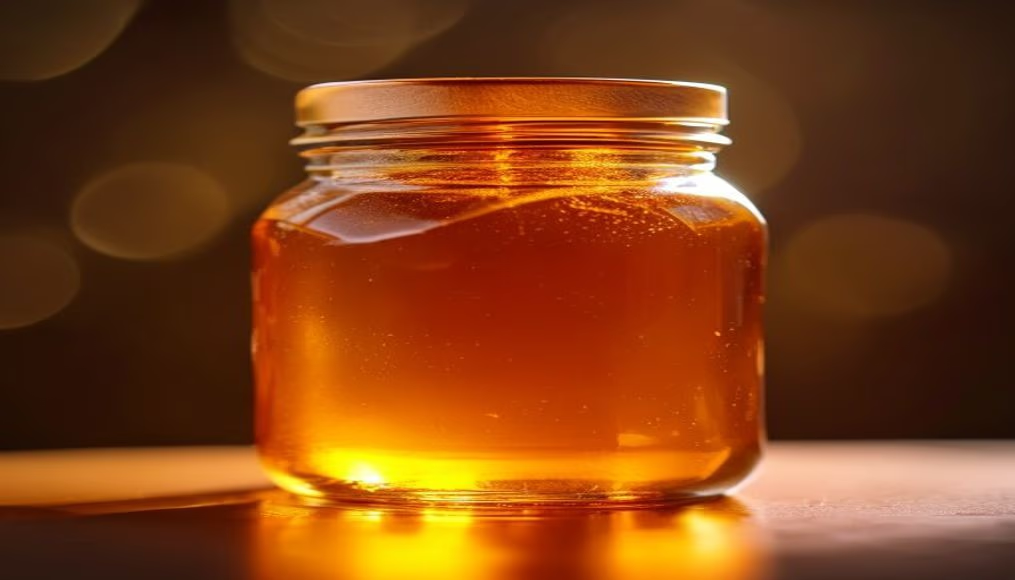
Amber resin insect inside
1344×768 · AVIF · CC BY 4.0
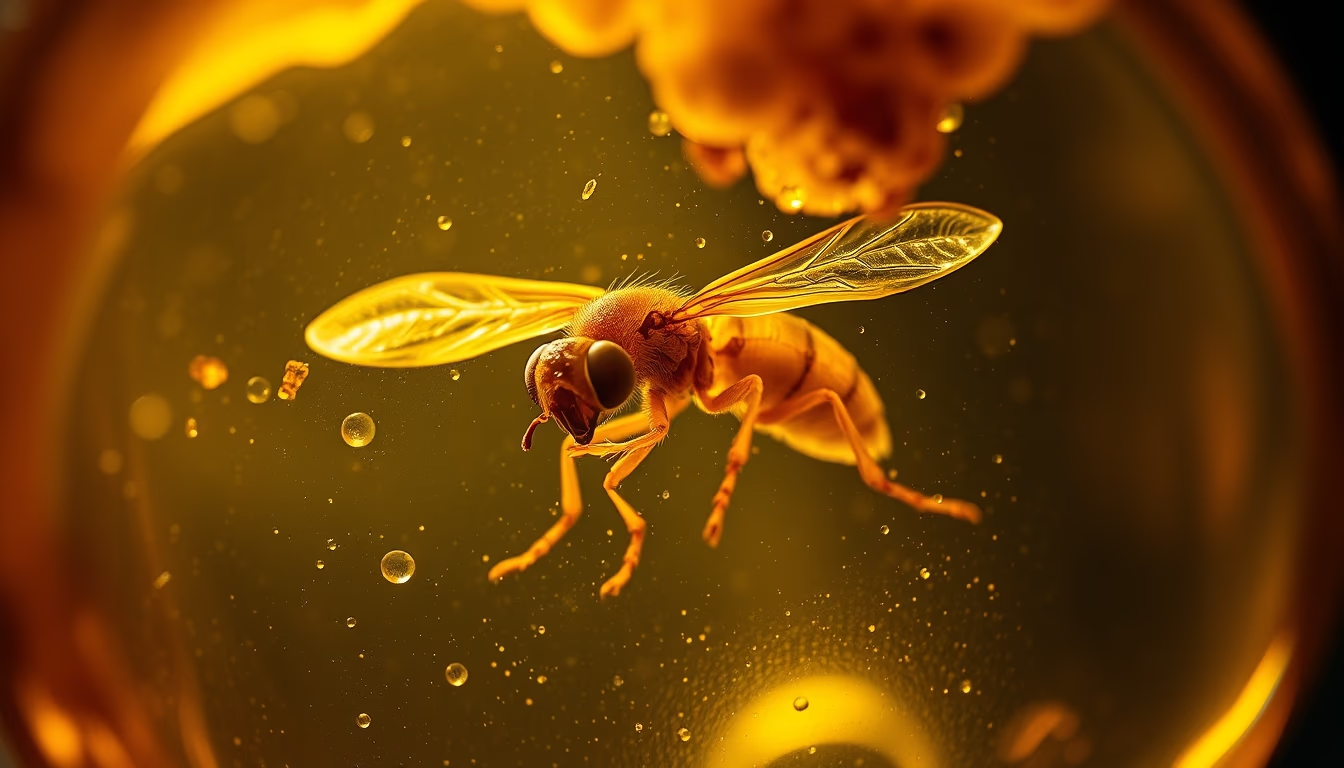
Fossilized amber with an insect preserved for millions of years. Wide-angle details reveal the internal structure of the inclusion.
About this subject
Amber is fossilized tree resin, produced mainly by conifers and some angiosperms, which over millions of years undergoes polymerization and oxidation. When resin flowed down trunks, small organisms such as insects, spiders, and even vertebrates could become trapped, sealed and preserved in microscopic detail. This process occurred primarily during the Cretaceous and Eocene periods, with famous deposits in Myanmar (Burma), the Baltic region, and the Dominican Republic. Insect inclusions in amber are extremely valuable to paleontology, as they allow the study of morphology and behavior of extinct species with unparalleled precision. The original resin contains volatile compounds that act as dehydrating agents and antimicrobials, preventing decay. Amber can also preserve ancient DNA, although degradation remains a challenge. In popular culture, amber with insects inspired the movie Jurassic Park, though cloning from preserved DNA is impractical. Specimens with inclusions are classified as organic gems and highly sought after by collectors and museums.
Frequently Asked Questions
How does an insect get trapped in amber?
When resin flows from a tree, it can engulf small organisms. The sticky resin surrounds the insect, and over time it hardens and fossilizes, preserving the insect inside.
How old is amber with insects?
Age varies by location. Burmese amber is about 99 million years old (Cretaceous), while Baltic amber is around 44 million years old (Eocene).
Can DNA be extracted from insects preserved in amber?
Fragments of ancient DNA have been recovered from amber, but chemical degradation and contamination make obtaining complete sequences extremely difficult. Cloning as in Jurassic Park is not feasible.
Direct URL
https://pub-c7d6a6ea828543ac903a74a341ccb2e1.r2.dev/imagens/amber-resin-insect-inside-fish-eye-wide-angle-p10.avifHow to credit
Include a visible link back to UtilizAí. Copy one of the snippets below:
<a href="https://xn--utiliza-eza.com/en/midia/imagens/amber-resin-insect-inside-fish-eye-wide-angle-p10">Amber resin insect inside</a> by <a href="https://xn--utiliza-eza.com">UtilizAí</a>, licensed under <a href="https://creativecommons.org/licenses/by/4.0/">CC BY 4.0</a>.
[Amber resin insect inside](https://xn--utiliza-eza.com/en/midia/imagens/amber-resin-insect-inside-fish-eye-wide-angle-p10) by [UtilizAí](https://xn--utiliza-eza.com), CC BY 4.0
License: CC-BY-4.0