Agronomist with tablet in field analyzing crop data
1344×768 · AVIF · CC BY 4.0
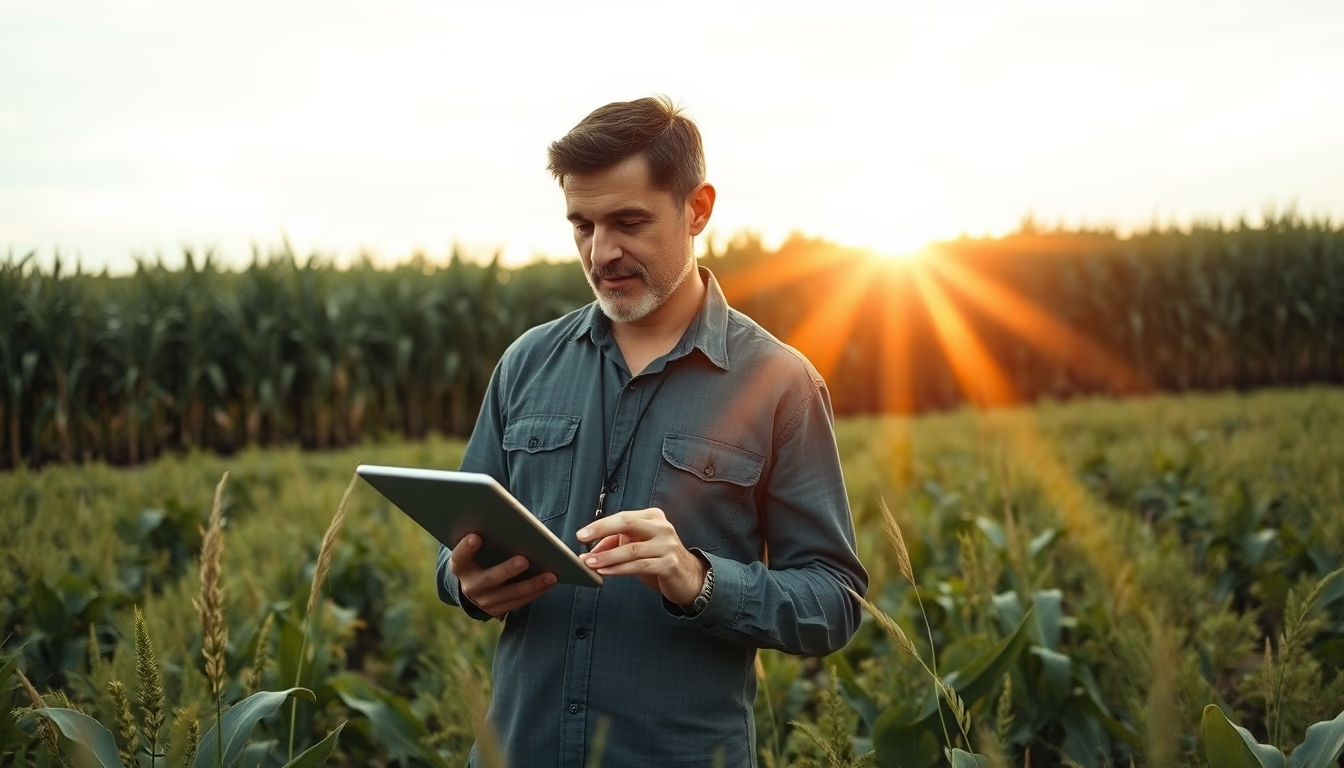
Agronomist uses tablet to analyze crop data in the field, under overcast sky, in Brazil.
About this subject
The use of technology in the field has transformed Brazilian agriculture in recent decades. Agronomists, professionals responsible for optimizing agricultural production, now rely on tablets and management software to monitor variables such as soil moisture, vegetation index (NDVI), and pests in real time. This practice, known as precision agriculture, enables data-driven decisions, reducing costs and increasing productivity.
In Brazil, the world's largest exporter of soybeans, coffee, and sugar, the adoption of digital technologies is growing rapidly. According to Embrapa, over 60% of Brazilian rural properties already use some form of precision agriculture technology. The agronomist's field work, often under adverse weather conditions like an overcast sky, is essential to validate data collected by remote sensors and drones.
On-site data analysis allows quick identification of issues such as nutrient deficiency or insect infestation, adjusting input application locally. This not only improves efficiency but also reduces environmental impact. The image of an agronomist with a tablet symbolizes the modernization of Brazilian agribusiness, combining technical knowledge with digital tools to ensure global food security.
Frequently Asked Questions
What is precision agriculture?
Precision agriculture is a farm management system that uses technologies like GPS, sensors, and software to monitor and optimize crop cultivation, applying inputs locally according to the needs of each area.
How important is the agronomist in the field?
The agronomist is essential for planning, executing, and monitoring agricultural activities, ensuring productivity, sustainability, and efficient use of resources. They interpret data and make technical decisions that directly impact the harvest.
How does overcast weather affect the agronomist's work?
Overcast weather can hinder the use of optical sensors and drones, but it does not prevent data collection with tablets and manual equipment. In fact, cloudy days are common in many Brazilian agricultural regions, and the agronomist must be prepared to work under any condition.
Direct URL
https://pub-c7d6a6ea828543ac903a74a341ccb2e1.r2.dev/imagens/agronomist-with-tablet-in-field-analyzing-crop-data-editorial-overcast-daytime-3.avifHow to credit
Include a visible link back to UtilizAí. Copy one of the snippets below:
<a href="https://xn--utiliza-eza.com/en/midia/imagens/agronomist-with-tablet-in-field-analyzing-crop-data-editorial-overcast-daytime-3">Agronomist with tablet in field analyzing crop data</a> by <a href="https://xn--utiliza-eza.com">UtilizAí</a>, licensed under <a href="https://creativecommons.org/licenses/by/4.0/">CC BY 4.0</a>.
[Agronomist with tablet in field analyzing crop data](https://xn--utiliza-eza.com/en/midia/imagens/agronomist-with-tablet-in-field-analyzing-crop-data-editorial-overcast-daytime-3) by [UtilizAí](https://xn--utiliza-eza.com), CC BY 4.0
License: CC-BY-4.0