Abstract waves blue
1344×768 · AVIF · CC BY 4.0
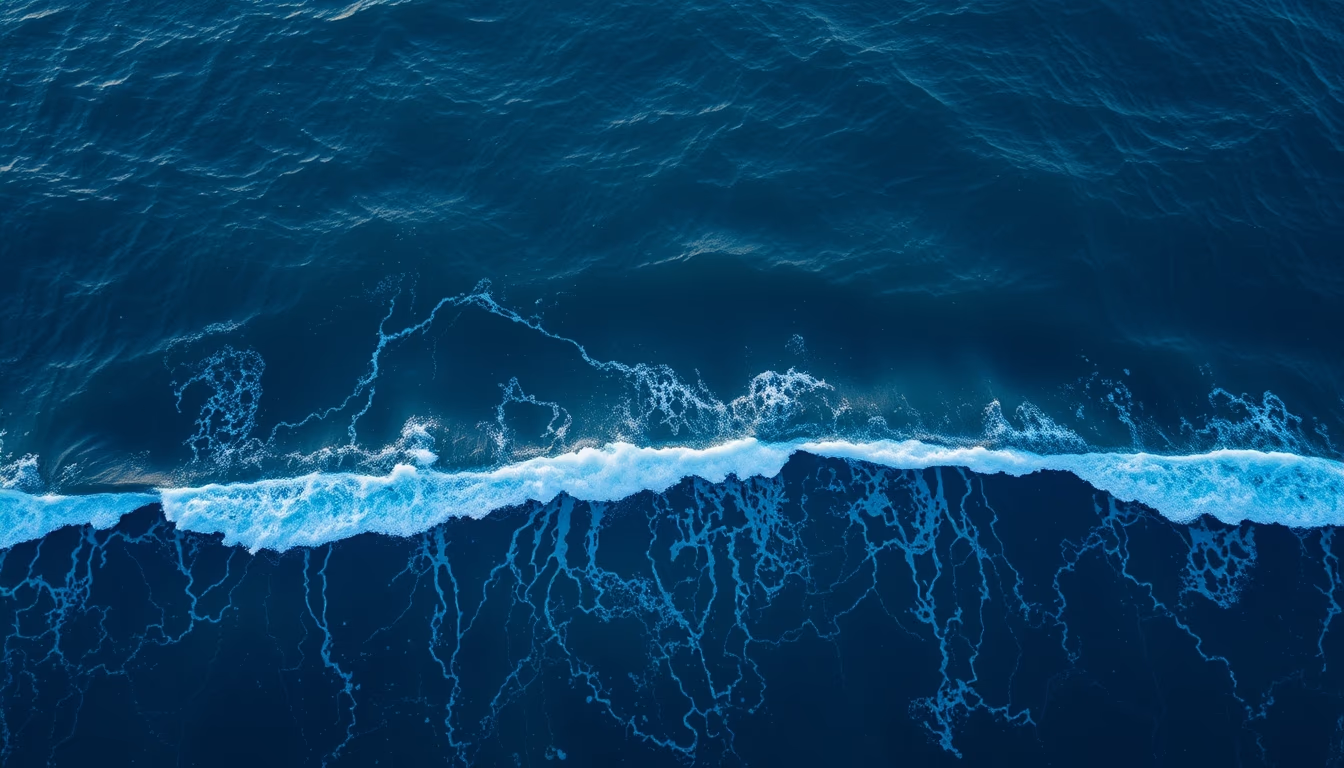
Abstract blue waves seen from above reveal hypnotic patterns on the ocean surface, captured by aerial drone in high resolution.
About this subject
Ocean waves are generated by wind blowing across the water surface. The height, length, and orientation of waves depend on wind speed, duration, and the distance over which the wind blows (known as fetch). In deep water, waves from different directions can overlap, creating interference patterns that form complex geometric shapes. From a drone perspective, these interactions produce parallel lines, cross seas, and calm areas that resemble an abstract canvas.
The intense blue color comes from selective absorption of light by water. Red light is absorbed more quickly, while blue light penetrates deeper and is reflected back, especially in clear, deep waters. The presence of phytoplankton or sediment can alter the hue, but in this abstract image, the pure blue highlights the clarity of the water. Aerial photographs like this are used in oceanographic studies to map currents, upwelling zones, and coastal erosion patterns.
Abstract wave photography gained popularity with the advancement of high-resolution drones. Artists and scientists use these images to document the dynamic beauty of the ocean and to monitor environmental changes. Locations such as the Great Barrier Reef, the Maldives, and the coast of Hawaii are famous for their visually striking wave patterns, but even lesser-known seas yield unique abstract compositions when viewed from above.
Frequently Asked Questions
What causes the geometric patterns seen in waves from above?
Geometric patterns are caused by the overlapping of waves from different directions, a phenomenon known as wave interference. Factors such as wind, ocean currents, and seafloor topography contribute to the formation of these designs.
Why does the ocean appear blue in this image?
Water selectively absorbs light: red light is absorbed quickly, while blue light penetrates deeper and is reflected back. In clear, deep waters, this reflection gives the ocean an intense blue color.
Do these abstract images have practical applications?
Yes, they are used in oceanography to study currents, waves, and coastal erosion. They also assist in environmental monitoring, such as detecting pollution or algal blooms.
Direct URL
https://pub-c7d6a6ea828543ac903a74a341ccb2e1.r2.dev/imagens/abstract-waves-blue-aerial-drone-shot-p1.avifHow to credit
Include a visible link back to UtilizAí. Copy one of the snippets below:
<a href="https://xn--utiliza-eza.com/en/midia/imagens/abstract-waves-blue-aerial-drone-shot-p1">Abstract waves blue</a> by <a href="https://xn--utiliza-eza.com">UtilizAí</a>, licensed under <a href="https://creativecommons.org/licenses/by/4.0/">CC BY 4.0</a>.
[Abstract waves blue](https://xn--utiliza-eza.com/en/midia/imagens/abstract-waves-blue-aerial-drone-shot-p1) by [UtilizAí](https://xn--utiliza-eza.com), CC BY 4.0
License: CC-BY-4.0