78 rpm shellac vintage
1344×768 · AVIF · CC BY 4.0

Discover the history of 78 rpm shellac records, the carriers of 20th century popular music and symbols of an analog era.
About this subject
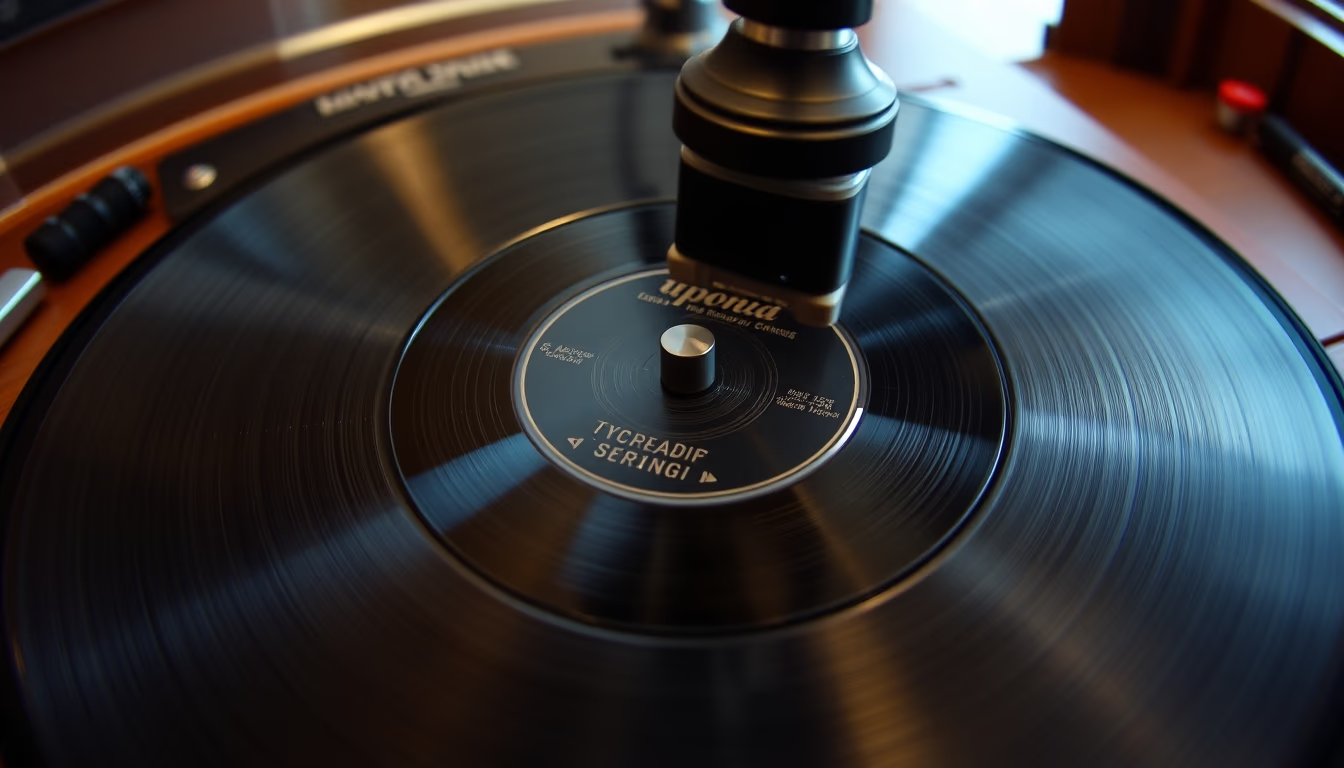
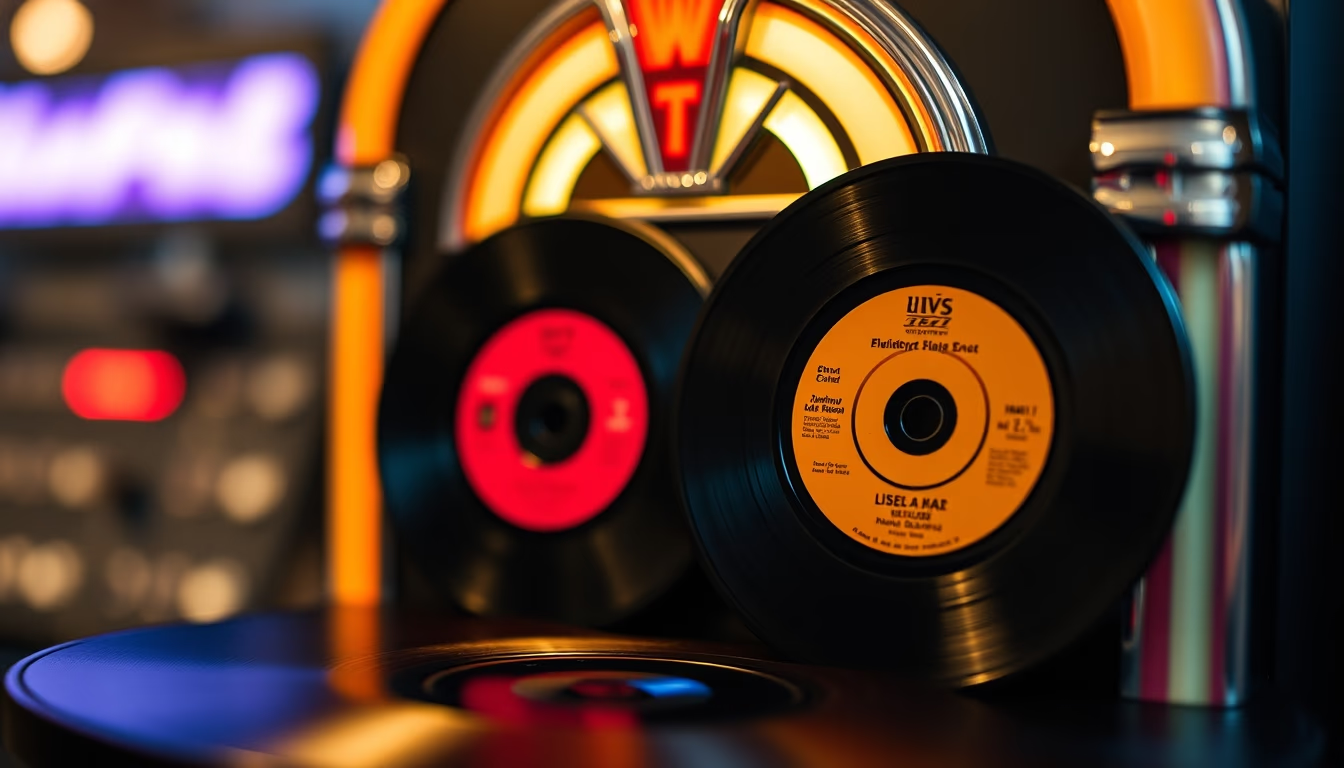
78 rpm (revolutions per minute) records were the primary format for sound recording from the late 1890s to the early 1950s. Made from shellac, a natural resin secreted by lac insects, mixed with calcium carbonate, slate dust, and cotton fibers, these discs were heavy and extremely brittle. A single drop could shatter them, unlike later vinyl records. The 78 rpm speed allowed about 3 to 5 minutes of audio per side, which shaped the duration of popular songs of the era.
These records were instrumental in spreading genres such as jazz, blues, samba, choro, and classical music. In Brazil, the recording industry thrived with 78 rpm discs by artists like Pixinguinha, Carmen Miranda, and Noel Rosa. Master recordings were cut directly onto wax, then electroformed in metal for pressing. The handcrafted process limited audio quality, producing characteristic hisses and pops that today are cherished as marks of vintage authenticity.
With the introduction of the 33⅓ rpm vinyl LP by Columbia in 1948 and the 45 rpm single by RCA, the 78 rpm format declined. Commercial pressings ceased by the early 1960s. Today, collectors value these discs not only for rarity but for the unique timbre capturing the essence of early acoustic and electric recordings. Restoration requires specific techniques, such as cleaning with distilled water and isopropyl alcohol, and using 3-mil (3 thousandths of an inch) styluses for playback.
The revival of interest in analog media has brought new attention to 78 rpm records. Museums and digital archives, like the Discografia Brasileira project of the Instituto Moreira Salles, work to preserve these treasures. The retro aesthetic also makes them decorative items and element in fashion editorials, celebrating the elegance of vintage objects that tell the story of recorded music.
Frequently Asked Questions
What is the difference between 78 rpm and vinyl records?
78 rpm records are made of shellac, a brittle material that breaks easily, while vinyl records are made of polyvinyl chloride (PVC), which is more flexible and durable. Additionally, 78s have wider grooves and require 3-mil styli, compared to 1-mil for vinyl.
Why do 78 rpm records break so easily?
The shellac composition mixed with mineral fillers makes the disc rigid and brittle. Unlike vinyl, which deforms under pressure, shellac has no elasticity and shatters upon impact.
How should I store shellac records?
Store them vertically in a dry, temperature-stable environment, away from heat sources and humidity. Use acid-free inner sleeves and avoid stacking them horizontally to prevent warping or breaking.
Direct URL
https://pub-c7d6a6ea828543ac903a74a341ccb2e1.r2.dev/imagens/78-rpm-shellac-vintage-high-fashion-editorial-fresh11.avifHow to credit
Include a visible link back to UtilizAí. Copy one of the snippets below:
<a href="https://xn--utiliza-eza.com/en/midia/imagens/78-rpm-shellac-vintage-high-fashion-editorial-fresh11">78 rpm shellac vintage</a> by <a href="https://xn--utiliza-eza.com">UtilizAí</a>, licensed under <a href="https://creativecommons.org/licenses/by/4.0/">CC BY 4.0</a>.
[78 rpm shellac vintage](https://xn--utiliza-eza.com/en/midia/imagens/78-rpm-shellac-vintage-high-fashion-editorial-fresh11) by [UtilizAí](https://xn--utiliza-eza.com), CC BY 4.0
License: CC-BY-4.0