45 rpm jukebox singles
1344×768 · AVIF · CC BY 4.0
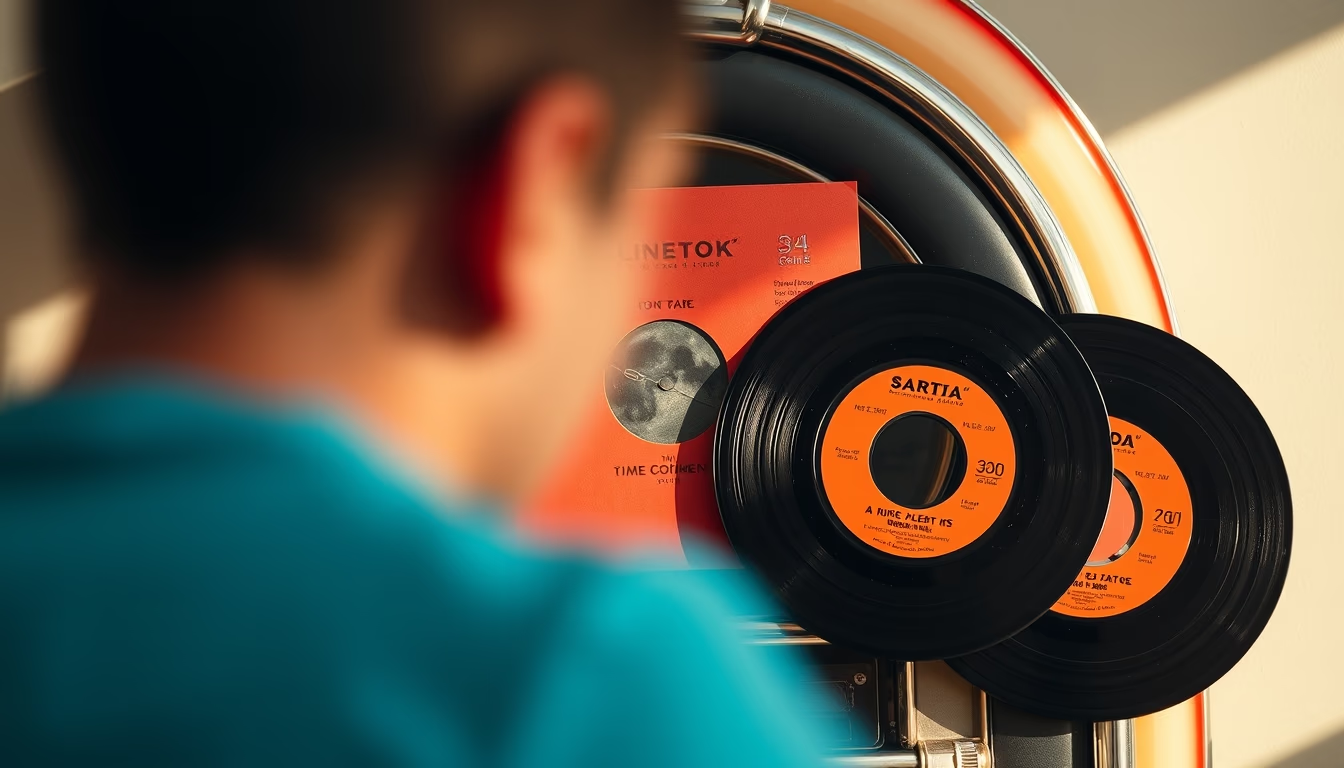
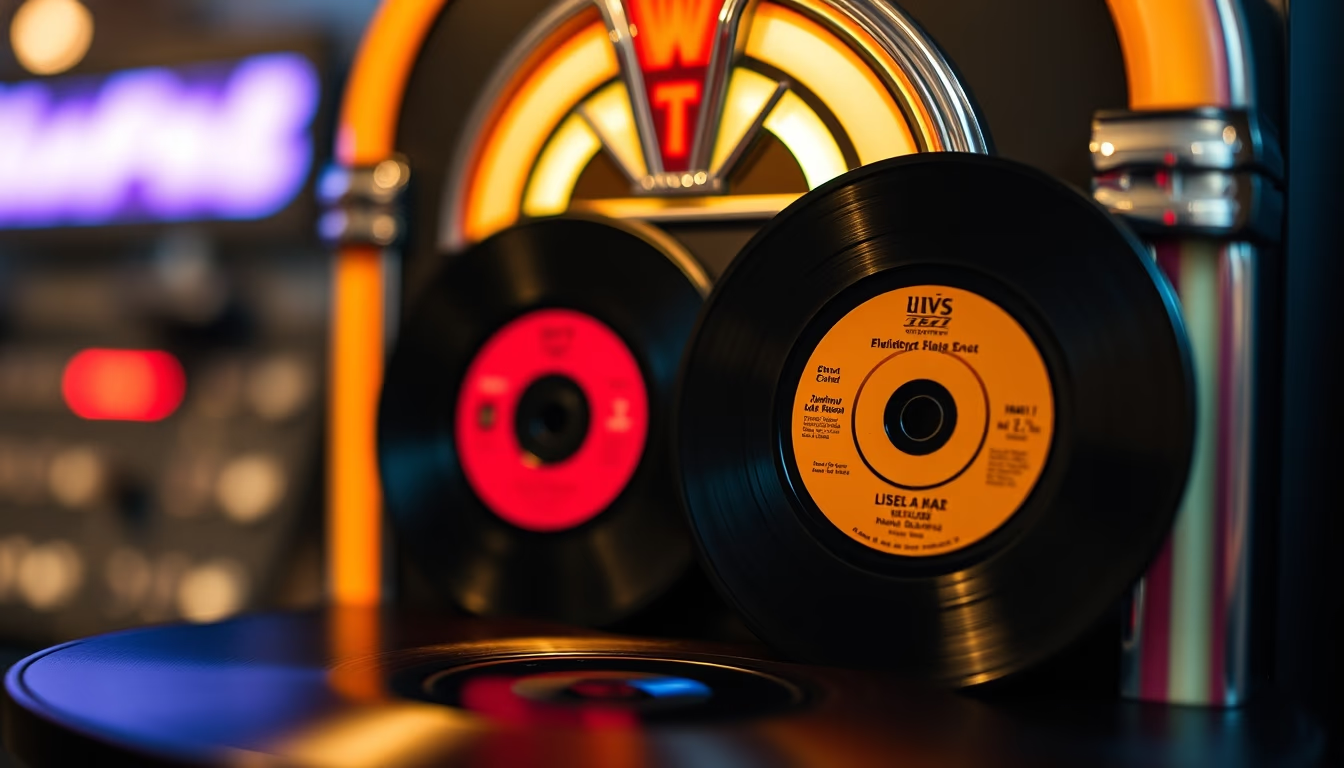
45 rpm records were the standard format for jukeboxes, revolutionizing popular music between the 1950s and 1980s with their ideal duration for hits.
About this subject
45 rpm vinyl records were introduced by RCA Victor in 1949 as an alternative to 78 rpm discs. With a diameter of 7 inches and a larger center hole, they became the perfect medium for popular music singles. Each side could hold up to 4 minutes of audio, ideal for radio songs and jukeboxes. Unlike 33 rpm LPs that stored entire albums, 45 rpm records focused on individual hits, driving the music industry and the culture of hit charts.
Jukeboxes, especially in the United States and Europe, were stocked almost exclusively with 45 rpm records. Their quick-change mechanism allowed users to select up to 200 different singles. Manufacturers like Wurlitzer and Seeburg designed iconic machines that displayed record sleeves or title lists. The durability of vinyl and resistance to scratches made 45 rpm records ideal for repeated public use. During the 1950s and 1960s, 45 rpm singles dominated the Billboard charts, with artists like Elvis Presley, The Beatles, and Chuck Berry releasing their biggest hits in this format.
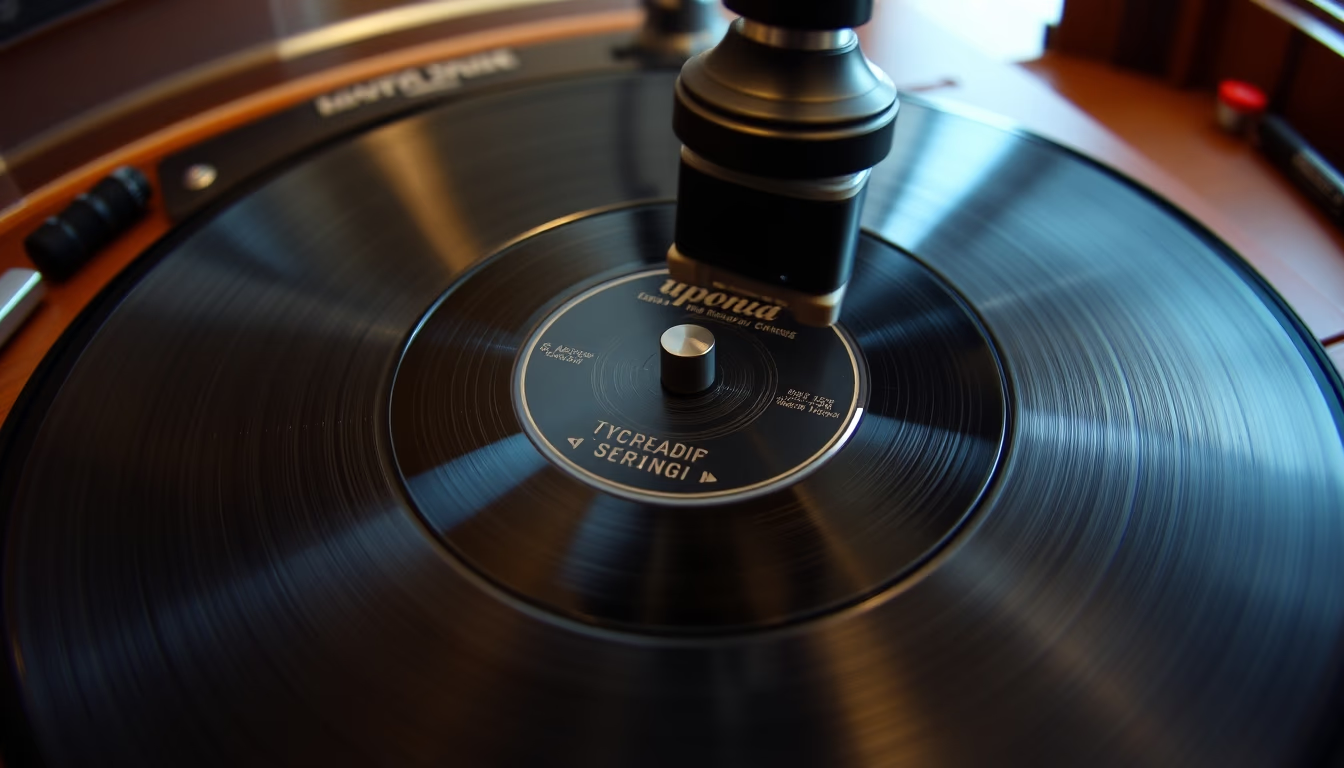
A technical curiosity: the larger center hole of 45 rpm records (1.5 inches) was standardized to fit the spindle of jukeboxes, which required a more robust fit. Additionally, many singles came with a plastic or cardboard adapter for playing on standard home turntables. With the decline of jukeboxes from the 1980s onward, 45 rpm records were gradually replaced by CDs and digital formats, but they remain collector's items and a symbol of vintage music culture. The minimalist design of the labels and sleeves reflects the aesthetics of the era, still valued today by designers and enthusiasts.
Frequently Asked Questions
What is the difference between a 45 rpm record and a 33 rpm LP?
A 45 rpm record is 7 inches in diameter and spins at 45 revolutions per minute, holding up to 4 minutes per side, used for singles. A 33 rpm LP is 12 inches, plays at 33⅓ rpm, and holds up to 30 minutes per side, ideal for albums.
Why do 45 rpm records have a larger center hole?
The 1.5-inch hole was standardized to fit the spindle of jukeboxes, which required a robust fit for quick changes. Home turntables needed an adapter to play them.
Are 45 rpm records still manufactured today?
Yes, though in limited quantities. Some artists and independent labels release 45 rpm singles for collectors and vinyl enthusiasts. Modern pressings keep the original specifications.
Direct URL
https://pub-c7d6a6ea828543ac903a74a341ccb2e1.r2.dev/imagens/45-rpm-jukebox-singles-minimalist-composition-fresh5.avifHow to credit
Include a visible link back to UtilizAí. Copy one of the snippets below:
<a href="https://xn--utiliza-eza.com/en/midia/imagens/45-rpm-jukebox-singles-minimalist-composition-fresh5">45 rpm jukebox singles</a> by <a href="https://xn--utiliza-eza.com">UtilizAí</a>, licensed under <a href="https://creativecommons.org/licenses/by/4.0/">CC BY 4.0</a>.
[45 rpm jukebox singles](https://xn--utiliza-eza.com/en/midia/imagens/45-rpm-jukebox-singles-minimalist-composition-fresh5) by [UtilizAí](https://xn--utiliza-eza.com), CC BY 4.0
License: CC-BY-4.0