45 rpm jukebox singles
1344×768 · AVIF · CC BY 4.0
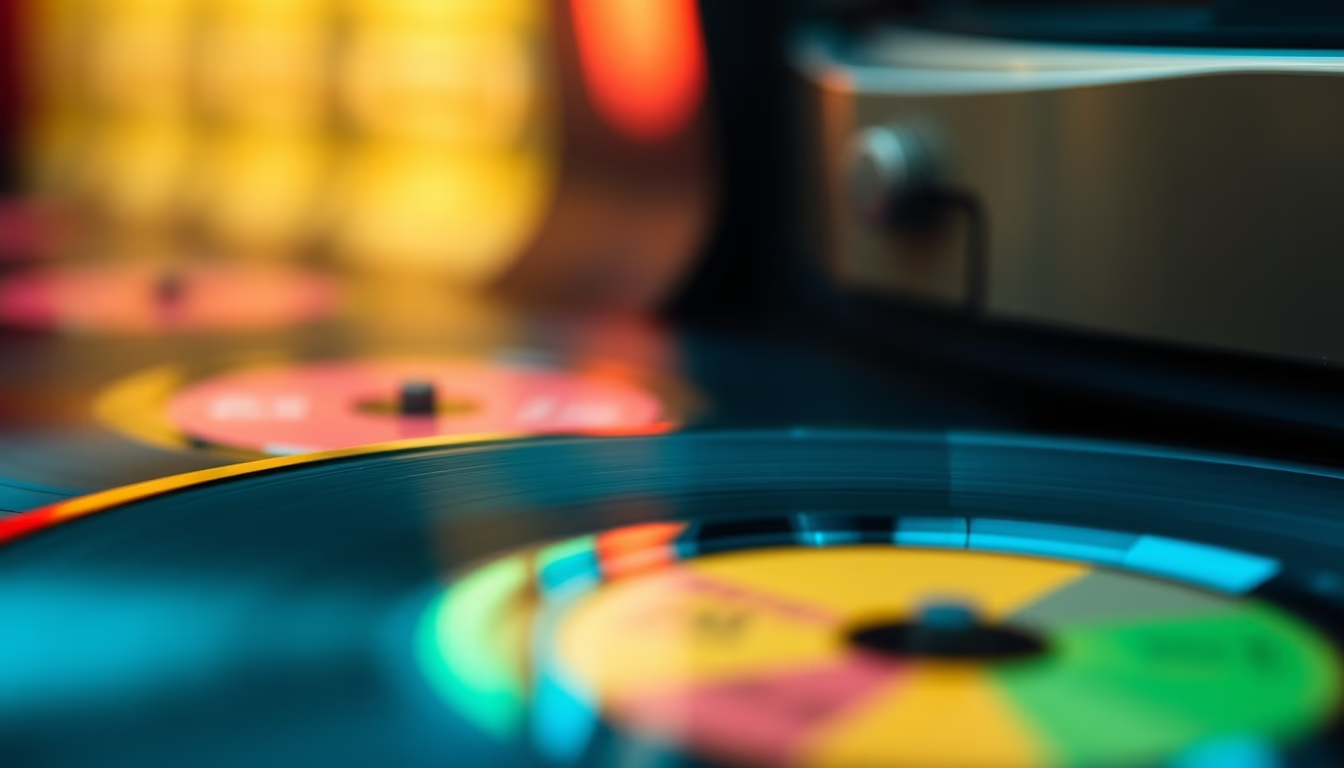
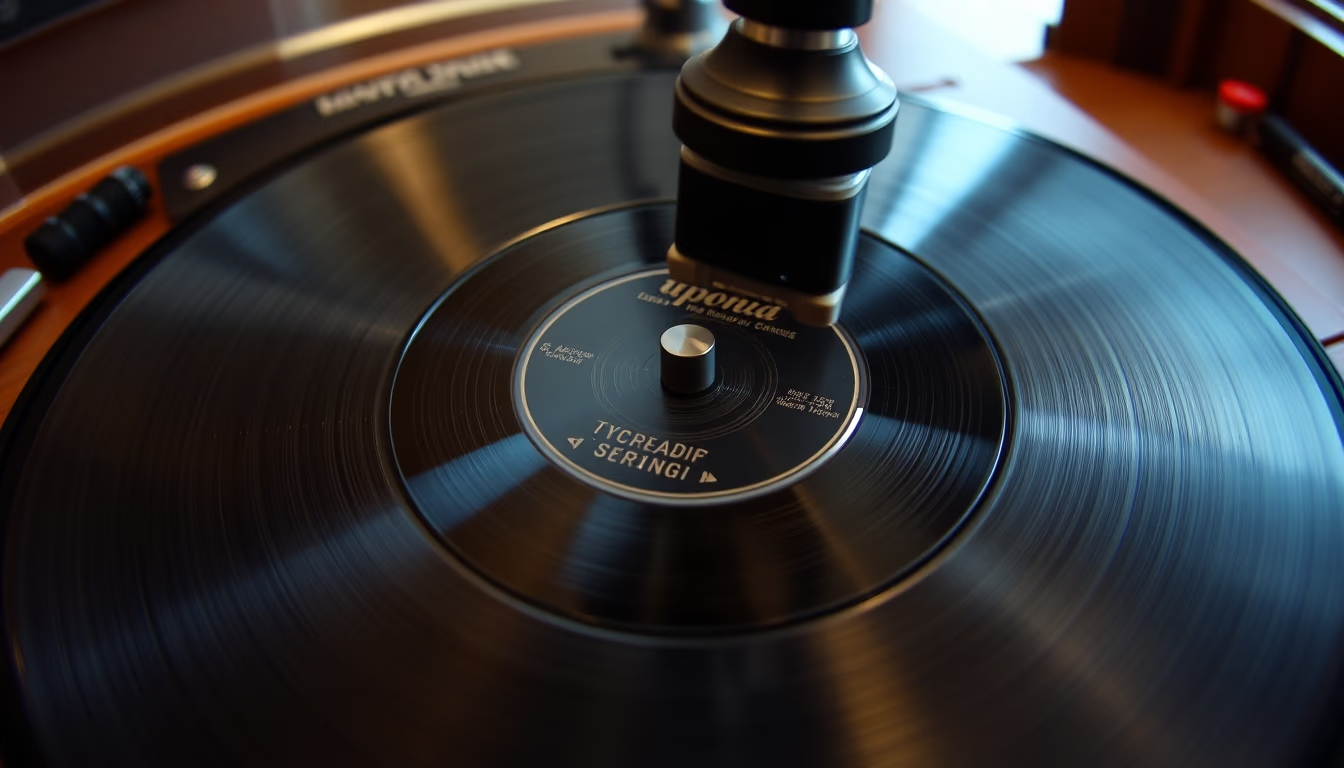
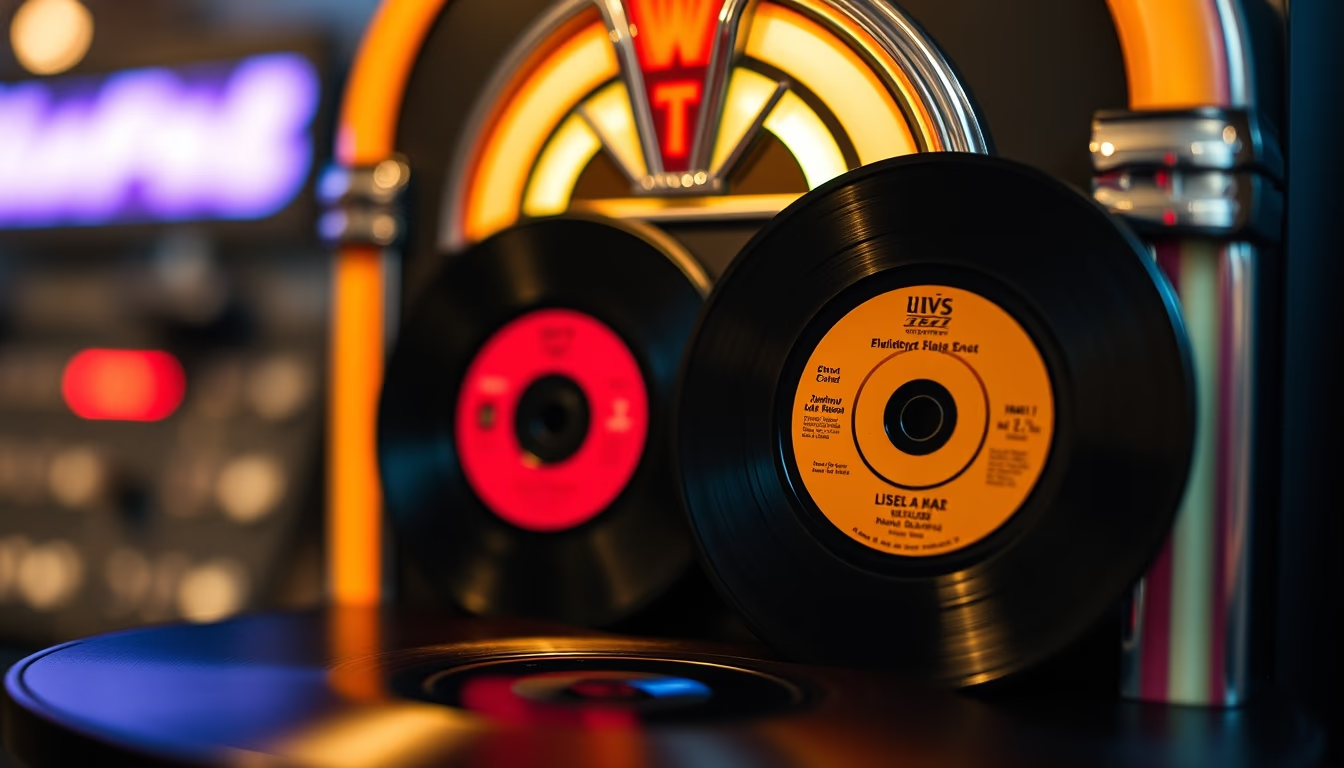
45 RPM vinyl records were the standard format for jukeboxes, revolutionizing popular music between the 1950s and 1980s.
About this subject
The 45 RPM record was introduced in 1949 by RCA Victor as a direct competitor to the 33⅓ RPM LP. With a diameter of 7 inches (17.5 cm) and a large center hole, it was specifically designed to play individual songs, becoming the ideal vehicle for singles. From the 1950s onward, jukeboxes massively adopted this format because it allowed for quick selection of short tracks and storage of dozens of records in a single machine.
Jukeboxes, popular in bars, diners, and dance halls, relied on the durability and practicality of 45 RPM records. The higher speed provided better sound fidelity for tracks up to three minutes, while the wider grooves reduced wear. The large center hole enabled automatic handling by the record-changing mechanisms, a key feature for continuous operation.
Culturally, 45 RPM records marked the golden age of rock and roll, soul, pop, and country. Artists like Elvis Presley, The Beatles, and Aretha Franklin released their biggest hits in this format. In Brazil, the Jovem Guarda movement and MPB also heavily used compact singles. Collectors still value these records, especially picture sleeves and rare pressings from independent labels.
Interestingly, the term "single" derives from the concept of a single track per side, although many records featured two songs, one on each side. The cover was often simple or just a paper sleeve, contrasting with the elaborate artwork of LPs. With the decline of jukeboxes in the 1980s and the rise of CDs, 45 RPM records lost ground but maintain a strong nostalgic and revivalist appeal among vinyl enthusiasts.
Frequently Asked Questions
Why do 45 RPM records have a large center hole?
The large hole (38.2 mm) was designed for automatic handling in jukeboxes and sequential record players, allowing the quick-change mechanism to grip and position the disc precisely.
How many songs fit on a 45 RPM record?
Originally, each side could hold up to about 4 minutes of music, resulting in two tracks (one per side). However, double singles or EPs can have more tracks by reducing individual duration.
Are 45 RPM records still manufactured today?
Yes, albeit on a smaller scale. Pressings of 45 RPM continue for vinyl singles, especially in the collector market and for special releases by independent bands.
Direct URL
https://pub-c7d6a6ea828543ac903a74a341ccb2e1.r2.dev/imagens/45-rpm-jukebox-singles-macro-closeup-fresh4.avifHow to credit
Include a visible link back to UtilizAí. Copy one of the snippets below:
<a href="https://xn--utiliza-eza.com/en/midia/imagens/45-rpm-jukebox-singles-macro-closeup-fresh4">45 rpm jukebox singles</a> by <a href="https://xn--utiliza-eza.com">UtilizAí</a>, licensed under <a href="https://creativecommons.org/licenses/by/4.0/">CC BY 4.0</a>.
[45 rpm jukebox singles](https://xn--utiliza-eza.com/en/midia/imagens/45-rpm-jukebox-singles-macro-closeup-fresh4) by [UtilizAí](https://xn--utiliza-eza.com), CC BY 4.0
License: CC-BY-4.0