45 rpm jukebox singles
1344×768 · AVIF · CC BY 4.0
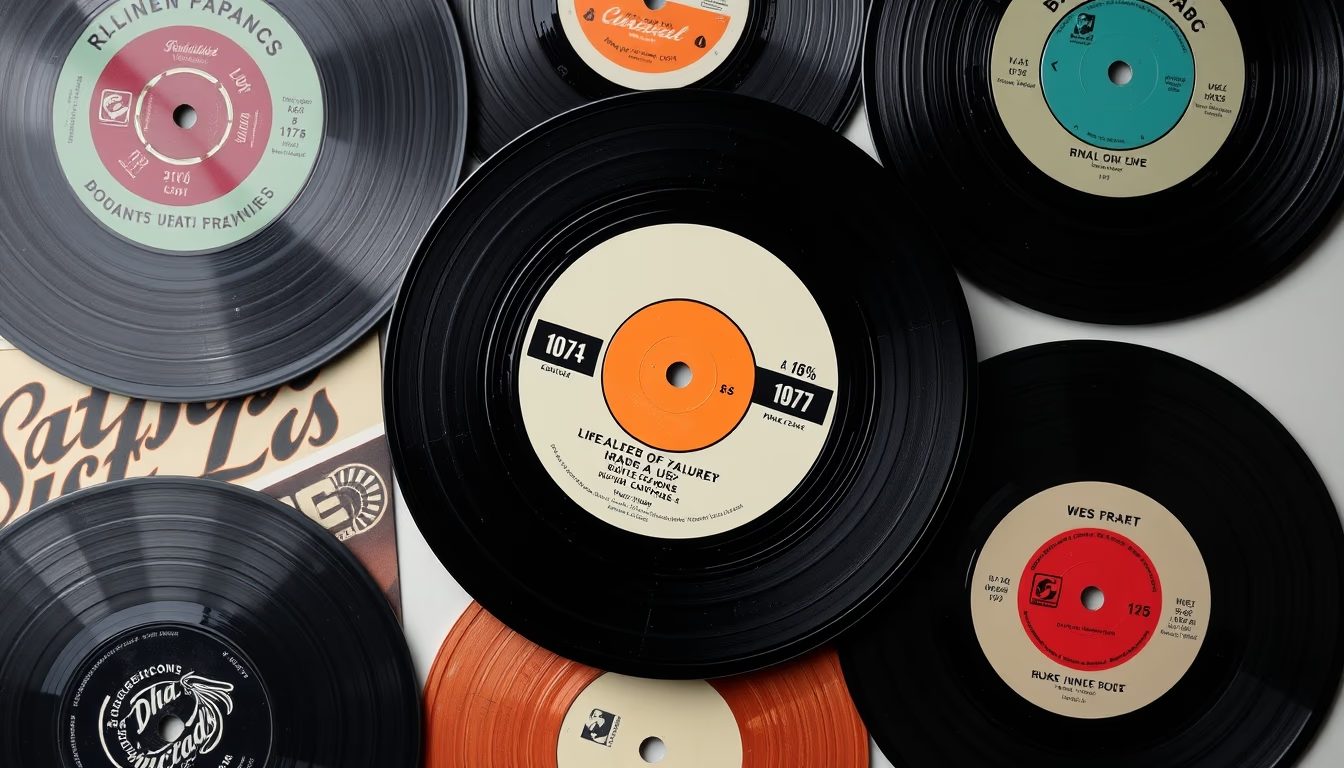
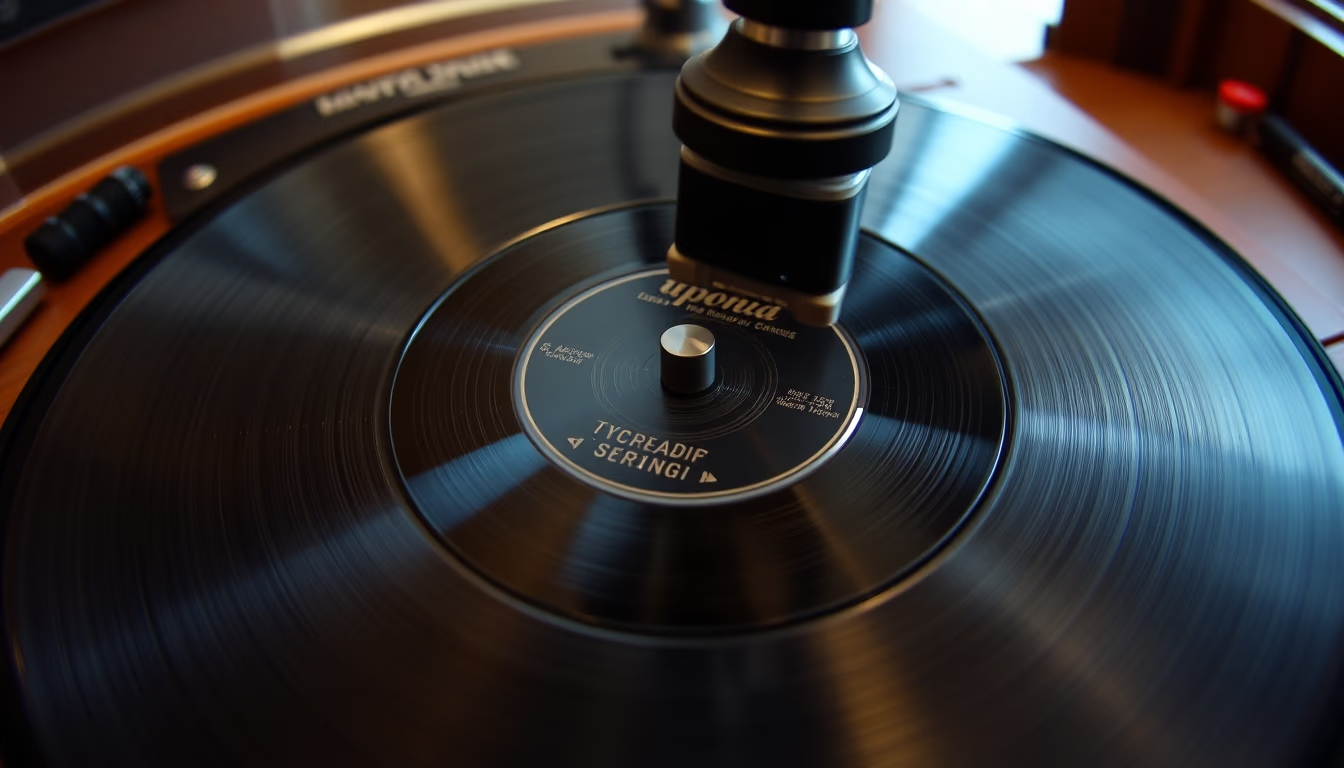
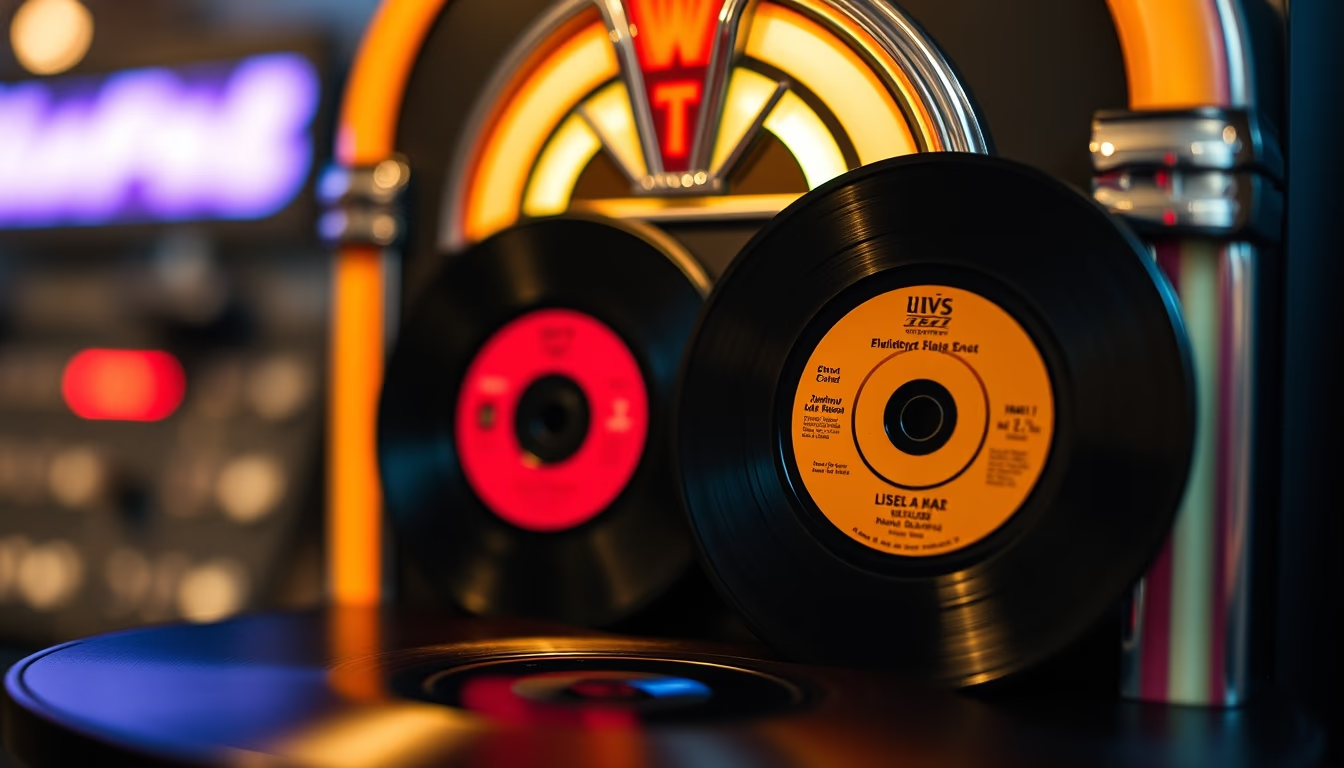
45 rpm vinyl records, the singles that dominated jukeboxes and 20th-century music culture.
About this subject
The 45 rpm record, also known as the 7-inch single, was introduced by RCA Victor in 1949 as a competitor to Columbia's LP. Featuring a larger spindle hole (1.5 inches) and a speed of 45 revolutions per minute, it quickly became the standard for popular music singles, particularly in jukeboxes. Each side typically holds one track, enabling quick changes and continuous playback in automatic machines.
Jukeboxes reached their peak in the 1950s and 1960s, relying on these records to offer a varied selection of hits. The machines used a mechanism that selected the record based on a code of notches on the edge, allowing the user to choose a song from a panel. The 45 rpm records were more durable and easier to handle than fragile 78 rpm discs, and mass production made music more affordable.
In Brazil, the format was widely used until the 1980s, with labels like Odeon and RCA releasing hits by artists such as Roberto Carlos and Raul Seixas. The singles were popular at fairs and record stores, and essential for radio stations. Today, original 45 rpm jukebox records are collectible items, with prices varying by rarity and condition. Nostalgia for the format has led to a revival among DJs and audiophiles, who appreciate analog sound and cover art.
Frequently Asked Questions
What is the difference between a 45 rpm record and an LP?
A 45 rpm record is 7 inches in diameter, plays at 45 revolutions per minute, and holds one track per side. An LP (Long Play) is 12 inches, plays at 33⅓ rpm, and contains multiple tracks per side. The 45 rpm was mainly used for singles.
Why did jukeboxes use 45 rpm records?
Because they were more compact, durable, and easy to handle, allowing quick song changes. The selection mechanism using notches on the record made automatic choice efficient.
Are 45 rpm records still manufactured today?
Yes, though in smaller quantities. Many independent artists and specialty labels still produce 45 rpm records as collectibles or for DJs. Current pressings often use high-quality vinyl.
Direct URL
https://pub-c7d6a6ea828543ac903a74a341ccb2e1.r2.dev/imagens/45-rpm-jukebox-singles-isometric-flat-lay-fresh16.avifHow to credit
Include a visible link back to UtilizAí. Copy one of the snippets below:
<a href="https://xn--utiliza-eza.com/en/midia/imagens/45-rpm-jukebox-singles-isometric-flat-lay-fresh16">45 rpm jukebox singles</a> by <a href="https://xn--utiliza-eza.com">UtilizAí</a>, licensed under <a href="https://creativecommons.org/licenses/by/4.0/">CC BY 4.0</a>.
[45 rpm jukebox singles](https://xn--utiliza-eza.com/en/midia/imagens/45-rpm-jukebox-singles-isometric-flat-lay-fresh16) by [UtilizAí](https://xn--utiliza-eza.com), CC BY 4.0
License: CC-BY-4.0