45 rpm jukebox singles
1344×768 · AVIF · CC BY 4.0

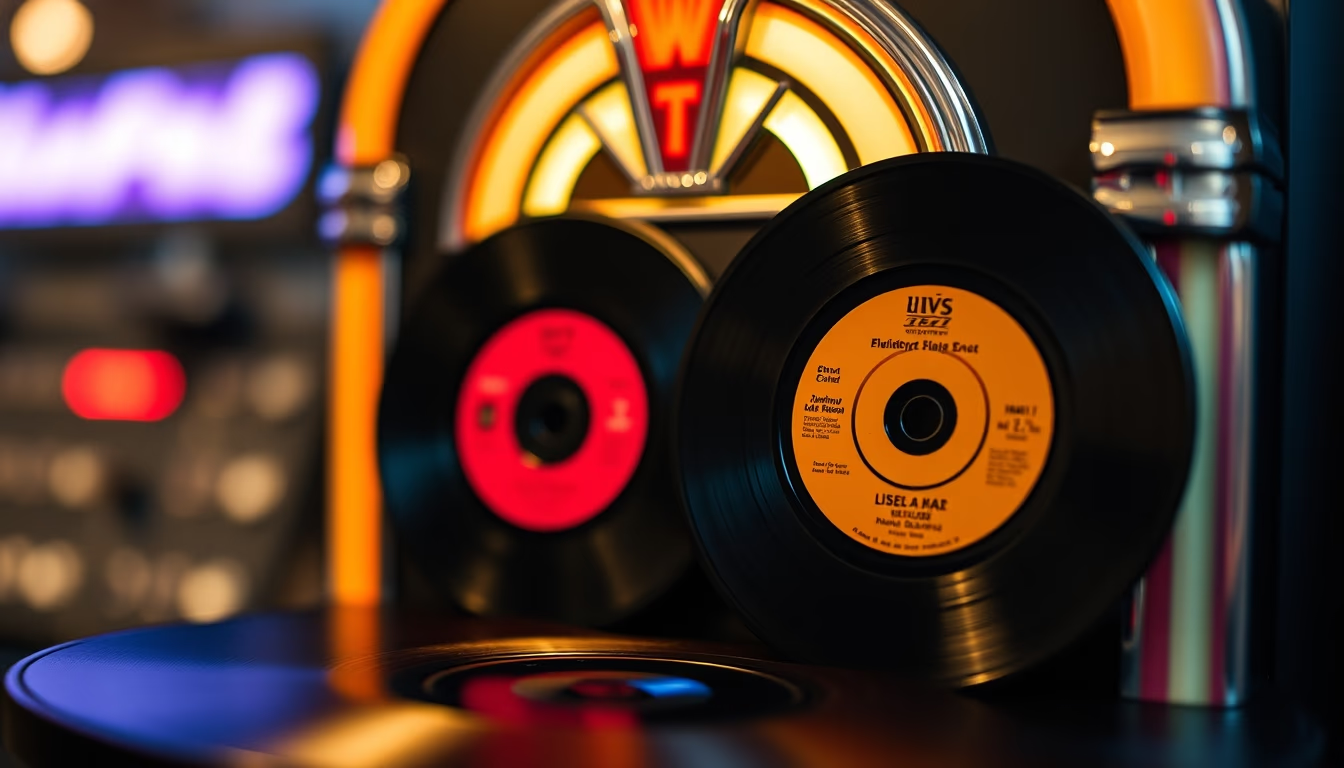
The 45 rpm record was the standard format for jukeboxes from the 1950s to the 1980s, defining the golden age of rock and roll.
About this subject
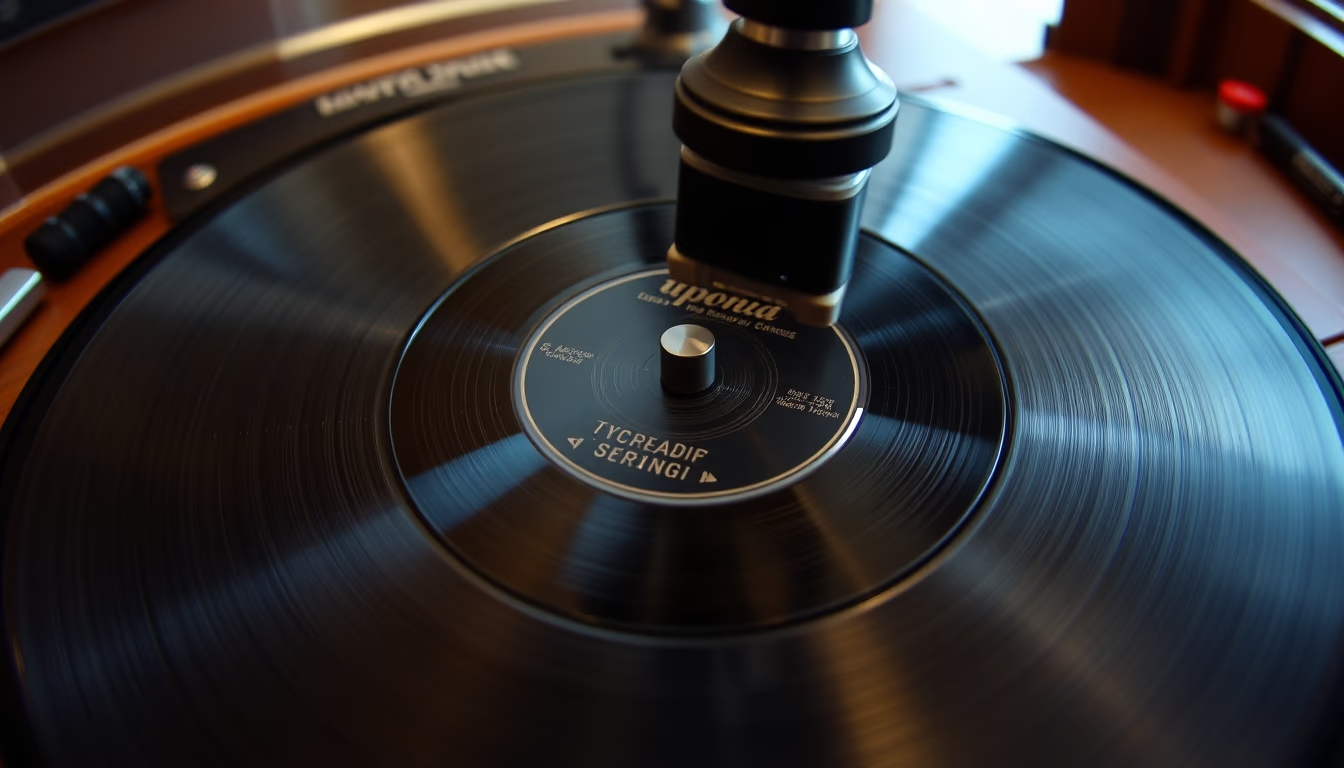
The 45 rpm record, also known as the single or 7-inch, is a vinyl format measuring 7 inches in diameter and playing at 45 revolutions per minute. Introduced by RCA Victor in 1949, it was designed to replace the fragile 78 rpm records, offering greater durability and sound fidelity. Each side of the disc contains a single track, making it ideal for jukeboxes, coin-operated machines that played selected songs.
Jukeboxes became widely popular in the United States and around the world during the 1950s and 1960s. Found in bars, diners, and nightclubs, they allowed customers to choose from a catalog of records. The 45 rpm format was particularly well-suited for this purpose: its compact size facilitated storage and automatic handling, while the faster rotation provided better audio quality for short songs. The large center hole, measuring 1.5 inches, was standardized for the mechanical arms of jukeboxes.
In Brazil, 45 rpm records were extensively used to release hit songs, especially during the Jovem Guarda and Tropicália movements. Labels such as RCA Victor, Odeon, and Philips produced singles that were played on radio stations and in jukeboxes across the country. To this day, collectors value these records for their aesthetic appeal and historical significance in popular music.
With the advent of LPs and later CDs and streaming, the use of jukeboxes with 45 rpm records declined. Nevertheless, the format remains iconic, symbolizing an era when listening to music was a social and interactive experience. Original jukeboxes and vinyl singles continue to be objects of nostalgia and collecting, inspiring modern digital versions of the machines.
Frequently Asked Questions
What is the difference between a 45 rpm record and a 33 rpm record?
A 45 rpm record is 7 inches in diameter, plays at 45 revolutions per minute, and usually contains one song per side. A 33 rpm LP is 12 inches, plays at 33 1/3 rpm, and is used for albums with multiple tracks.
Why did 45 rpm records have a large center hole?
The 1.5-inch center hole was designed for automatic handling in jukeboxes. The machine's mechanical arm could grip the record by the hole and quickly change it without needing adapters.
Are 45 rpm records still being produced?
Yes, but on a smaller scale. Independent artists and collectors still release vinyl singles at 45 rpm. Some DJs also use these records for mixing, valuing the analog sound and retro aesthetic.
Direct URL
https://pub-c7d6a6ea828543ac903a74a341ccb2e1.r2.dev/imagens/45-rpm-jukebox-singles-cinematic-wide-shot-fresh1.avifHow to credit
Include a visible link back to UtilizAí. Copy one of the snippets below:
<a href="https://xn--utiliza-eza.com/en/midia/imagens/45-rpm-jukebox-singles-cinematic-wide-shot-fresh1">45 rpm jukebox singles</a> by <a href="https://xn--utiliza-eza.com">UtilizAí</a>, licensed under <a href="https://creativecommons.org/licenses/by/4.0/">CC BY 4.0</a>.
[45 rpm jukebox singles](https://xn--utiliza-eza.com/en/midia/imagens/45-rpm-jukebox-singles-cinematic-wide-shot-fresh1) by [UtilizAí](https://xn--utiliza-eza.com), CC BY 4.0
License: CC-BY-4.0