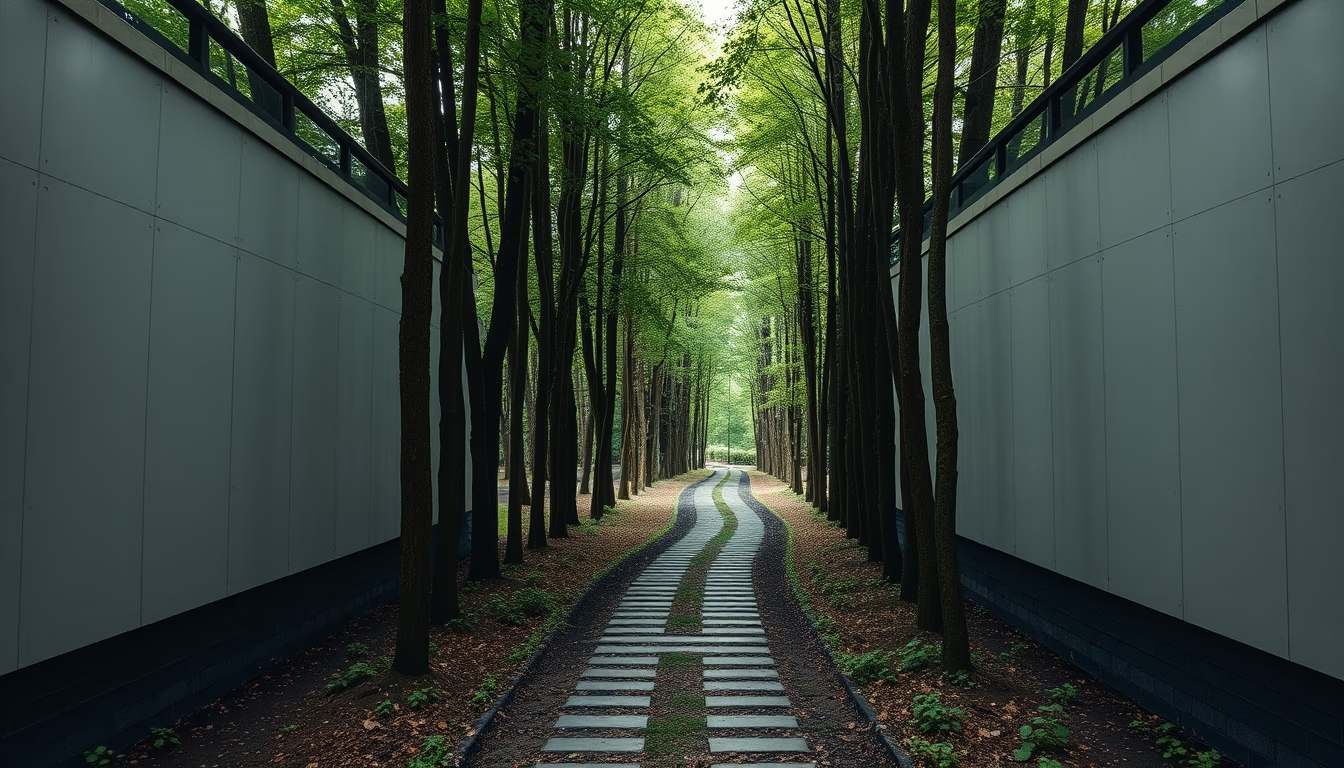
Zen garden raked sand
1344×768 · AVIF · CC BY 4.0

The Zen garden with raked sand, known as karesansui, is a Japanese art form that represents nature in miniature, using rocks, sand, and moss to create abstract landscapes.
About this subject
The Zen garden with raked sand, known as karesansui (枯山水, literally "dry mountain water"), is a form of Japanese garden that reached its peak during the Muromachi period (1336-1573). Unlike Western gardens or even other Japanese styles, karesansui does not use water: streams are suggested by raked patterns in sand or gravel. These gardens are typically found in Zen Buddhist temples, such as the famous Ryoan-ji in Kyoto, whose rock garden dates from the late 15th century. The act of raking the sand is not merely aesthetic; it is part of the meditative practice of monks, who renew the patterns daily to symbolize impermanence and mindfulness. The rocks represent islands or mountains, while the raked sand mimics flowing water or calm seas. Each element carries symbolic meaning, and the composition is designed to induce contemplation. Interestingly, karesansui has influenced modern interior design and even contemporary landscape architecture, becoming a symbol of simplicity and balance. A lesser-known fact: the size and shape of the raking patterns vary according to the gardening school and the season, with gentler ripples representing calm waters and straighter lines, fast currents.
Frequently Asked Questions
What is the purpose of a Zen raked sand garden?
Its main purpose is to aid meditation and contemplation, symbolically representing nature in miniature. Zen monks use the act of raking sand as a mindfulness practice, and the garden invites viewers to reflect on impermanence and harmony.
How are the patterns in the sand made and what do they mean?
Patterns are made with wooden rakes, ranging from straight lines to spirals and ripples. Straight lines symbolize still or calm water; waves represent moving water; circles around rocks suggest islands or life. The choice depends on the season and the gardener's intent.
Where can I see famous examples of Zen gardens in Japan?
The most iconic are in Kyoto: Ryoan-ji's garden (15 rocks on white gravel), Daisen-in temple with its moss and sand garden, and Tofuku-ji temple, which has a modern geometric sand garden. Outside Japan, replicas exist in museums and meditation centers worldwide.
Direct URL
https://pub-c7d6a6ea828543ac903a74a341ccb2e1.r2.dev/imagens/zen-garden-raked-sand-architectural-photography-p6.avifHow to credit
Include a visible link back to UtilizAí. Copy one of the snippets below:
<a href="https://xn--utiliza-eza.com/en/midia/imagens/zen-garden-raked-sand-architectural-photography-p6">Zen garden raked sand</a> by <a href="https://xn--utiliza-eza.com">UtilizAí</a>, licensed under <a href="https://creativecommons.org/licenses/by/4.0/">CC BY 4.0</a>.
[Zen garden raked sand](https://xn--utiliza-eza.com/en/midia/imagens/zen-garden-raked-sand-architectural-photography-p6) by [UtilizAí](https://xn--utiliza-eza.com), CC BY 4.0
License: CC-BY-4.0