Workshop bench tidy
1344×768 · AVIF · CC BY 4.0

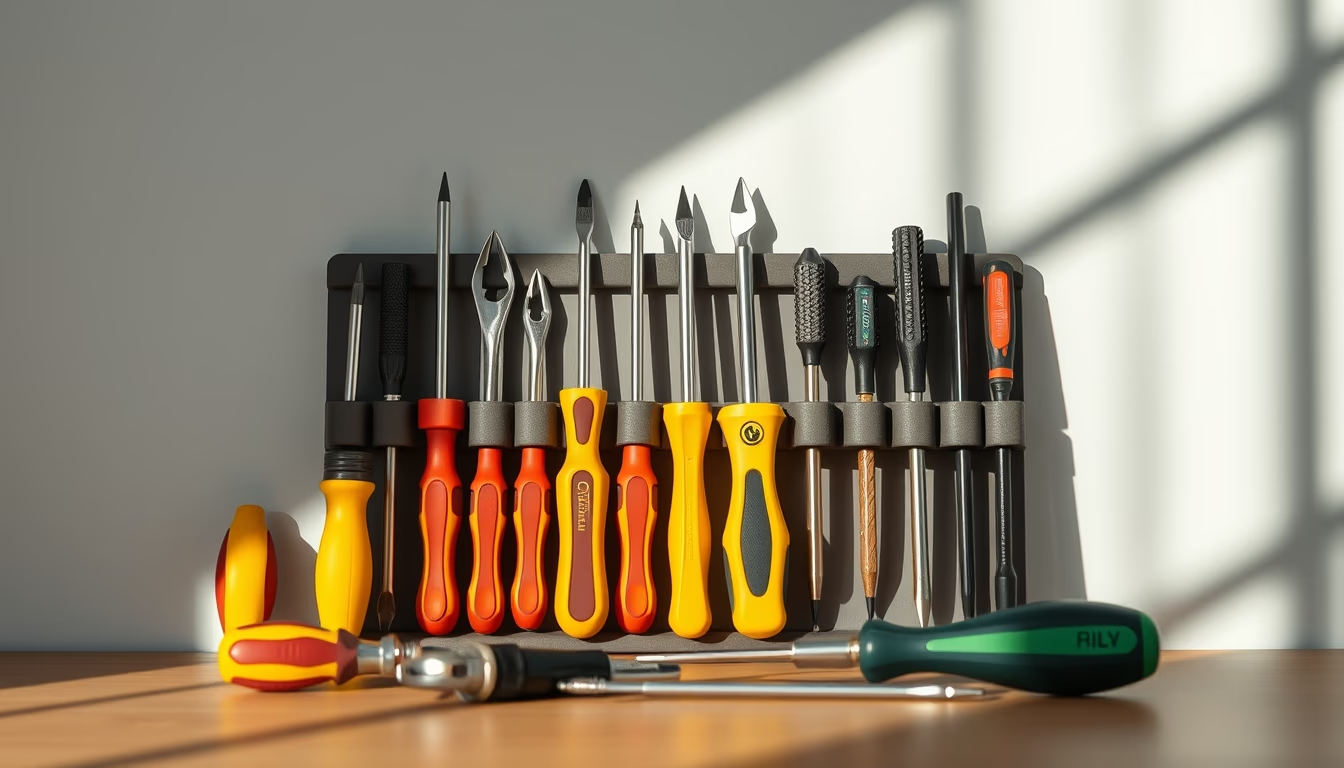
A workshop bench tidy is essential for keeping tools accessible and the workspace productive, reflecting centuries of evolution in woodworking and industrial design.
About this subject
A workshop bench tidy is a fundamental item in both professional and hobbyist workshops. Its main purpose is to group frequently used tools, such as screwdrivers, pliers, and hammers, in compartments or holders fixed to the workbench. This practice not only saves time by eliminating the search for instruments during a task but also reduces the risk of accidents caused by loose objects. Historically, the first organizers appeared alongside industrialization, when carpenters and mechanics demanded efficiency in production lines. Nineteenth-century examples show wooden trays with adjustable dividers, evolving into modern metal models with non-slip coatings.
The popularity of bench tidies grew with the maker and DIY movements from the 2000s onward, fueled by influencers showcasing spotless workstations. Today, they are found in materials like durable plastic, anodized aluminum, and even sustainable bamboo. In Japan, the concept of ‘seiri’ (organization) from the 5S method made these organizers almost mandatory in corporate and domestic environments. In Europe, especially Germany, the culture of ‘Ordnung’ (order) values workspaces where every tool has its place, using magnetic or modular trays. This organization is not merely aesthetic: ergonomic studies indicate that a tidy space reduces mental fatigue and increases precision in manual work.
An interesting curiosity is that, by 2026, the trend points to intelligent organizers with sensors that identify missing tools or connect to inventory apps. Brands like Festool and Bosch already launch modular systems that fit standard bench surfaces. For the home user, a simple bench tidy can be made from recycled materials like egg cartons or PVC pipes, but commercial models offer durability and perfect fit. In short, the workshop bench tidy is more than an accessory; it is a productivity tool that engages with centuries-old traditions and technological innovations.
Frequently Asked Questions
What is the best material for a bench tidy?
It depends on use. Durable plastic is light and cheap, suitable for light tools. Aluminum and steel offer durability for heavy loads. Bamboo or wood provide a classic finish and are sustainable.
How can I organize my workbench efficiently?
Group tools by frequency of use. Place the most used ones within arm's reach and store rare ones in drawers. Use magnetic trays for metal items and adjustable dividers to separate small parts.
Why is bench organization important for safety?
Cluttered tools cause trip and cut hazards. A bench tidy keeps objects fixed, preventing them from falling or rolling. It also avoids accidental contact with blades or sharp points.
Direct URL
https://pub-c7d6a6ea828543ac903a74a341ccb2e1.r2.dev/imagens/workshop-bench-tidy-national-geographic-style-p6.avifHow to credit
Include a visible link back to UtilizAí. Copy one of the snippets below:
<a href="https://xn--utiliza-eza.com/en/midia/imagens/workshop-bench-tidy-national-geographic-style-p6">Workshop bench tidy</a> by <a href="https://xn--utiliza-eza.com">UtilizAí</a>, licensed under <a href="https://creativecommons.org/licenses/by/4.0/">CC BY 4.0</a>.
[Workshop bench tidy](https://xn--utiliza-eza.com/en/midia/imagens/workshop-bench-tidy-national-geographic-style-p6) by [UtilizAí](https://xn--utiliza-eza.com), CC BY 4.0
License: CC-BY-4.0