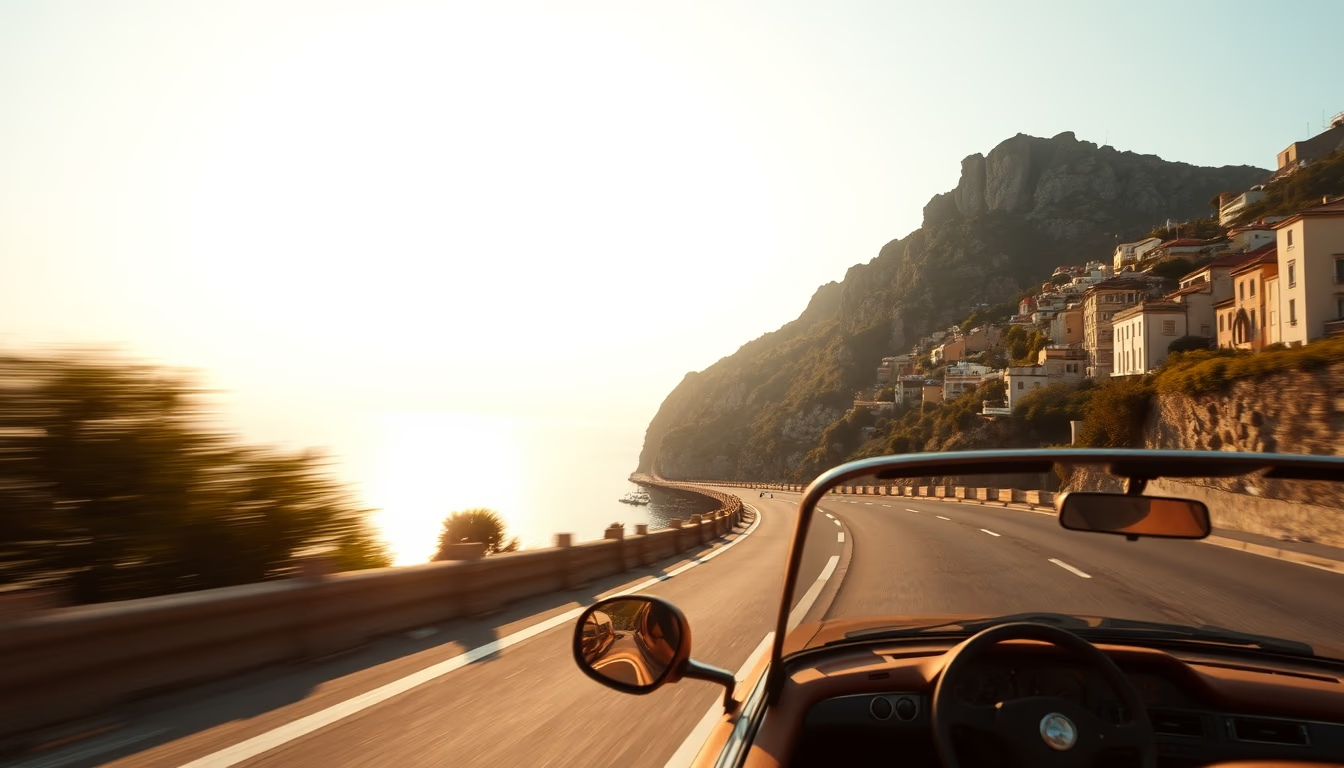
Wish you were here vintage
1344×768 · AVIF · CC BY 4.0
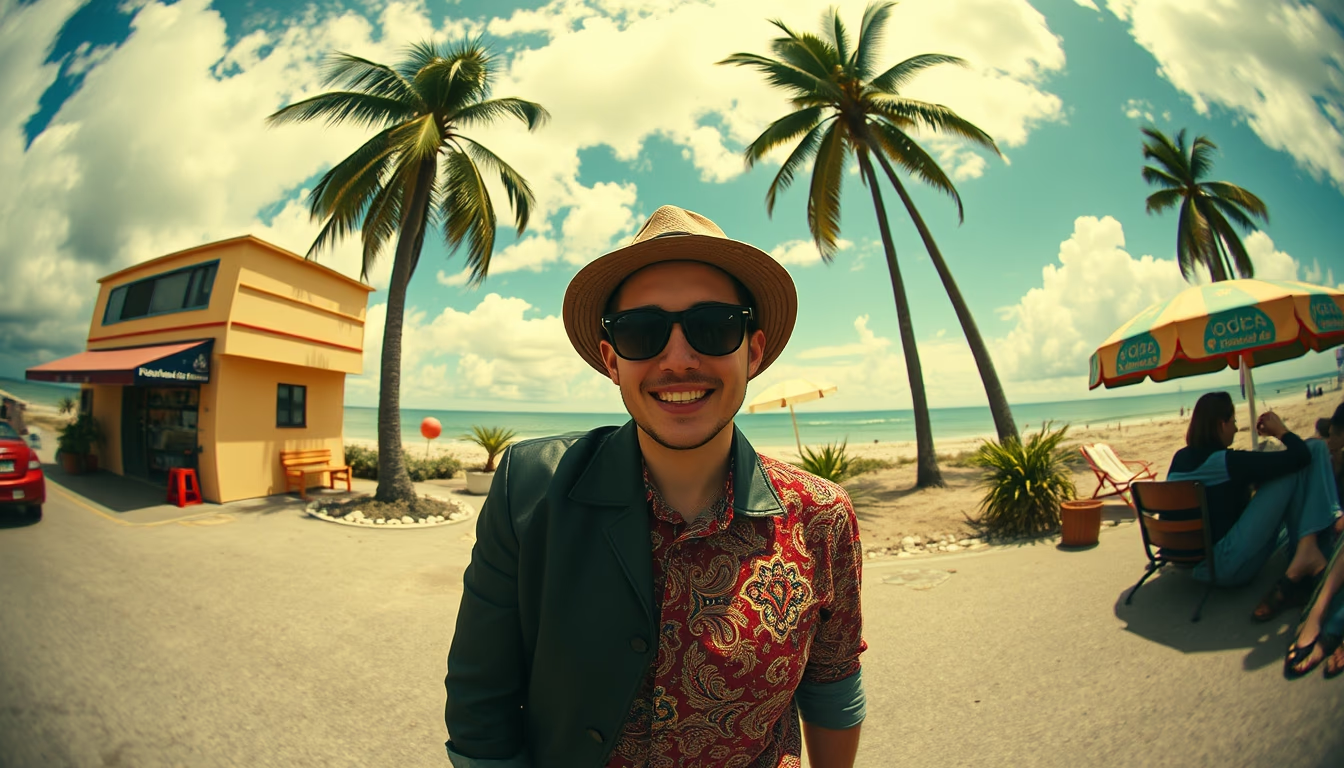
The phrase 'Wish you were here' evokes vintage postcards, symbols of travel nostalgia, often associated with fish-eye lens distortion from the 1960s-70s.
About this subject
The phrase 'Wish you were here' became one of the most recognizable clichés on postcards, especially those sent from tourist destinations during the peak of mass tourism in the 20th century. Its origins trace back to the late 19th century, when the first illustrated postcards began to circulate, but it gained widespread popularity in the 1930s, driven by vacation culture and the desire to share experiences with those left behind.
Fish-eye photography, which produces a circular, distorted image, was widely used in postcards and travel photography in the 1960s and 1970s. This effect, covering a viewing angle of up to 180 degrees, created a sense of immersion and grandeur, ideal for capturing wide landscapes or leisure moments. The technique became a hallmark of the era's aesthetic, associated with an optimistic, exploratory worldview.
In Brazil, postcards featuring 'Wish you were here' were common in tourist spots like Rio de Janeiro, Salvador, and Florianópolis, often depicting beaches, landmarks, and iconic views. The nostalgia evoked by these images reflects not only the longing of travelers but also a historical period when international travel began to democratize, though still a privilege for few.
Today, the vintage style of these postcards is revisited in contemporary photography that mimics analog aesthetics, using filters to simulate film grain and fish-eye distortion. This trend rekindles the desire to preserve emotional memories and the authenticity of a time when images were physical and messages handwritten.
Frequently Asked Questions
What is the origin of the phrase 'Wish you were here' on postcards?
The phrase began appearing on postcards in the late 19th century, but gained popularity in the 1930s with the rise of mass tourism, becoming a symbol of longing and sharing travel experiences.
What is a fish-eye lens and why was it used in vintage photos?
A fish-eye lens is an ultra-wide-angle lens that captures a field of view up to 180 degrees, creating a circular distorted image. In the 1960s-70s, it was used in postcards and travel photography to give an immersive and dramatic feel to landscapes.
How do vintage postcards influence modern photography?
Contemporary photographers often recreate vintage aesthetics using digital filters that mimic film grain, desaturated colors, and fish-eye distortion, evoking nostalgia and the authenticity of analog images.
Direct URL
https://pub-c7d6a6ea828543ac903a74a341ccb2e1.r2.dev/imagens/wish-you-were-here-vintage-fish-eye-wide-angle-fresh15.avifHow to credit
Include a visible link back to UtilizAí. Copy one of the snippets below:
<a href="https://xn--utiliza-eza.com/en/midia/imagens/wish-you-were-here-vintage-fish-eye-wide-angle-fresh15">Wish you were here vintage</a> by <a href="https://xn--utiliza-eza.com">UtilizAí</a>, licensed under <a href="https://creativecommons.org/licenses/by/4.0/">CC BY 4.0</a>.
[Wish you were here vintage](https://xn--utiliza-eza.com/en/midia/imagens/wish-you-were-here-vintage-fish-eye-wide-angle-fresh15) by [UtilizAí](https://xn--utiliza-eza.com), CC BY 4.0
License: CC-BY-4.0