Wish you were here vintage
1344×768 · AVIF · CC BY 4.0
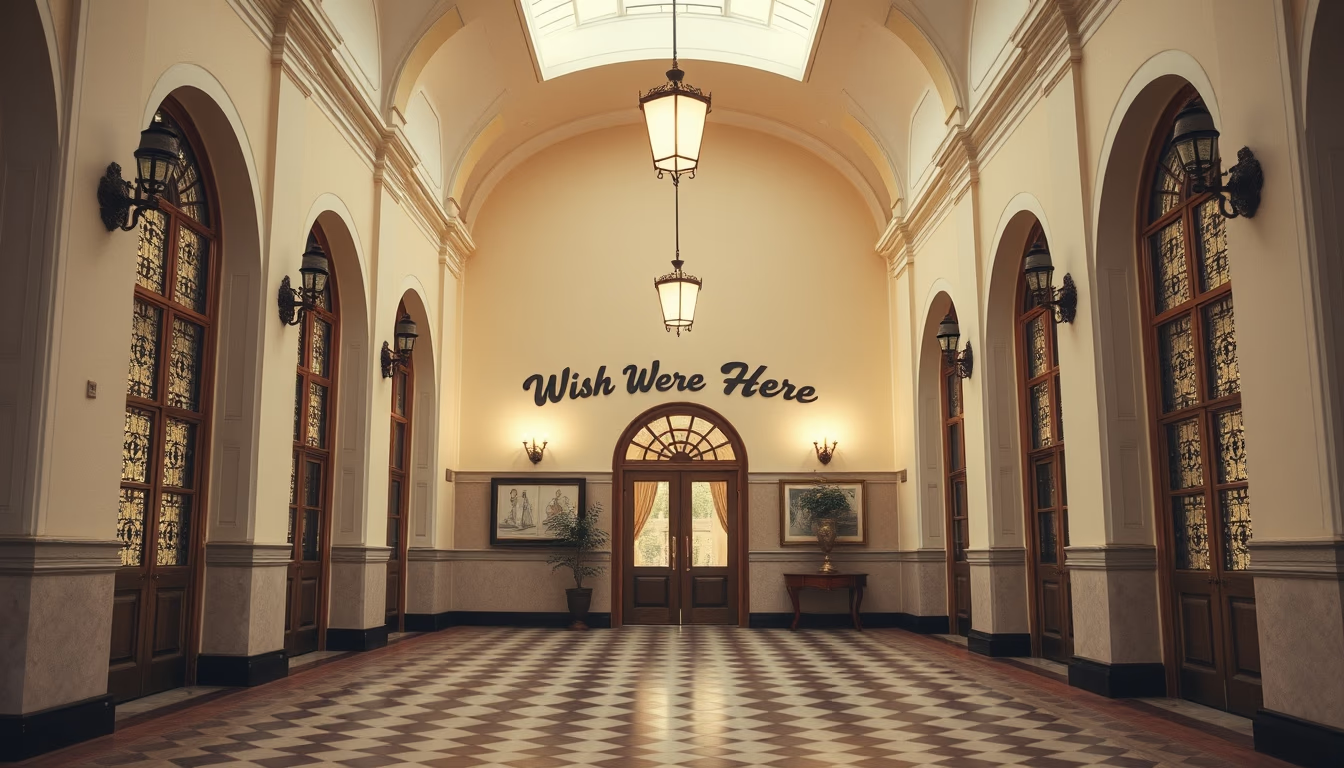
Vintage architectural photography with the phrase 'Wish you were here' evokes nostalgia and 20th-century tourism, featuring historic buildings and classic postcards.
About this subject
The phrase 'Wish you were here' gained popularity on postcards in the early 20th century, especially in tourist destinations across Europe and North America. Combined with vintage architectural photography, it evokes an era when travel was a luxury and printed images served as tangible memories. Landmarks like the Eiffel Tower in Paris, the Colosseum in Rome, or the Empire State Building in New York were often depicted with this inscription, frequently in sepia or black and white, giving a timeless feel.
Printing techniques such as albumen paper or wet collodion, common between 1850 and 1880, gave way to more accessible processes like the sepia-toned postcard in the interwar period. These objects not only documented monumental architecture but also carried handwritten personal messages, creating an emotional bond between sender and recipient. In Brazil, vintage postcards of Rio de Janeiro with Sugarloaf Mountain or Christ the Redeemer adopted the same formula, adapted to Portuguese as 'Queria que você estivesse aqui'.
Interest in this type of photography has grown with the curation of historical archives and the digitization of private collections. Museums such as the Image and Sound Museum of São Paulo and online repositories like Flickr Commons make thousands of images available, showing urban evolution and the aesthetic tastes of each era. The phrase 'Wish you were here' also inspired songs, such as the classic by Pink Floyd, creating an intertextual link between visual imagery and pop culture.
Today, the vintage aesthetic is revived in contemporary photographs using filters and textures to mimic paper aging. However, true vintage architectural images carry irreplaceable documentary value, recording buildings that have often been modified or demolished. This visual nostalgia invites reflection on the passage of time and the preservation of historical heritage.
Frequently Asked Questions
What is the origin of the phrase 'Wish you were here' on postcards?
The phrase emerged in the early 20th century as postcards became a popular quick and affectionate communication tool between travelers and loved ones, expressing the desire to share the travel experience.
How can you identify an authentic vintage architectural photograph?
Characteristics include aged paper, sepia or black-and-white tones, worn edges, and handwritten notes. Processes like albumen or wet collodion were used before 1900. The presence of postage stamps or mailing marks also indicates authenticity.
Which famous buildings frequently appear in vintage postcards?
Eiffel Tower (Paris), Colosseum (Rome), Empire State Building (New York), Big Ben (London), Christ the Redeemer (Rio de Janeiro), and Taj Mahal (India) are among the most common. These architectural icons symbolized the cosmopolitanism of the era.
Direct URL
https://pub-c7d6a6ea828543ac903a74a341ccb2e1.r2.dev/imagens/wish-you-were-here-vintage-architectural-photography-fresh9.avifHow to credit
Include a visible link back to UtilizAí. Copy one of the snippets below:
<a href="https://xn--utiliza-eza.com/en/midia/imagens/wish-you-were-here-vintage-architectural-photography-fresh9">Wish you were here vintage</a> by <a href="https://xn--utiliza-eza.com">UtilizAí</a>, licensed under <a href="https://creativecommons.org/licenses/by/4.0/">CC BY 4.0</a>.
[Wish you were here vintage](https://xn--utiliza-eza.com/en/midia/imagens/wish-you-were-here-vintage-architectural-photography-fresh9) by [UtilizAí](https://xn--utiliza-eza.com), CC BY 4.0
License: CC-BY-4.0