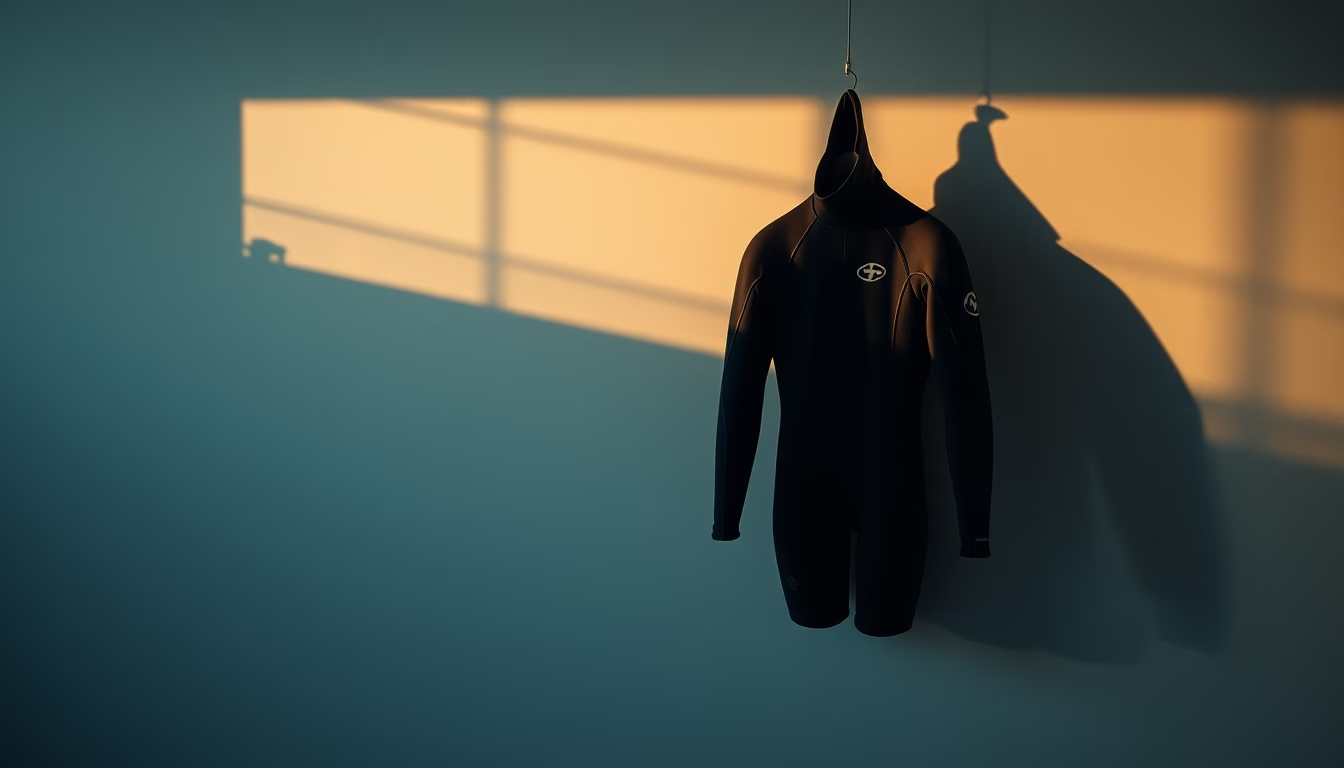
Wetsuit hanging black
1344×768 · AVIF · CC BY 4.0
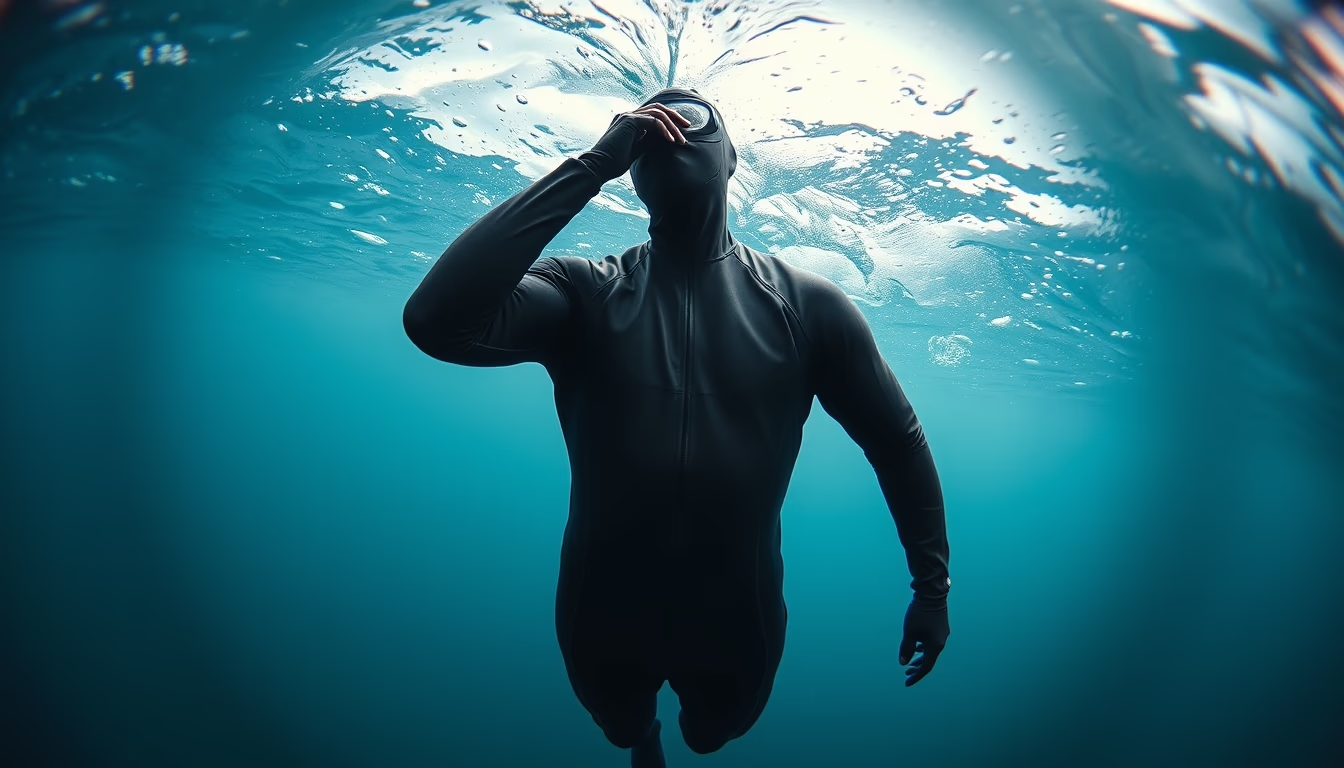
The hanging black wetsuit is essential diving gear made of neoprene, insulating the body in cold waters and protecting against scrapes.
About this subject
The wetsuit, also known as a diving suit, is a thermal garment made predominantly of neoprene, a synthetic rubber derived from petroleum that contains millions of gas bubbles in its structure. These bubbles act as thermal insulation, reducing body heat loss during immersion in cold water. The insulation effectiveness depends on neoprene thickness, which ranges from 2 mm to 7 mm, with thicker models recommended for freezing waters, such as those in the South Atlantic during the Brazilian winter.
In recreational diving, the black wetsuit is the most common due to its versatility and durability. Black absorbs more solar radiation, helping to warm the diver while on the surface. Besides thermal regulation, the wetsuit offers protection against contact with corals, rocks, and marine life, such as jellyfish. The design includes waterproof zippers, usually at the back or chest, and reinforced knees and elbows for greater wear resistance.
Historically, the modern wetsuit was developed by physicist Hugh Bradner in the 1950s at the University of California. Initially created for U.S. Navy divers, it quickly gained popularity among surfers and sport divers. In Brazil, wetsuit use intensified with the growth of diving in regions like Ilhabela and Fernando de Noronha, where water temperatures can drop to 20°C.
A technical curiosity is that the wetsuit is not waterproof; a thin layer of water enters between the skin and neoprene and is heated by the body, forming a thermal barrier. Therefore, the fit must be snug to minimize cold water circulation. Equipment care includes rinsing with fresh water after use and drying in the shade, as neoprene degrades with prolonged exposure to sunlight and chemicals.
Frequently Asked Questions
What is the difference between a wetsuit and a drysuit?
A wetsuit allows a thin layer of water to enter, which is heated by the body and acts as thermal insulation. A drysuit is completely waterproof, keeping the diver dry with thermal clothing underneath, ideal for very cold water (below 10°C).
How to choose the ideal wetsuit thickness?
Thickness depends on water temperature. In tropical waters (above 25°C), use 2-3 mm. For temperate waters (15-25°C), 5 mm is recommended. In cold water (below 15°C), 7 mm or a drysuit is necessary.
Is a wetsuit necessary for diving in warm waters?
Yes, even in warm waters, a wetsuit provides protection against scrapes, jellyfish stings, and sun exposure. Additionally, the body loses heat quickly in water, which can cause hypothermia even at mild temperatures.
Direct URL
https://pub-c7d6a6ea828543ac903a74a341ccb2e1.r2.dev/imagens/wetsuit-hanging-black-fish-eye-wide-angle-fresh16.avifHow to credit
Include a visible link back to UtilizAí. Copy one of the snippets below:
<a href="https://xn--utiliza-eza.com/en/midia/imagens/wetsuit-hanging-black-fish-eye-wide-angle-fresh16">Wetsuit hanging black</a> by <a href="https://xn--utiliza-eza.com">UtilizAí</a>, licensed under <a href="https://creativecommons.org/licenses/by/4.0/">CC BY 4.0</a>.
[Wetsuit hanging black](https://xn--utiliza-eza.com/en/midia/imagens/wetsuit-hanging-black-fish-eye-wide-angle-fresh16) by [UtilizAí](https://xn--utiliza-eza.com), CC BY 4.0
License: CC-BY-4.0