Wetsuit hanging black
1344×768 · AVIF · CC BY 4.0
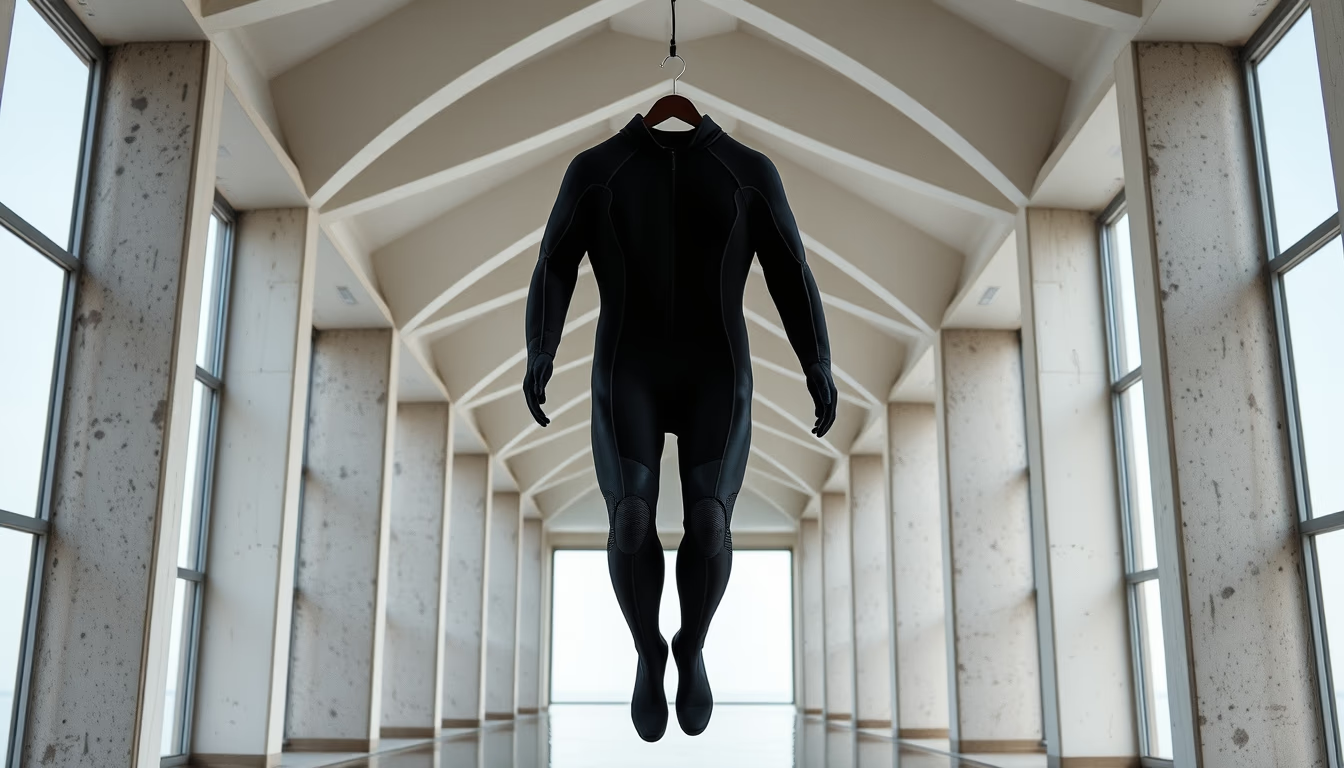
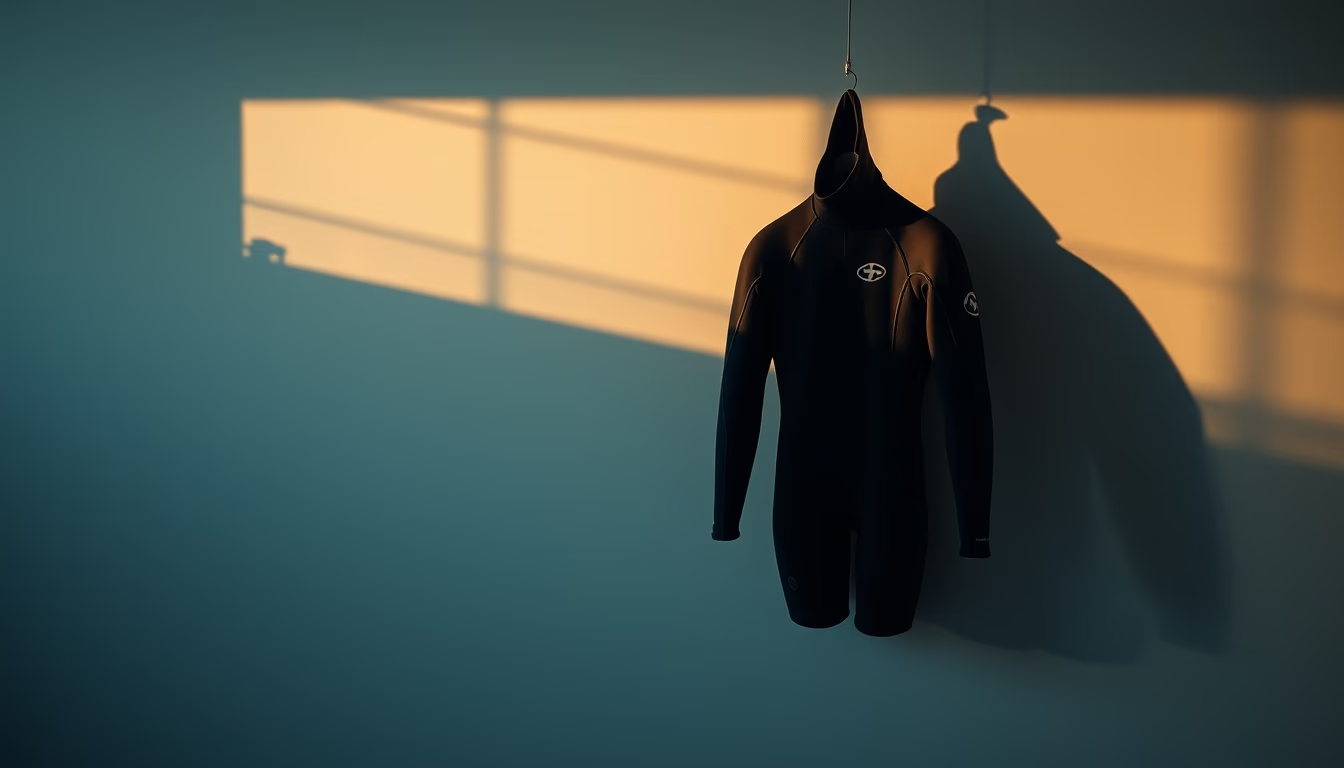
A black wetsuit hanging in an architectural setting, emphasizing its functional design and the connection between diving gear and environment.
About this subject
The wetsuit, also known as a diving suit or neoprene suit, is an essential piece of equipment for diving and water sports. Its primary function is to insulate the diver's body from cold water by trapping a thin layer of water between the skin and the fabric, which is then warmed by body heat. This allows divers to stay in cold waters for extended periods without hypothermia. The black model is one of the most common, as black pigment helps absorb solar heat and provides underwater discretion.
Wetsuits are primarily made of neoprene, a type of synthetic foam rubber containing millions of tiny gas bubbles that provide thermal insulation and buoyancy. Thickness varies based on water temperature: thin wetsuits (0.5 to 2 mm) for tropical waters, thicker ones (5 to 7 mm) for cold waters. Design features include zippers, knee and elbow reinforcements, and sealed seams to prevent water entry.
Historically, the modern wetsuit was invented by physicist Hugh Bradner in 1952 at the University of California, Berkeley. Bradner realized that neoprene used in surf wear could be adapted for diving. Before that, divers used bulky drysuits. The wetsuit revolutionized recreational and competitive diving, offering greater mobility and comfort.
For care, a wetsuit should be rinsed with fresh water after use, dried in the shade, and stored hanging on wide hangers to avoid deformation. A black wetsuit hanging in an architectural setting may symbolize readiness for the next underwater adventure, blending functionality with minimalist aesthetics.
Frequently Asked Questions
What is the difference between a wetsuit and a drysuit?
A wetsuit allows a thin layer of water to enter, which is warmed by body heat, while a drysuit is completely sealed and keeps the diver dry. Wetsuits are used in temperate and warm waters; drysuits in very cold waters.
How do I choose the right wetsuit thickness?
Thickness depends on water temperature: above 25°C, use 0.5-2 mm; 18-25°C, 3-4 mm; below 18°C, 5-7 mm. Check manufacturer charts and consider your personal cold tolerance.
Why are wetsuits usually black?
Black absorbs solar heat better, helping keep the body warm. It also offers underwater discretion and does not fade with exposure to chlorine or salt.
Direct URL
https://pub-c7d6a6ea828543ac903a74a341ccb2e1.r2.dev/imagens/wetsuit-hanging-black-architectural-photography-fresh10.avifHow to credit
Include a visible link back to UtilizAí. Copy one of the snippets below:
<a href="https://xn--utiliza-eza.com/en/midia/imagens/wetsuit-hanging-black-architectural-photography-fresh10">Wetsuit hanging black</a> by <a href="https://xn--utiliza-eza.com">UtilizAí</a>, licensed under <a href="https://creativecommons.org/licenses/by/4.0/">CC BY 4.0</a>.
[Wetsuit hanging black](https://xn--utiliza-eza.com/en/midia/imagens/wetsuit-hanging-black-architectural-photography-fresh10) by [UtilizAí](https://xn--utiliza-eza.com), CC BY 4.0
License: CC-BY-4.0